
Reviewed · VIENNA MUSEUM TICKETS
Sigmund Freud Museum Ticket
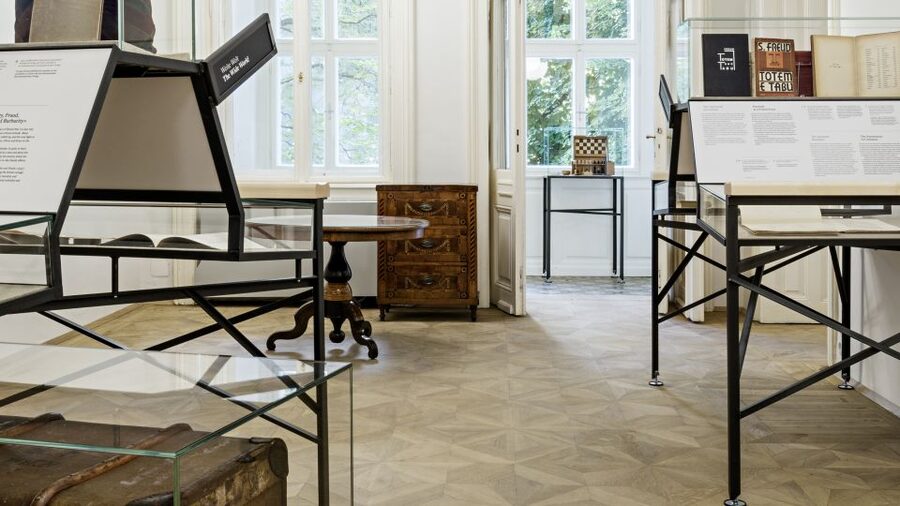
Freud’s former home is more than a display of theories: it puts you inside the rooms where he lived and worked, then traces the family’s forced departure from Vienna and the fate of those left behind. I like the recordings of Sigmund and Anna Freud, which make the past feel personal, and the phone-based augmented reality couch, which helps explain why the room looks different from the famous photographs.
One consideration: Freud’s original furniture, including the couch, is not here, and some rooms can feel spare. There is still plenty to read and watch, so allow time rather than treating this as a quick stop.
What makes Berggasse 19 worth your time
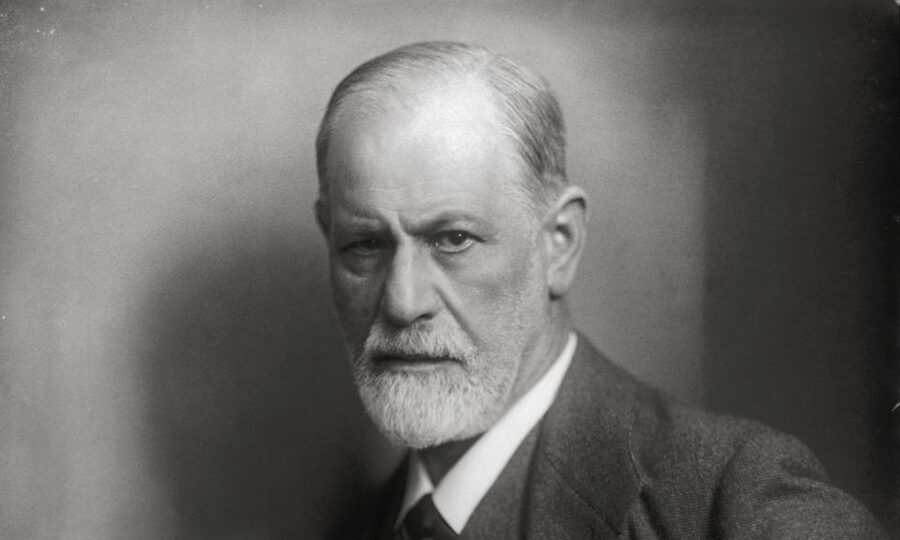
- Freud’s home and practice: Enter through the same doorway used by Freud and his patients, then walk through the family’s former rooms.
- A voice from the past: Hear recordings of Sigmund and Anna Freud, and see unusual family film footage from the 1930s.
- The missing couch, explained: Use your phone to activate the augmented reality installation where the famous couch once stood.
- Ideas with their original context: See rare editions, offprints, presentation copies, and exhibits on Freud’s work and life.
- A sobering account of Nazi persecution: Follow the story of the house’s Jewish residents, Freud’s escape to London, and the murder of his four sisters.
- A visit that rewards reading: Plan on about 1.5 hours for a full look around, though you could spend longer with the exhibits.
At Freud’s Vienna address, the story is personal
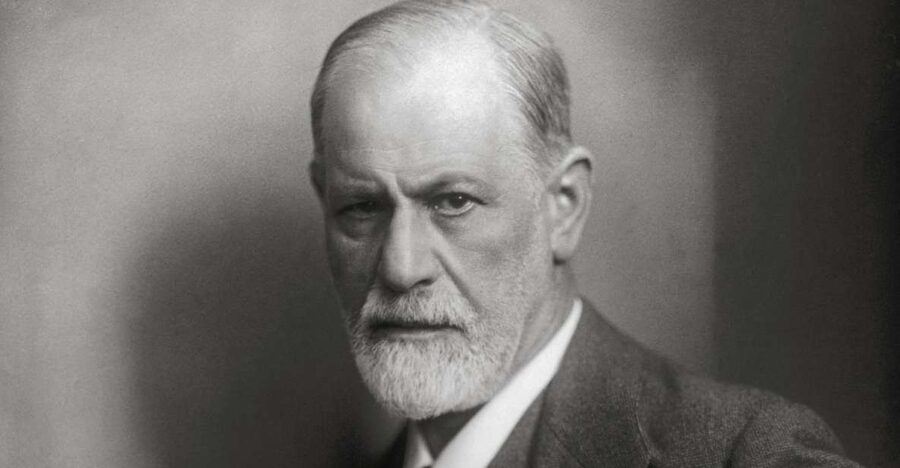
Berggasse 19 is one of Vienna’s best-known addresses for a reason. Freud lived and worked here for decades, and the museum takes you into the same building where he developed psychoanalysis and saw patients. This is not a reconstruction of a lavish old apartment. It is a thoughtful visit to rooms shaped by the family’s daily life, Freud’s work, and the upheaval that drove them out of Austria in 1938.
I would not come expecting a preserved study filled with original furnishings. Much of the family’s belongings left with them, and the famous couch is elsewhere. Instead, the museum gives you documents, photographs, film, sound, and the rooms themselves. That difference matters: the place is compelling not because every object remains in place, but because the exhibits explain what happened here and why.
The ticket costs about $18 per person. For that price, you get access to several floors of exhibitions, personal and professional material, and the history of the house. If you are interested in psychology, European history, or Freud as a person, it offers a solid amount to engage with. If you mainly want to see the original couch or a fully furnished period interior, you may find the visit less satisfying.
More museum visits in Vienna:
- Vienna: Skip-the-Line Sisi Museum, Hofburg and Gardens Tour
★ 4.8 · 5,918 reviews - Vienna Kunsthistorisches Museum Day Admission Ticket
★ 4.6 · 3,690 reviews - Tickets for the Albertina Exhibitions
★ 4.7 · 2,126 reviews
Enter through the door Freud and his patients used
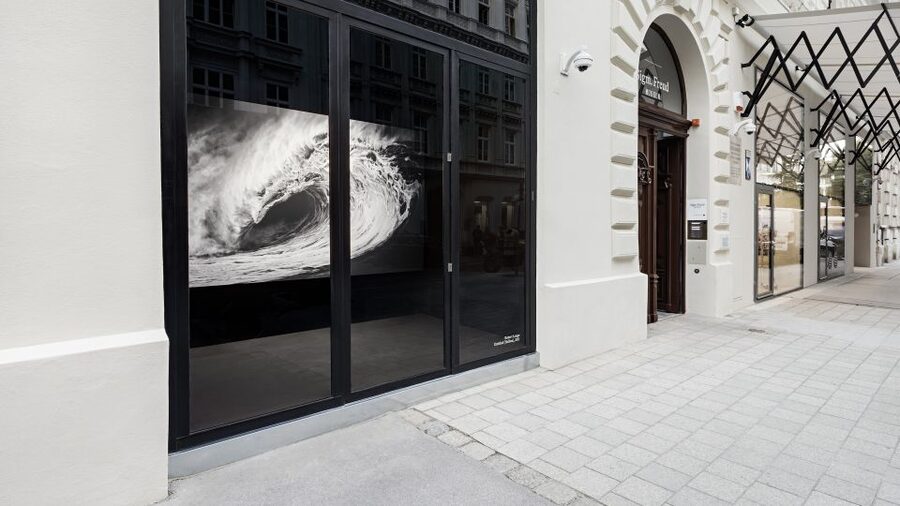
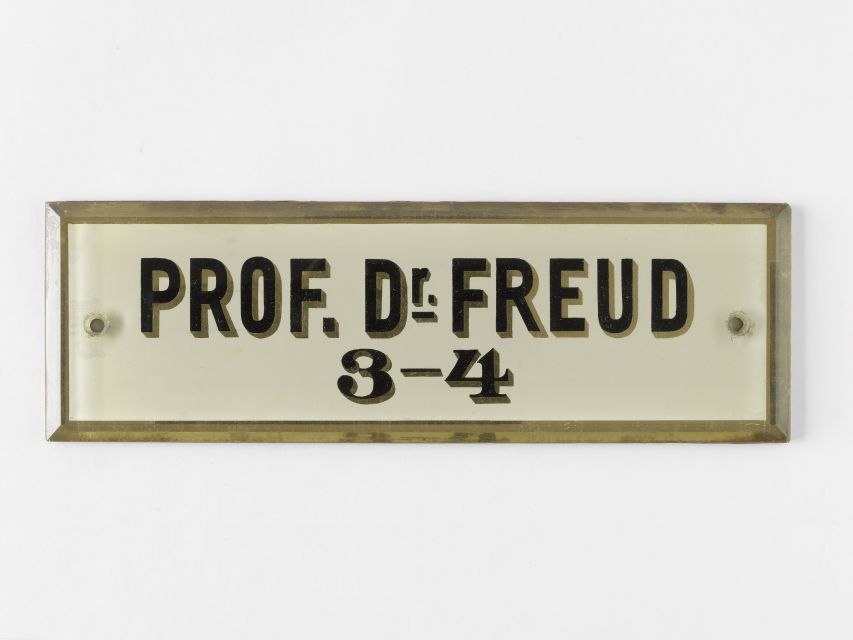
Start at the main entrance and present your ticket voucher there. You enter through the same doorway Freud and his patients once used, then take the historic steps up to the mezzanine where the Freud family lived. It is a small but meaningful detail: the visit begins in the actual building rather than with a replica or a gallery introduction.
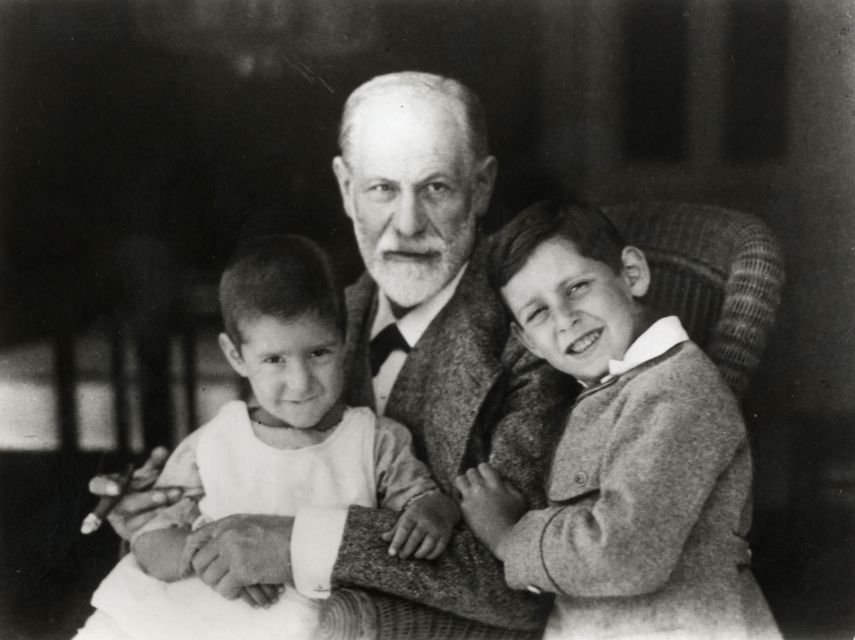
The rooms help you picture the domestic setting behind a name often reduced to a handful of famous ideas. Exhibits cover Freud’s family life alongside his professional work, giving the house a human scale. You can learn about the people who lived here, not just the theories that made Freud famous.
The rooms are not arranged as a furnished period home, and that can leave some spaces feeling bare. Look for the information and images that fill in what is no longer there. The museum’s approach is less about pretending the apartment has been frozen in time and more about explaining its layers of history.
Follow the development of psychoanalysis
The museum sets Freud’s work within the intellectual world of turn-of-the-century Vienna. Exhibits trace his professional life and the evolution of psychoanalysis, with summaries of key stages in its development. Rare first editions, special printings, offprints, and presentation copies offer a close look at how his ideas took shape and circulated.
For a psychology student or mental health professional, those details can make the museum feel almost like a pilgrimage. But you do not need specialist training to follow the story. The exhibits connect the work to Freud’s family and biography, so a general interest in people and history is enough to make the visit worthwhile.
Expect to read. The written material is a major part of the experience, and English translations are available for much of the information. That makes the museum accessible to international visitors, but it also means the visit takes longer if you want more than a quick scan. One practical tip: the exhibition does not always guide you through Freud’s life in strict chronological order, so take a moment to orient yourself and read the room text before moving on.
Hear Freud, Anna, and a family on film
Audio recordings bring a striking change of pace. Hearing Sigmund Freud’s actual voice can make the historical figure feel less distant, while recordings of his daughter Anna add another family perspective. These are brief but memorable pieces of a visit built largely around reading and looking.
The 1930s family films offer a different kind of evidence. They show a private side of the Freuds that written accounts cannot quite convey. If you are drawn to biography, these moving images help shift attention from Freud the theorist to Freud the father and family member.
Do not rush past the screens and audio stations. They give the museum some of its most intimate moments, and they can be a welcome pause after reading displays. At times, an audio exhibit may be out of order, so it is wise not to make a single recording the whole reason for your visit.
More tickets and passes in Vienna:
- Vienna: Classic Ensemble Vienna in St. Peter’s Church Ticket
★ 4.7 · 4,819 reviews - Vienna: Tickets for Mozarthaus Vienna with Audio Guide
★ 4.2 · 2,344 reviews - Vienna: Skip-the-Line Entrance Ticket to the Danube Tower
★ 4.5 · 2,303 reviews - Vienna: St. Stephen’s Cathedral & Dom Museum Wien Tickets
★ 4.5 · 1,652 reviews
Find the couch without expecting the original
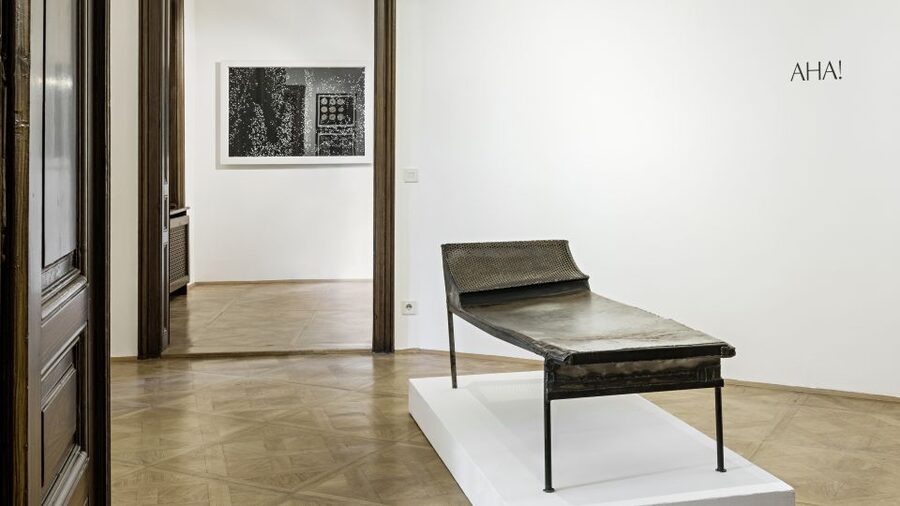
Freud’s famous couch is not displayed at Berggasse 19. The museum addresses that absence with a phone-based augmented reality installation called Freud’s Couch. Activate it in the place where the couch once stood, and the digital presentation helps you understand its former position and learn about where it went.
This is a clever way to connect the room you are standing in with the image most people carry in their heads. It does not replace seeing the original object, and you should not mistake the AR installation for a physical reconstruction. But it gives the missing furniture a clear explanation rather than leaving you to wonder why the best-known feature of Freud’s practice is absent.
The experience requires your phone. If this feature matters to you, make sure your device is available and ready to use. The museum’s other rooms and exhibits remain the main event, so the visit still has substance if you prefer not to use the digital element.
Take the staircase through the house’s darker history
A newly built staircase connects the museum’s floors and tells the story of the building and its occupants. This part of the visit changes the mood. The exhibits cover the period after Freud’s expulsion and the Nazi violence that followed, including the persecution of Jewish residents at Berggasse 19.
The history is not confined to Freud’s own escape. A separate section in the foyer gallery follows his flight to London with close family, and also tells the fate of his brother Alexander and his sisters Rosa, Marie, Pauline, and Adolfine. Freud and his immediate family reached safety, but his four sisters were murdered in Nazi extermination camps.
This section is among the museum’s most important. It makes clear that Berggasse 19 is not only a site associated with a famous thinker. It is also a place marked by persecution, forced exile, and loss. Give yourself a moment here; the story deserves more than a passing glance.
Step into Freud’s former office and see contemporary art
Freud’s former office houses the permanent exhibition Hidden Thoughts of a Visual Nature. It presents selected works from the museum’s collection of conceptual art, including pieces by John Baldessari, Joseph Kosuth, Susan Hiller, Franz West, and Haim Steinbach.
This turn toward contemporary art may surprise you after the biographical displays. It brings another way of thinking about interpretation, images, and meaning into Freud’s own former workspace. If you come mainly for the history of psychoanalysis, you may spend less time here. If you enjoy modern art, it adds a useful counterpoint and broadens the visit beyond biography.
The museum’s layout allows you to explore at your own pace, and you can move through the exhibits in different orders. That flexibility is welcome, though it may also make the story feel less chronological. If you want a clear narrative, pay attention to the captions and the staircase’s account of the house’s history as you go.
Allow time for reading, and check the room temperature
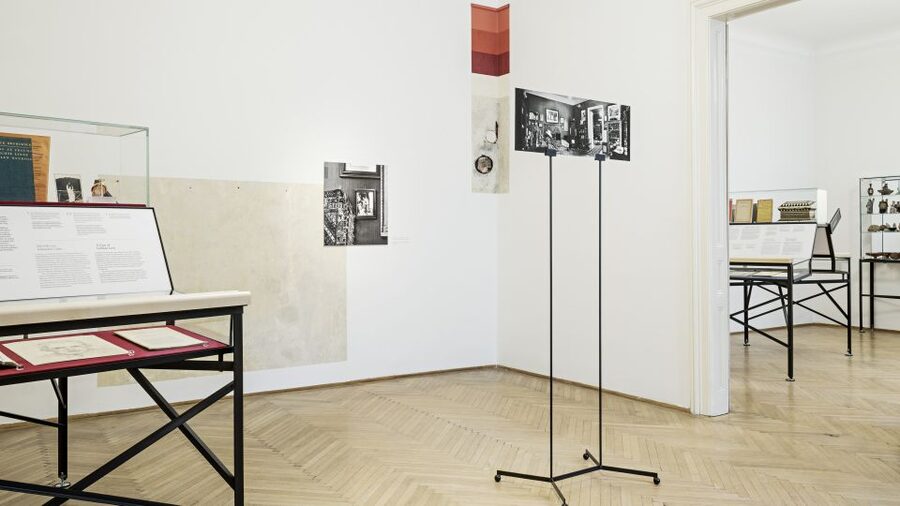
Most people should set aside around 1.5 hours for a full visit. A quicker look may take about an hour, while close reading, watching the films, and spending time with the personal material can stretch the visit to two or three hours. The ticket is valid for one day, so you do not need to treat it as a timed tour with a fixed sequence.
The exhibits can draw a crowd, and a busy room is harder to enjoy when you want to read closely or listen. An earlier visit may give you more breathing room, though opening hours can change, so check them before setting out. The rooms have felt hot during warm weather, too. Dress for the day, especially if Vienna is in the middle of a heatwave.
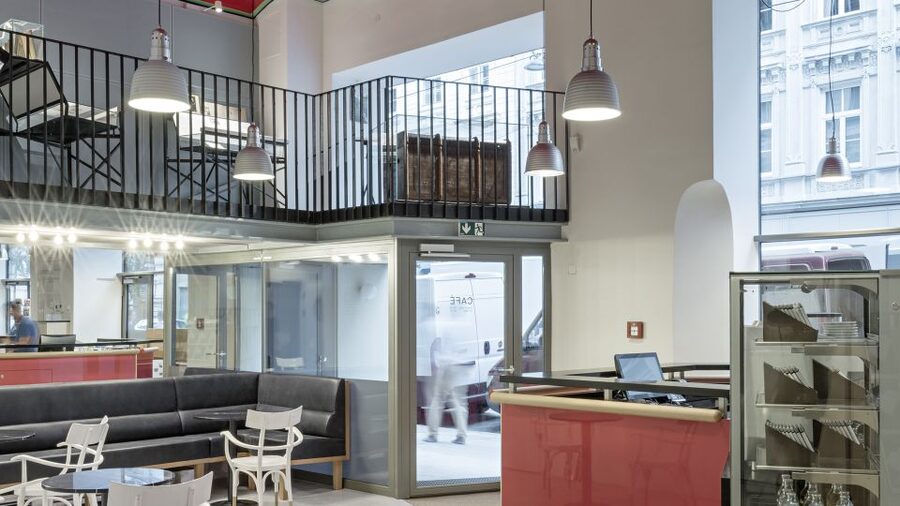
The museum is wheelchair accessible, and the ticket includes skip-the-ticket-line entry. Flash photography is not allowed. There is also a shop and café at the end, with books and gifts, Viennese coffee and cake, and Viennese wine. If you are carrying bags, lockers are available, and there is a restroom on site.
Is the $18 ticket good value?
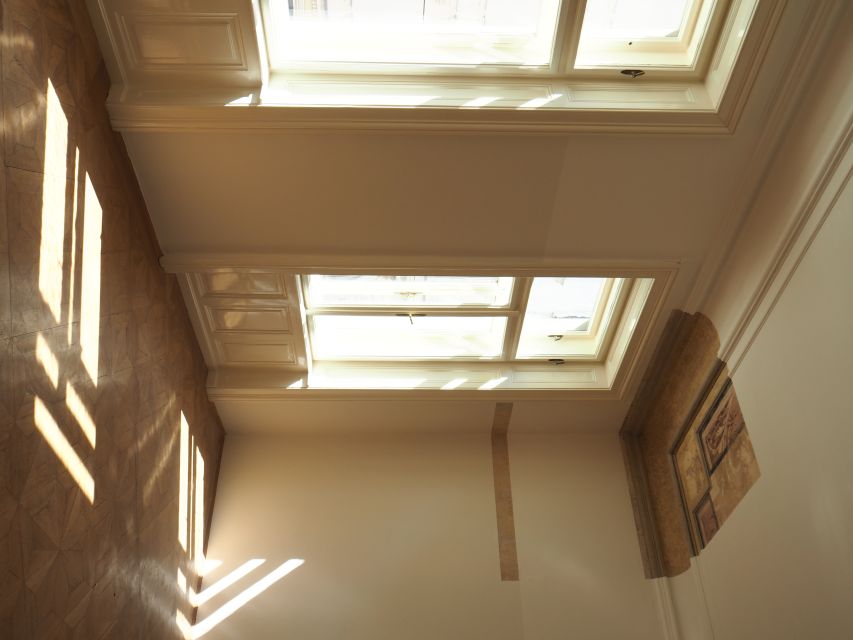
At $18, the ticket is a fair buy if you plan to read the displays and explore the whole museum. You are paying for more than entry to Freud’s former rooms: the collection connects his work to family life, rare publications, audio, film, contemporary art, and the persecution that shaped the building’s later history.
The value depends on what you expect. A quick pass through the rooms will make the price feel higher. Give the exhibits time, and the range of material makes the ticket easier to justify. The café and shop provide a pleasant end to the visit, but you do not need to spend extra there to get the substance of the museum.
You can reserve now and pay later, and cancel up to 24 hours in advance for a full refund. Those options are useful if your Vienna plans are still taking shape, but the main decision is whether the subject interests you enough to spend an hour or more reading and reflecting.
Who should book a visit to Berggasse 19?
I would put this museum high on the list for anyone interested in psychology, psychoanalysis, Freud’s life, or the history of Jewish Vienna. It also suits visitors who like museums that connect an individual’s story to a wider historical event. The personal recordings and family films make it appealing even if your interest in Freud’s theories is only casual.
Families can make the visit work, too. A puzzle-sticker activity in the rooms gives younger children something to seek out, though the amount of reading may not hold every child’s attention. If you are visiting with children, think of it as a quieter, text-heavy museum rather than an interactive attraction from start to finish.
Book it if you want to understand Freud as a person and see the home where his work took shape. Skip it if you are only looking for the original couch or a richly furnished apartment. For most curious visitors, the strongest reason to go is the combination of intimate family history and a clear account of what happened to this house after Freud fled.
FAQ
How long should I plan for the Sigmund Freud Museum?
Plan on about 1.5 hours for a full visit. You can spend about an hour if you move quickly, or longer if you read the displays and watch the films.
What does the ticket include?
The ticket includes admission to the Sigmund Freud Museum. Exhibits include Freud’s former home and office, family and professional material, recordings, films, and the permanent art exhibition.
Can I see Freud’s original couch?
No. Freud’s couch is not at the museum. You can use your phone to view an augmented reality installation in the place where the couch once stood and learn about its whereabouts.
Can I hear recordings of Sigmund Freud?
Yes. The museum includes recordings of Sigmund and Anna Freud, along with unique family film footage from the 1930s.
Is the museum wheelchair accessible?
Yes, the activity information identifies the museum as wheelchair accessible.
Can I take photographs inside?
Flash photography is not allowed. The information provided does not specify other photography rules.
Can I cancel my ticket?
Yes. You can cancel up to 24 hours in advance for a full refund. You can also reserve now and pay later.
Newest tours in Vienna
- Vienna: ‘Armenia In The Heart Of Austria’ Tour★ 5.0 · 6 reviews
- Vienna: Mozart Private Guided Tour★ 5.0 · 4 reviews
- Vienna: Klimt Villa (Gustav Klimt Atelier & Museum) Ticket★ 4.7 · 50 reviews
- Vienna: Kunsthistorisches Museum Guided Tour incl. admission★ 4.9 · 32 reviews
- Vienna: Luxury Vintage Fashion Walking Tour★ 3.4 · 8 reviews
- Vienna: Johann Strauss – Immersive Audiovisual Experience Ticket★ 4.8 · 60 reviews
- Vienna: Kingdom of Railways Museum Entry Ticket★ 3.6 · 50 reviews
- Vienna: KuK Perfumery Filz – Viennese Perfume Tasting★ 4.3 · 23 reviews
Vienna Museum Tickets, compared.

Skip-the-Line Sisi Museum, Hofburg and Gardens Tour
Read our review →
Vienna Kunsthistorisches Museum Day Admission Ticket
Read our review →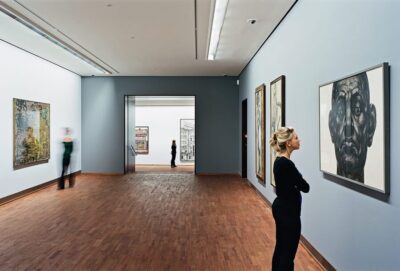

Chocolate Workshop in Chocolate Museum w/ Tasting
Read our review →
St. Stephen’s Cathedral & Dom Museum Wien Tickets
Read our review →

Browse the lists this tour appears in