Reviewed · VIENNA TOURS
Vienna: ‘Armenia In The Heart Of Austria’ Tour
Vienna’s Armenian monastery is a small world of its own: a working religious community, a church filled with art, and a library holding more than 2,800 Armenian manuscripts. This two-hour visit brings those threads together with a learned monk as your guide. I like that the tour connects Armenian culture to Vienna’s history, rather than treating the monastery as a stand-alone collection.
Two details make the visit especially appealing: the chance to see the church’s striking altar works and the chance to explore a library with more than 170,000 Armenian publications. The closing taste of Mechitharine liqueur adds a lively, local finish. One consideration: two hours is a short time for so much to see, so expect an overview rather than an unhurried study of every object.
The highlights at a glance
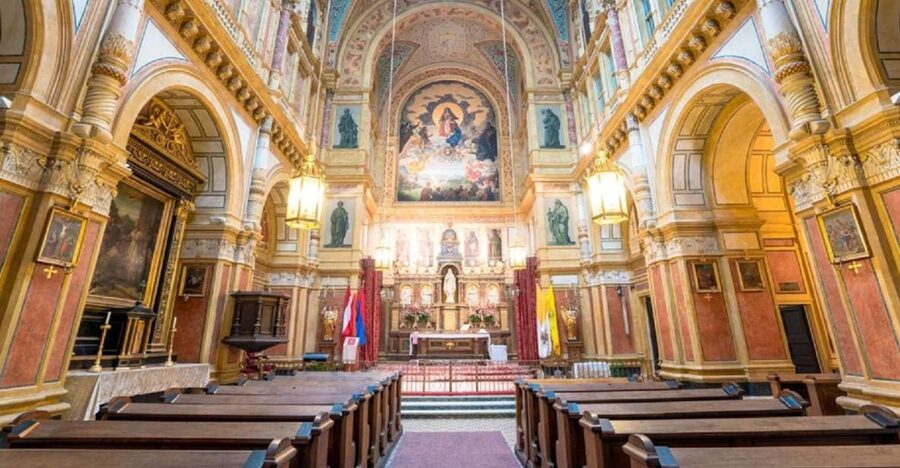
- Maria Schutz Church: See the church built in 1874, including an altar painting of St Mary protecting Armenia.
- A meeting of two artists: Look for an altar dedicated to St Gregory the Illuminator, designed by Theophil von Hansen, architect of Vienna’s Austrian Houses of Parliament.
- The Loretto Chapel: View a baroque image of Mary with the Rose, said to have been rescued intact during the 1683 Turkish siege of Vienna.
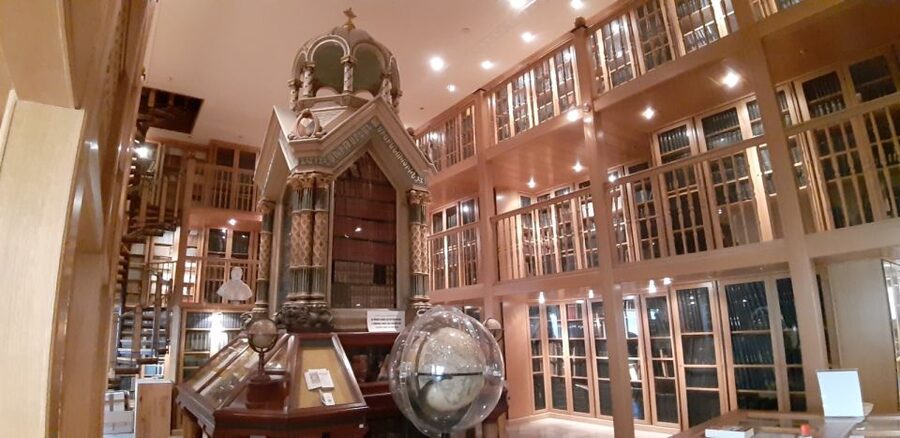
- A remarkable Armenian library: The collection includes more than 2,800 manuscripts and over 170,000 publications.
- Art and objects from Armenia: The museum displays coins, ceramics, carpets, and paintings, including three works by Aivazovsky.
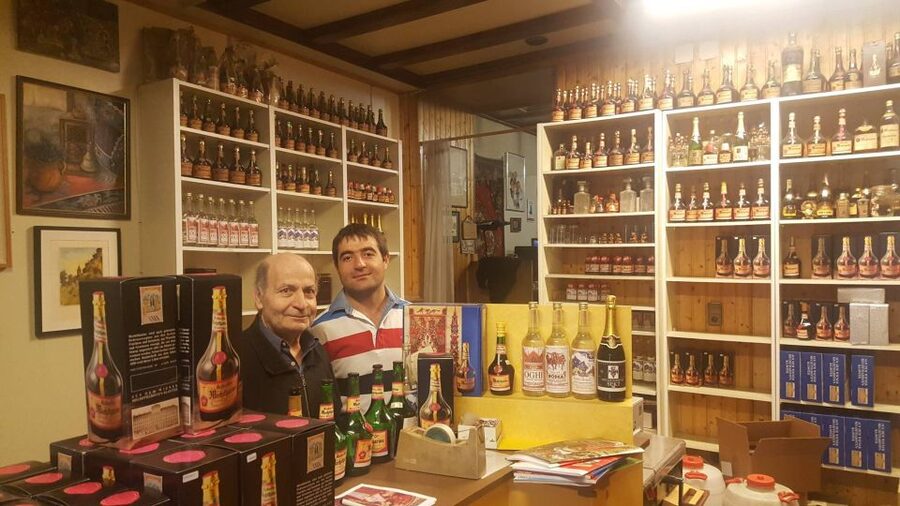
- A taste of monastery tradition: Finish with Mechitharine liqueur and an introduction to its history and production.
A small Armenia in central Vienna
Vienna is famous for imperial palaces, grand avenues, and classical music. The Mekhitarist Monastery offers a different angle on the city: a place where Armenian religious and cultural life has taken root in Austria. The tour’s title calls it Small Armenia, and that phrase makes sense once you move from the church into the monastery’s collections.
You begin with the history of the Mekhitarist Congregation in Vienna. That introduction matters. Without it, the paintings, chapel, manuscripts, and objects could feel like a string of unrelated sights. With a monk explaining the community’s past, you can see how its religious life and cultural work fit together.
The small-group format is well suited to this visit. With no more than 10 participants, you have a better chance to hear the guide and ask questions than you would in a large group. A past guide, Father Vahan, was singled out for his warm welcome and thoughtful answers. He is not guaranteed to lead every tour, but the format puts the focus on a personal explanation rather than a scripted walk-through.
The tour is offered in Armenian, English, and German. Choose the language that will let you follow the historical details and ask the questions you care about. If you are visiting with someone who has an Armenian background, the setting may also feel personal. One German-Armenian couple described the welcome as especially moving, while another visitor stressed that the tour is worthwhile even if you are not Armenian.
Other tours people book in Vienna:
- Vienna: Vivaldi’s Four Seasons Concert in Karlskirche
★ 4.7 · 14,951 reviews - Vienna: Spanish Riding School Training
★ 3.9 · 9,281 reviews - Vienna: Skip-the-cashier-desk-line Giant Ferris Wheel Ride
★ 4.5 · 7,859 reviews
Maria Schutz Church: art with a story
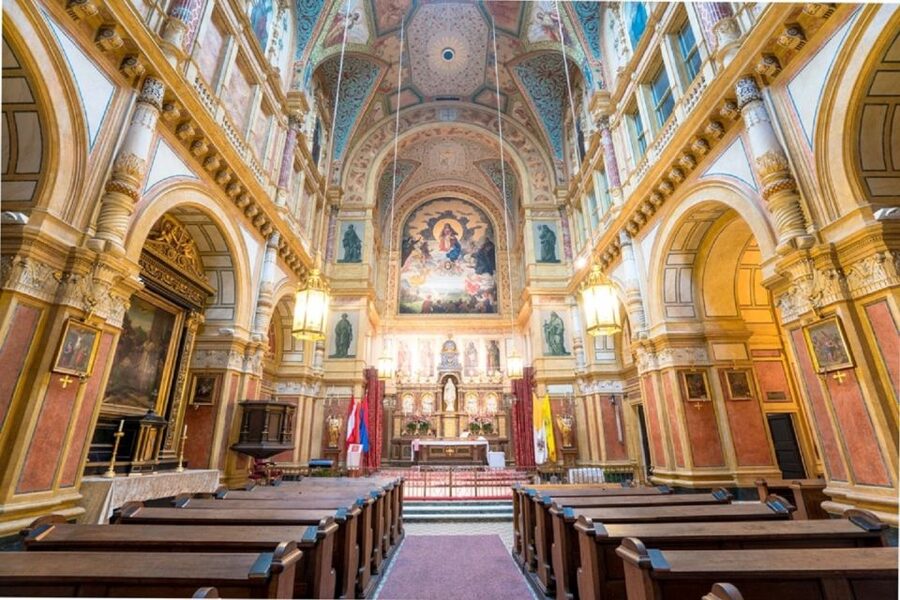
The church is one of the tour’s first major stops. Maria Schutz was built in 1874, replacing an older Capuchin church. The guide introduces the building’s history before taking you inside, where the religious art gives you a more immediate sense of the monastery’s character.
Pay particular attention to the altar painting by Camillo Sitte. It depicts St Mary protecting Armenia, a subject that makes the church’s Armenian identity plain. This is more than decoration: the image brings together devotion and national history in a way that helps explain why the monastery has mattered to its community.
Another notable work is the altar dedicated to St Gregory the Illuminator, designed by Theophil von Hansen. Hansen is best known in Vienna as the architect of the Austrian Houses of Parliament. Seeing his work in a church setting gives you an unexpected link between the city’s public architecture and this Armenian religious community.
That variety is part of the appeal. The church is not presented only as a pretty interior; the guide points out objects with links to particular people, histories, and traditions. If religious art is not usually your main interest, look for those connections. They give the visit a wider frame and help make the details easier to remember.
The Loretto Chapel and a rescued image
From the main church, the tour continues into the Loretto Chapel. Here you will see the baroque image known as Mary with the Rose. The image was reportedly rescued intact from the dangers of the Turkish siege of Vienna in 1683.
That story gives the chapel a direct connection to one of the city’s defining events. It is also a useful reminder that objects in a monastery can carry histories beyond their artistic style. Ask the guide about the image and its survival if you want to understand why it is treasured here.
The chapel is a quieter counterpoint to the church interior. It is a relatively short stop within a two-hour itinerary, so you may not have a long time to linger. Still, the image’s history is memorable, and the guide’s context can turn a brief look into a meaningful one.
The refectory’s monumental painting
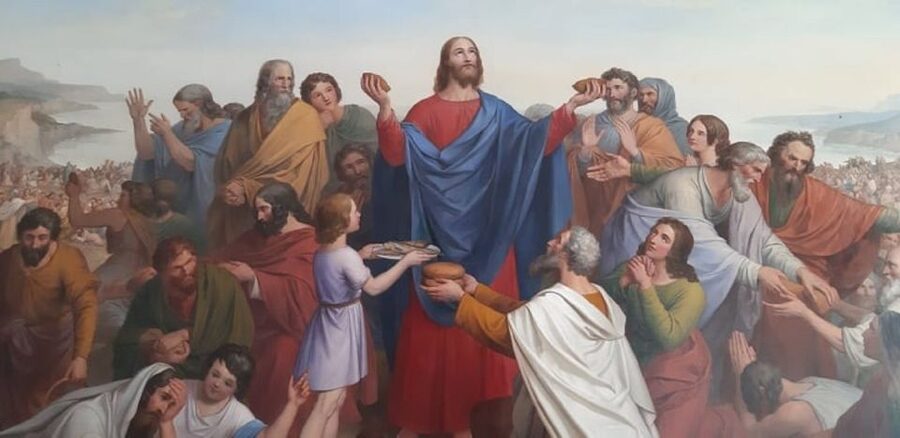
The route passes through the refectory, where the main work to look for is The Feeding of the Five Thousand by Ludwig Ferdinand Schnorr von Carolsfeld. Its monumental scale makes it the room’s focal point.
The refectory is a practical part of monastery life, but the painting also gives you a chance to see how art sits within a communal setting. Rather than encountering every work in a formal gallery, you move through rooms that have distinct purposes. That change of setting helps the monastery feel like a lived place, not simply a museum.
The tour does not promise a long pause at each stop. If this painting interests you, take a moment to notice its scale and subject before the group moves on. The guide can add context, but the short format means you may need to focus on the works that speak to you most.
Same city, a different kind of day:
- Vienna: Schönbrunn Palace & Gardens Skip-the-Line Tour
★ 4.7 · 7,739 reviews - Vienna: Light of Creation Votive Church Immersive Light Show
★ 4.8 · 6,779 reviews - Vienna Spanish Riding School Guided Tour
★ 4.7 · 6,765 reviews - Vienna: Classical Concert in the World-Famous Musikverein
★ 4.6 · 6,673 reviews
The library: manuscripts and Armenian publishing
The library is the tour’s strongest draw for anyone curious about Armenian language, literature, or scholarship. Its collection includes more than 2,800 Armenian manuscripts and over 170,000 volumes of ancient and modern Armenian publications. It also holds the largest collection of Armenian newspapers and magazines in the Western world.
Those numbers point to more than storage space. A collection of this size preserves written culture across different periods, from handwritten works to modern publications. For a visitor, it offers a rare chance to see how a monastery has served as a center of learning as well as worship.
You should not expect to inspect thousands of books during a short guided visit. The value is in seeing the collection and hearing why it matters, with the monk helping you make sense of the objects and their place in Armenian cultural life. If you have a particular interest in manuscripts or publishing, use the group’s question time well.
Museum objects: coins, carpets, and Aivazovsky
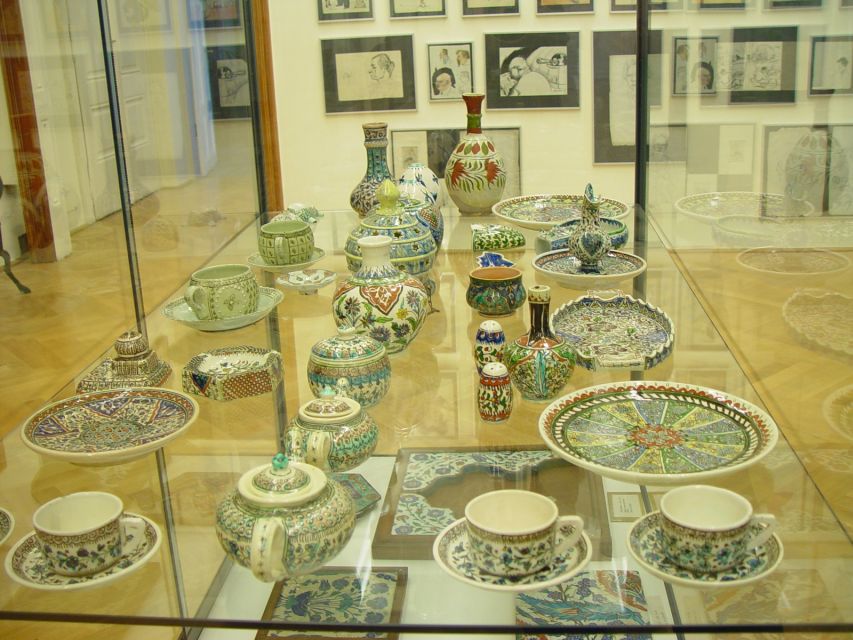
The monastery museum broadens the picture beyond books and church art. Its collections include ceramics, carpets, and other objects, mainly of Armenian production. The numismatic collection is especially large, with about 10,000 Armenian coins and 20,000 coins from other countries.
That mix makes the museum useful for visitors with different interests. Coins offer a compact record of changing eras and places; ceramics and carpets bring in craft and everyday material culture. The collection is not limited to one kind of artifact, so you get a wider view of Armenian heritage in a single visit.
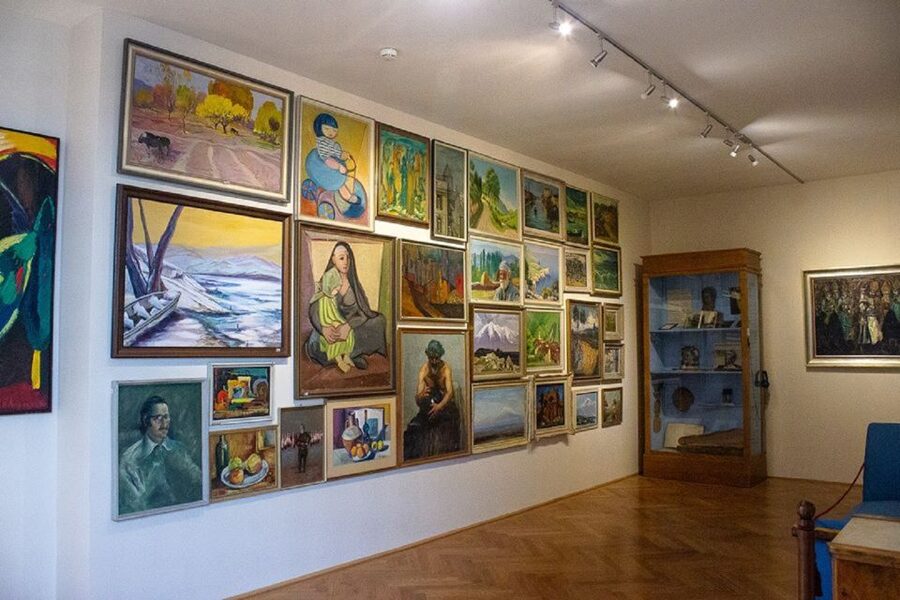
The gallery includes paintings by Armenian artists, among them three works by Aivazovsky. If you know his name, you will likely want to give these particular paintings a closer look. If you do not, the guide can help explain their place in the gallery. The art, manuscripts, and objects together make the museum feel like a cultural archive, not a room of miscellaneous souvenirs.
Mechitharine liqueur: a distinctive finish
The tour ends with a tasting of high-quality Mechitharine liqueur. You will hear about its taste, history, families, and business, adding a food-and-drink note to a visit otherwise centered on religion, art, and books.
The tasting is included in the $84 price, along with entrance fees and guide service. It is not the main reason to book, but it makes the ending feel specific to this monastery rather than interchangeable with a standard church tour. If you enjoy learning how a local product fits into a community’s history, this is a pleasant final chapter.
The tasting is still a tasting, not a full meal or a general food tour. Keep that distinction in mind when planning your day. Its role is to round out the visit and introduce a tradition, not to replace lunch.
Is two hours enough, and is $84 good value?
Two hours is a compact window for a church, chapel, refectory, museum, library, and tasting. The route is rich in distinct stops, but you should expect the guide to choose what to explain in depth. If you like a brisk, guided overview, the timing makes sense. If you want to study manuscripts or paintings at length, you may wish the visit were longer.
At $84 per person, this is not a low-cost way to see a single church. You are paying for a small-group guided visit, entrance fees, access to a highly specialized collection, and the liqueur tasting. The price is easier to justify if you value context and personal access to a subject that is not covered by the usual Vienna sightseeing circuit.
I would consider it particularly good value for anyone interested in Armenian culture, religious art, manuscripts, or the history of communities in Vienna. If you are only looking for a quick architectural stop, the two-hour commitment and specialist focus may not suit you as well. The guide’s explanations are central to the experience, so it is a better fit for curious visitors than for people who prefer to wander silently.
The tour has a full 5-star rating from six reviews, a small sample but a consistent one. The strongest themes are the guide’s warm welcome, the amount of information shared, the art and library, and the sense that the visit is worthwhile even without Armenian roots. One visitor described being moved by Father Vahan’s welcome; another praised his willingness to answer questions. Those details suggest that the human side of the visit is as important as the objects.
Who should book this visit?
Book this tour if you want to meet a less familiar side of Vienna and learn about Armenian history through a community’s own monastery. It is also a strong choice for art lovers drawn to religious paintings, visitors interested in manuscripts and publishing, and anyone who appreciates a small group where questions are welcome.
You do not need to be Armenian to find value here. The church’s art, the scale of the library, the museum collections, and the monastery’s connection to Vienna’s past give the visit several points of entry. It may mean even more if you have Armenian family or cultural ties, but the tour is not limited to that audience.
Skip it if your Vienna schedule is already packed and you want only a quick photo stop. This is a guided, content-heavy visit, and its best moments come from listening and looking closely. For a focused two hours away from the city’s grandest sights, it offers a thoughtful change of pace.
FAQ
How long is the tour?
The tour lasts two hours.
How much does the tour cost?
The listed price is $84 per person.
What languages are available?
The live guide speaks Armenian, English, or German.
How large is the group?
The group is limited to 10 participants.
What is included in the price?
Entrance fees, guide service, and a Mechitharine liqueur tasting are included.
Where is the meeting point?
Meet in front of the main entrance of the Mekhitarist Monastery.
Can I cancel for a refund?
Yes. You can cancel up to 24 hours in advance for a full refund.
Newest tours in Vienna
- Vienna: Mozart Private Guided Tour★ 5.0 · 4 reviews
- Vienna: Klimt Villa (Gustav Klimt Atelier & Museum) Ticket★ 4.7 · 50 reviews
- Vienna: Kunsthistorisches Museum Guided Tour incl. admission★ 4.9 · 32 reviews
- Vienna: Luxury Vintage Fashion Walking Tour★ 3.4 · 8 reviews
- Vienna: Johann Strauss – Immersive Audiovisual Experience Ticket★ 4.8 · 60 reviews
- Vienna: Kingdom of Railways Museum Entry Ticket★ 3.6 · 50 reviews
- Vienna: KuK Perfumery Filz – Viennese Perfume Tasting★ 4.3 · 23 reviews
- Vienna: Highlights Private Tour, Palaces & Sacher Cake★ 3.8 · 5 reviews
Vienna Tours, compared.
Vivaldi’s Four Seasons Concert in Karlskirche
Read our review →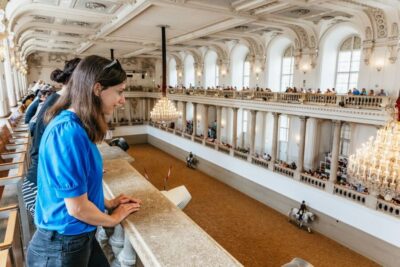
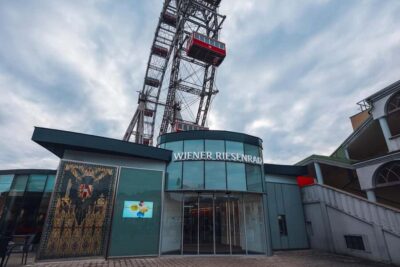
Skip-the-cashier-desk-line Giant Ferris Wheel Ride
Read our review →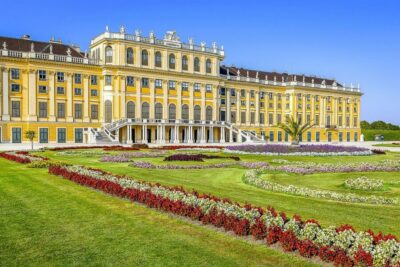
Schönbrunn Palace & Gardens Skip-the-Line Tour
Read our review →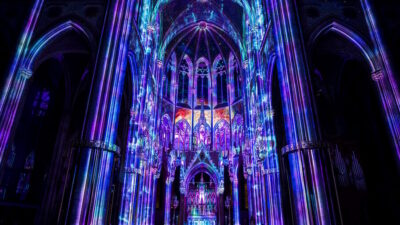
Light of Creation Votive Church Immersive Light Show
Read our review →
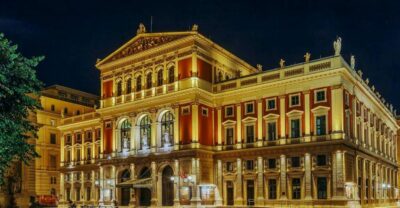
Classical Concert in the World-Famous Musikverein
Read our review →