Reviewed · VIENNA TOURS
Small Group Tour; Central Europe & the Balkans – Vienna to Tirana
The appeal is the sweep: in two weeks, you move from Vienna and Bratislava through Hungary and Serbia, then across Bosnia and Herzegovina, Montenegro, Kosovo and Albania. I like that the route mixes grand city sights with smaller places such as Rust, Sremski Karlovci and Gjakova, where daily life and local traditions are easier to notice.
I also like the practical setup: private transportation, a tour leader, hotel pickup in Vienna, drop-off in Tirana and breakfast at each overnight stop are included. The main caution is that the tour information conflicts: it describes both a 14-day Vienna-to-Tirana trip and a separate three-day Kosovo tour, and gives two different maximum group sizes. Confirm exactly what your booking covers before paying.
At a glance: a long route with a small-group feel
- The route crosses seven countries: Austria, Slovakia, Hungary, Serbia, Bosnia and Herzegovina, Montenegro, Kosovo and Albania. The schedule covers 14 days, from a Vienna hotel pickup to drop-off in Tirana.
- Expect a lot of time on the road: This is an overland tour with private transportation and many one- to three-hour sightseeing stops, not a slow stay in each city.
- The best variety comes from mixing cities and smaller towns: Budapest, Sarajevo and Kotor share the schedule with Rust, Győr, Subotica, Gjakova and Krujë.
- Kosovo gets meaningful attention: Prizren, Gjakova, Deçan and Rahovec add bazaar streets, religious heritage and wine-country scenery.
- Breakfast and transport are included, meals mostly are not: The price includes accommodation with breakfast, road costs and listed entry tickets, but not lunch, dinner, drinks or snacks.
- Check two details before booking: The group limit appears as both eight and ten, and the opening description does not match the full itinerary.
What the 14-day route asks of you
At $4,881.23 per person, this is a substantial trip, but it also covers a lot of ground. The price includes private transport, a tour leader, 13 breakfasts, accommodation, tourist taxes, fuel, road taxes, international car insurance and entry tickets for the sites listed as included. Hotels are described as three-star, with prices based on double, twin, triple or quadruple occupancy.
That package can make sense if you want one organized trip across several borders without arranging each hotel and transfer yourself. You are paying for a tightly linked route and the convenience of having transport and lodging handled. Still, lunches, dinners, drinks, snacks and personal spending add to the total, so budget for those separately.
The pace is the other part of the value calculation. Many scheduled stops last one to three hours, and several days combine sightseeing with a drive to another town or country. You will get a useful first look at a wide region, but not the long, unhurried stays that suit travelers who like to explore one city in depth.
Other tours people book in Vienna:
- Vienna: Vivaldi’s Four Seasons Concert in Karlskirche
★ 4.7 · 14,951 reviews - Vienna: Spanish Riding School Training
★ 3.9 · 9,281 reviews - Vienna: Skip-the-cashier-desk-line Giant Ferris Wheel Ride
★ 4.5 · 7,859 reviews
Days 1 to 4: from Lake Neusiedl to the Danube
The tour starts with pickup at your Vienna hotel at 11:00 am. Vienna itself is listed as time you explore independently before pickup, so plan your own sightseeing and lunch before the drive. The first scheduled stop is Rust, a small town in Burgenland known for its historic center and nearby vineyards. The route passes hills and views over Lake Neusiedl, a UNESCO-listed area, before giving you about two hours in Rust.
This first taste of the trip is gentler than the major-city days ahead. Rust’s colorful houses and small shops offer a change of scale after Vienna, and the free time may allow for a vineyard visit or a meal. That meal and any wine are at your own expense.
You continue to Bratislava, with only a short stop listed on Day 1. Day 2 gives you more time for the Slovak capital: the Old Town, Michael’s Gate and Bratislava Castle, followed by free time for a café. The castle visit is included, while the other stops are listed without admission fees. Expect a compact introduction rather than a lengthy museum program.
On Day 3, the route enters Hungary and pauses in Győr. The town’s Baroque center, Town Hall, Cathedral of the Virgin Mary and synagogue give you several layers of architecture in a manageable visit. Baross Gábor Way is the natural place to take a break, with cafés, shops and restaurants. The schedule allows free time to eat, but food is not included.
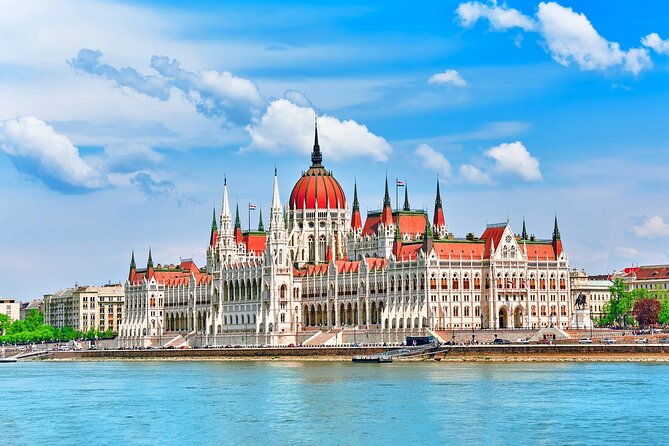
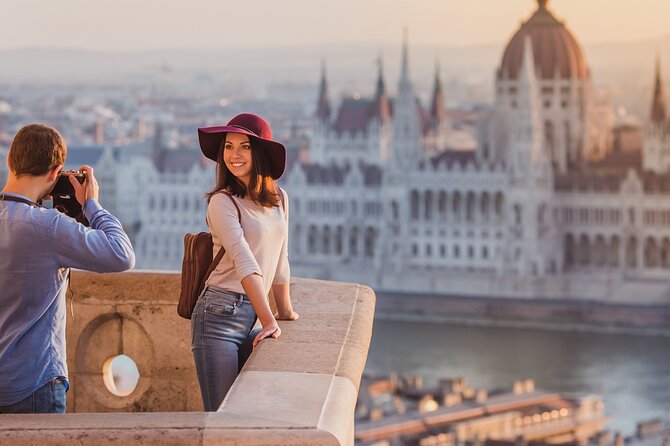
Budapest gets a fuller day. The plan includes major sights such as St. Stephen’s Basilica, the Opera, Parliament, Heroes’ Square and Fisherman’s Bastion, plus Buda Castle, which is listed with an included admission ticket. The itinerary also leaves an evening free, a welcome chance to see the city after the guided sightseeing ends. With only a few hours of scheduled touring, though, you will need to choose between adding your own sights and simply enjoying the city at your own pace.
Days 5 to 8: Serbia’s towns, wine country and Belgrade
Subotica introduces a different architectural mood. Its City Hall, Cathedral of St. Teresa of Avila and synagogue reflect the city’s Austro-Hungarian past, while the parks and central square give you room to wander. The schedule sets aside free time for coffee or local food, both self-funded.
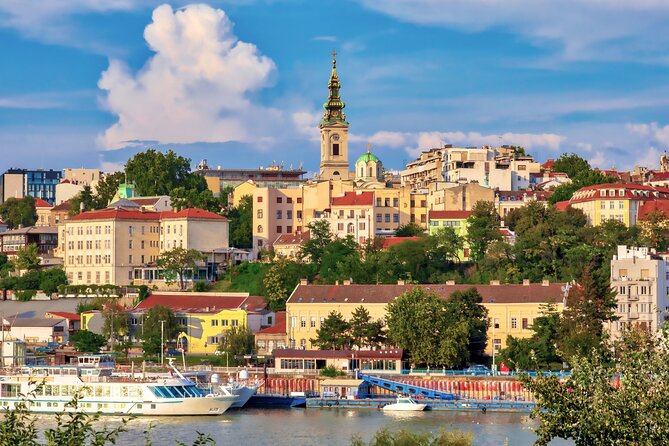
Novi Sad gets a three-hour city visit the next morning. You will walk through pedestrian streets such as Zmaj Jovina and Dunavska and see Petrovaradin Fortress, a landmark overlooking the Danube. The route then shifts to Sremski Karlovci, a compact town associated with Serbian culture and wine production. Its Baroque center and wine cellars make a useful counterpoint to the larger cities. Tasting wine is free time, not an included meal or activity.
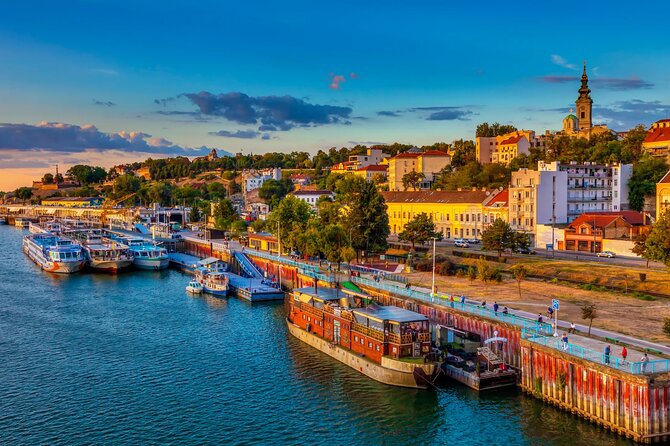
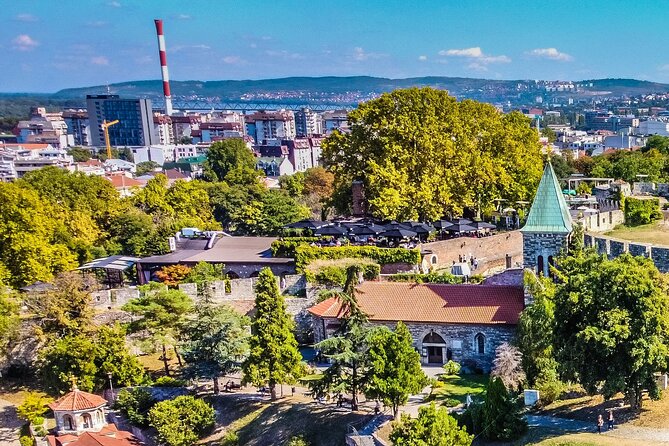
Day 8 is less clear on paper. The stop title says Zvornik, but the description begins with a visit to Belgrade Fortress and Kalemegdan Park, continues along Knez Mihailova to Republic Square, then describes a drive toward Bosnia and Herzegovina and a visit to Zvornik. That is a substantial day, and the exact order and time available at each place should be clarified before you book.
Belgrade’s fortress and park sit where the Sava and Danube meet, offering a good introduction to the city’s setting. The itinerary mentions the Pobednik monument and central pedestrian streets, but does not spell out how long the Belgrade portion lasts. If Belgrade is a priority for you, ask whether the stop is a short overview or a more complete visit.
Days 9 to 11: Sarajevo, Mostar and Montenegro
Sarajevo’s walk covers Ottoman and Austro-Hungarian quarters, religious buildings and markets, alongside visible reminders of the 1990s war. The Latin Bridge adds a specific historical connection: the assassination of Archduke Franz Ferdinand there in 1914 helped trigger the First World War. Uneven ground and historic streets are mentioned, so comfortable walking shoes are a sensible choice.
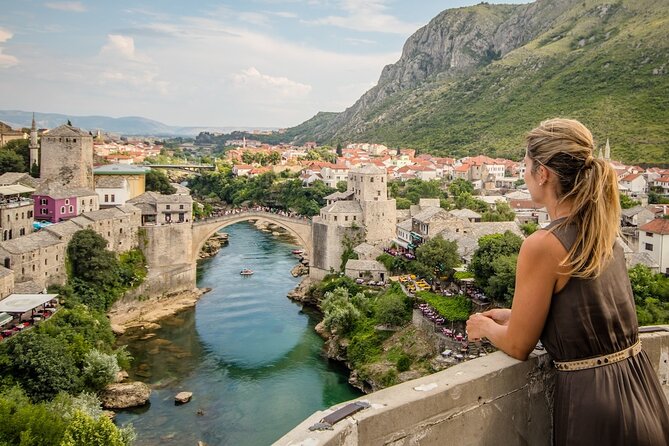
The same day continues to Mostar, where the Old Bridge and old bazaar are the main draws. The bridge is a UNESCO World Heritage site, and the old streets bring together Ottoman-era architecture and a city shaped by more recent conflict. The schedule allows only about an hour here, so think of it as a focused visit rather than time to explore every lane.
Kotor gets a more generous three-hour stop the following day. Its old town is a maze of narrow, cobbled streets, and the route includes St. Luke’s Church. You then have the afternoon free, which is valuable in a place where simply wandering is part of the experience. The schedule does not specify a climb to the fortifications above town, so do not assume that is included.
Day 11 combines Budva, a photo stop near Sveti Stefan and Shkodër in Albania. Budva’s old town is the historical focus, while the newer part has modern buildings, shops and restaurants. Sveti Stefan is viewed from the coast; the island itself is described as an exclusive residential resort and is not open for a visit on this tour.
In Shkodër, the main visit is Rozafa Castle, with views toward the lake and the rivers that meet in the area. The city’s Venetian influences and craft tradition are part of the story, but the schedule gives you two hours for the stop. That includes the castle visit, so this is another place where the tour offers a sampler rather than a deep exploration.
Same city, a different kind of day:
- Vienna: Schönbrunn Palace & Gardens Skip-the-Line Tour
★ 4.7 · 7,739 reviews - Vienna: Light of Creation Votive Church Immersive Light Show
★ 4.8 · 6,779 reviews - Vienna Spanish Riding School Guided Tour
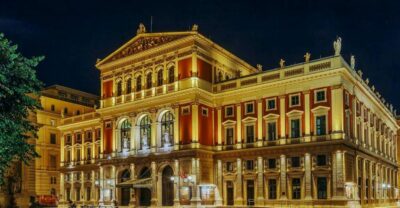
★ 4.7 · 6,765 reviews - Vienna: Classical Concert in the World-Famous Musikverein
★ 4.6 · 6,673 reviews
Days 12 to 14: farm food, Kosovo heritage and Krujë
The next day begins at Mrizi i Zanave, an agritourism farm that works with regional produce and local products. The visit includes a tour and time to eat or buy food, but lunch is not included. The farm’s story is particularly interesting because it adapted former communist-era buildings for storing local products and has created jobs in the surrounding area. This is one of the itinerary’s most grounded stops, connecting food with local livelihoods rather than treating a meal as just another rest break.
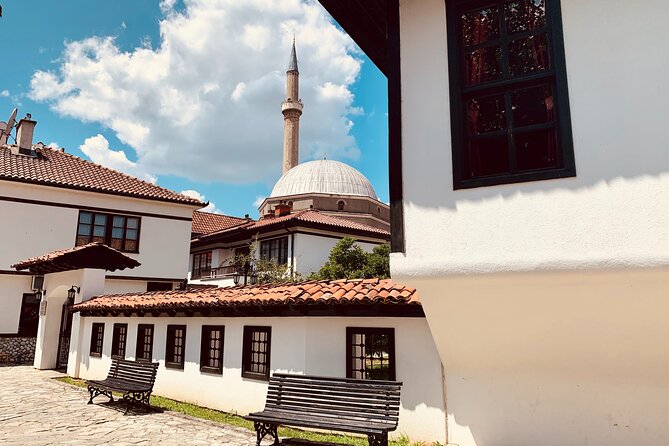
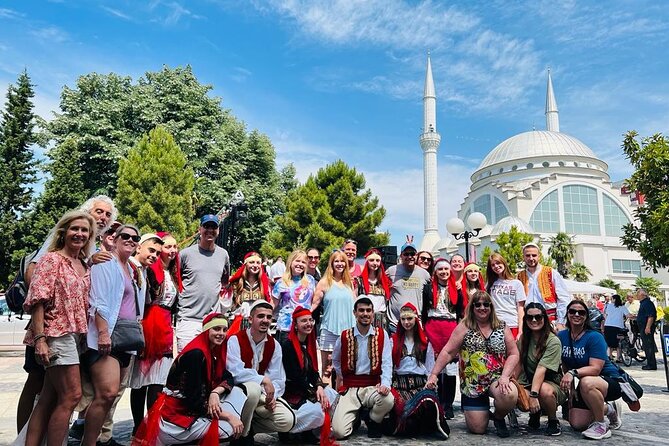
Prizren follows, with two hours to explore its old town. The river, bridges, mosque and hilltop fortress make the city one of the more visually distinctive stops on the route. Sinan Pasha Mosque and Kalaja Fortress are listed with included admission. You also have free time, though the schedule does not say how much of the two hours is guided versus independent.
Day 13 takes you to Gjakova’s old bazaar, then Deçan Monastery and Rahovec Valley. Gjakova’s bazaar has been rebuilt after repeated destruction, including during the Kosovo conflict, and its shops sell handmade crafts. At Deçan, the monastery’s frescoes and continuing Orthodox monastic life make it a significant cultural and religious stop. The monastery is listed as UNESCO-recognized, and the description notes that monks produce food such as cheese.
Rahovec adds a wine-country stop, with vineyards on low hills and a long tradition of grape growing. The schedule gives an hour here. You should not count on a full winery tour or tasting unless it is confirmed separately.
The final day visits Krujë, a city tied to Albanian resistance against Ottoman expansion. You have time for the old bazaar, its craft and souvenir shops, and Krujë Castle, where a tour leader is expected to show historic paths associated with the castle. The day ends with the drive to Tirana. There is an hour for free time in Krujë, but no sightseeing program in Tirana is described.
Group size, meals and the details to confirm
The tour’s small-group format should make it easier to move between stops than a large coach tour. But the published maximum is inconsistent: one part says places are limited to eight, while another says the group can have up to ten. Ask which limit applies to your departure. No tour leader’s name is provided, so you cannot assess the specific guide in advance.
Breakfast is included each morning, with 13 breakfasts listed for the 14-day trip. That is useful on a busy schedule, but you will pay for other meals and drinks. The itinerary often leaves time to eat independently, especially in Bratislava, Győr, Subotica, Sremski Karlovci and Krujë.
Most listed stops are walking visits, and the Sarajevo description specifically warns about uneven terrain. The trip crosses multiple borders and says schedules can change because of weather, holidays, strikes, site closures or other outside factors. You are responsible for your own health and travel insurance.
Most important, the opening description presents a three-day Kosovo tour from Pristina, while the detailed schedule describes a 14-day route from Vienna to Tirana. Those are not the same experience. The overview also says two nights of accommodation, which does not fit the full itinerary’s 13 breakfasts and overnight stays. Confirm the exact route, duration, accommodation and group limit attached to your booking.
Should you book the Vienna-to-Tirana tour?
Book it if you want a guided, multi-country overview and are comfortable with frequent drives, short visits and independent meals. The strongest reasons to go are the range of places, the mix of major cities and smaller towns, and the time devoted to Kosovo’s bazaars, monastery and wine country.
Think twice if you prefer a slow pace, want substantial time in each city, or need a clearly defined itinerary before committing. At $4,881.23 per person, the tour may be worthwhile for the transport and lodging it bundles, but only after the provider confirms that you are booking the full 14-day Vienna-to-Tirana trip, not the separate Kosovo-focused tour.
FAQ
How long is the Vienna-to-Tirana tour?
The detailed schedule describes a 14-day tour, starting in Vienna and ending in Tirana. The opening overview instead describes a three-day Kosovo tour, so confirm the duration of the specific experience you are booking.
Where does the tour start and finish?
Pickup is offered at your hotel in Vienna, and hotel drop-off is provided in Tirana. The stated start time is 11:00 am.
How many people can join the group?
The information gives two different maximums: eight people in one section and ten in another. Confirm the group limit for your departure before booking.
What accommodation is included?
Accommodation and breakfast are included for the overnight stays. The hotels are described as three-star, with pricing based on double, twin, triple or quadruple room occupancy.
Are lunch and dinner included?
No. Lunches, dinners, drinks and snacks are not included. The itinerary has free time at several stops for meals.
Is transportation included?
Yes. Private transportation is included, along with fuel, road taxes and international car insurance.
Are entrance tickets included?
Entry tickets are included for the sites listed as places to be visited. Bratislava Castle, Buda Castle, Sinan Pasha Mosque and Kalaja Fortress are specifically marked as included.
Which Kosovo towns are on the route?
The detailed schedule includes Prizren, Gjakova, Deçan and Rahovec. It also describes a visit to Prizren’s mosque and fortress, Gjakova’s bazaar and Deçan Monastery.
Is travel insurance included?
No. Participants are responsible for arranging their own health and travel insurance.
Can I cancel or change my booking?
The stated policy is non-refundable and does not allow changes. Cancellation or amendment requests do not result in a refund.
Newest tours in Vienna
- Vienna: Private Guided Walking Tour★ 4.8 · 37 reviews
- Vienna: Private Jewish Walking Tour★ 4.9 · 12 reviews
- Vienna: Tour of Gustav Klimt’s Art in 3 Museums with Tickets★ 5.0 · 22 reviews
- Private Spooky Vienna Tour★ 4.8 · 19 reviews
- Vienna: Private tour Mauthausen and Linz★ 4.1 · 3 reviews
- Vienna: Private Music Tour★ 5.0 · 8 reviews
- Vienna: Private Half-Day Sightseeing Tour★ 4.1 · 9 reviews
- Vienna Private Full Day Tour – Tickets to Schönbrunn & Lunch★ 5.0 · 3 reviews
Vienna Tours, compared.
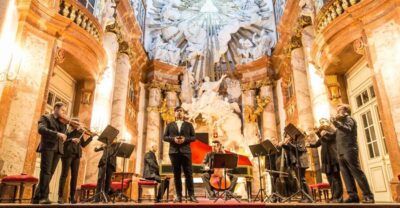
Vivaldi’s Four Seasons Concert in Karlskirche
Read our review →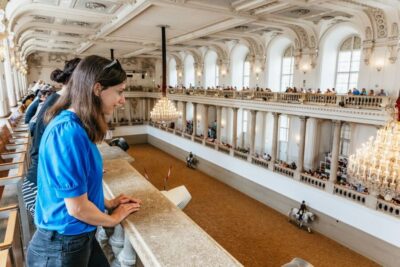
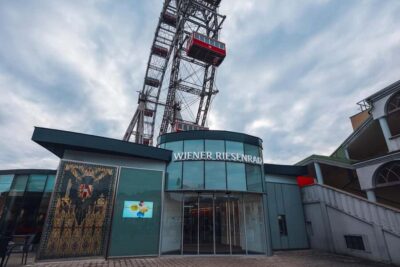
Skip-the-cashier-desk-line Giant Ferris Wheel Ride
Read our review →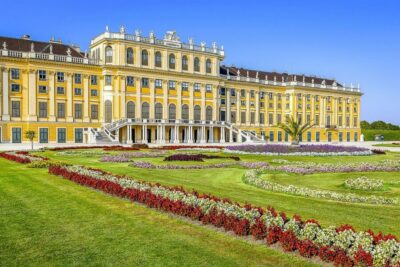
Schönbrunn Palace & Gardens Skip-the-Line Tour
Read our review →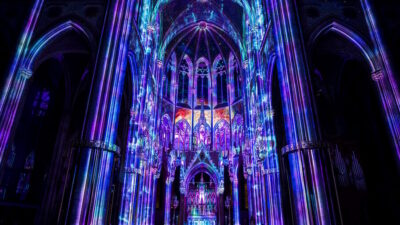
Light of Creation Votive Church Immersive Light Show
Read our review →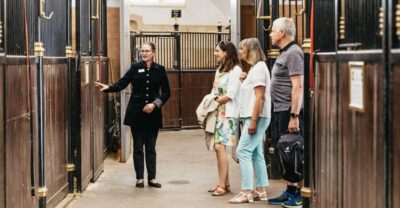
Classical Concert in the World-Famous Musikverein
Read our review →