
Reviewed · VIENNA DANCE EXPERIENCES
Vienna: King of Waltz – immersive Johann Strauss Museum
Johann Strauss’s music is the starting point here, but the visit is more than a listening session. Across seven acts in an 800-square-meter exhibition, you follow key phases of his life through sound, animation and interactive displays, then try a composing machine that turns your own waltz into sheet music to take home.
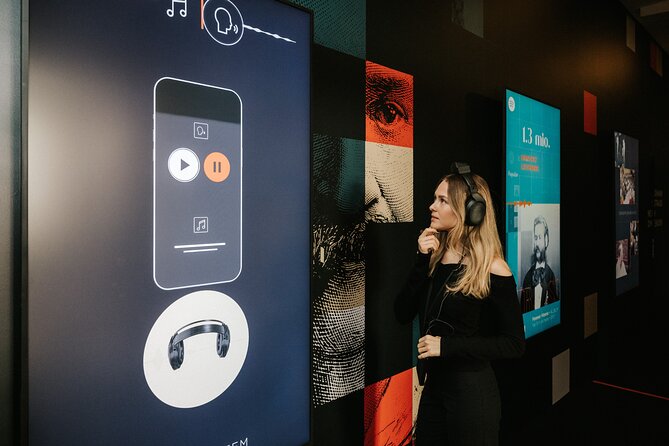
I like two details in particular: the location-based 3D sound, which gives the music a place in the exhibition rather than leaving it as background, and the chance to make a personalized souvenir instead of buying a standard one. The visit also has motion-sensitive headphones and a GPS-controlled audio guide, so the technology helps shape how you move through the show.
One consideration: at about 75 minutes, this is a focused museum visit, not a full concert or a traditional guided tour. The available visitor feedback is positive about the audiovisuals and the places to sit, but the rating is based on just four reviews, so treat it as a small sample.
Key points
- Seven acts chart Strauss’s life: The exhibition divides its story into phases, giving the visit a clear structure.
- 3D sound brings the music forward: Location-based audio and headphones make listening a central part of the exhibition.
- You can compose a waltz: The composing machine creates personalized sheet music you can take home.
- A Strauss portrait is printed on the spot: A photo lets you picture yourself as the Waltz King.
- Plan around 75 minutes: The visit is designed as a compact cultural stop, with places to sit along the way.
- Admission, headphones and audio guide are included: Parking fees are not.
A Strauss museum built around listening
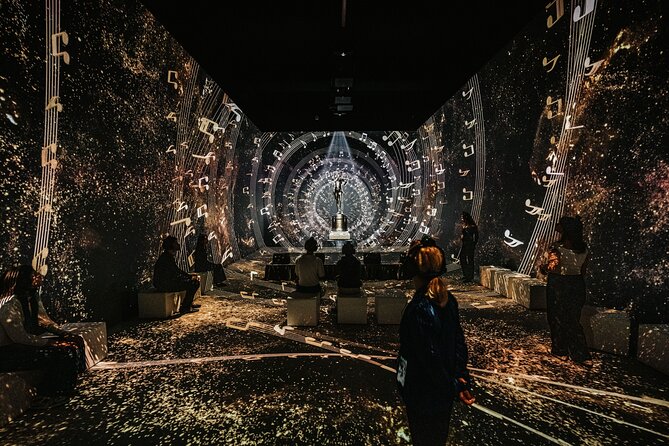
Johann Strauss is often encountered through famous melodies played in concert halls, cafés and public celebrations. This museum takes a different route: it places music alongside the story of the person who made it, using sound, images and interactive stations to keep the visit moving. You are not simply reading a sequence of dates on walls. You follow a planned route through seven acts, with the audio guide and audiovisual displays carrying much of the storytelling.
The setting is Kleines Haus der Kunst in Vienna. The exhibition covers 800 square meters, a useful scale to know when you are deciding how to fit it into a day. At roughly 75 minutes, it should not take over your sightseeing schedule, but it gives you enough time to move through a complete themed visit rather than drop in for a single display.
I like this approach for visitors who know the waltzes but not much about Strauss himself. Music gives the exhibition an immediate point of entry, while the acts provide a framework for connecting the sound to different phases of his life. The format also suits people who would rather interact with a subject than spend an hour reading long panels.
The tradeoff is that this is a technology-led presentation. If you want a conventional museum visit focused on original objects, or a live performance of Strauss’s music, the information here does not promise either. Think of it as an audiovisual interpretation of his life and music, not a replacement for a concert or a traditional collection.
More classical concerts in Vienna:
- Vienna: Vivaldi’s Four Seasons Concert in Karlskirche
★ 4.7 · 14,951 reviews - Vienna: Classical Concert in the World-Famous Musikverein
★ 4.6 · 6,673 reviews - Vienna: Classical Concert at St. Stephen’s Cathedral
★ 4.1 · 4,177 reviews
Seven acts, one focused visit
The exhibition’s seven-act structure is its backbone. Each act presents an important phase of Strauss’s life through interactive elements, audiovisual installations and designed scenarios. The available details do not name the individual acts or spell out each period, so it is best not to expect a particular sequence of events or specific artifacts. What you can count on is a journey organized around his life rather than a single, stand-alone music display.
That structure is helpful if you have limited time. A 75-minute visit with a clear progression makes it easier to follow the subject without having to build your own route through a large museum. It also gives the visit a beginning, middle and end, which can make the music feel connected to a life story rather than presented as a playlist.
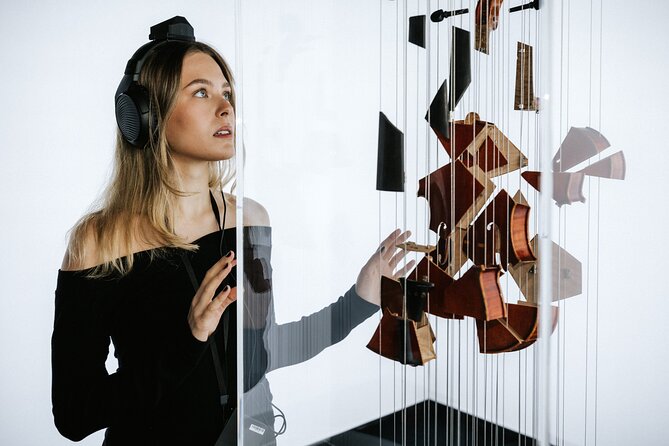
The multimedia format may appeal especially to families, younger visitors and anyone who learns well through sound and images. There are stations where you can try being a composer, musician or dancer. Those activities offer a break from listening and looking, although the information does not specify exactly what each station involves. Go in ready to experiment, rather than expecting a detailed music lesson.
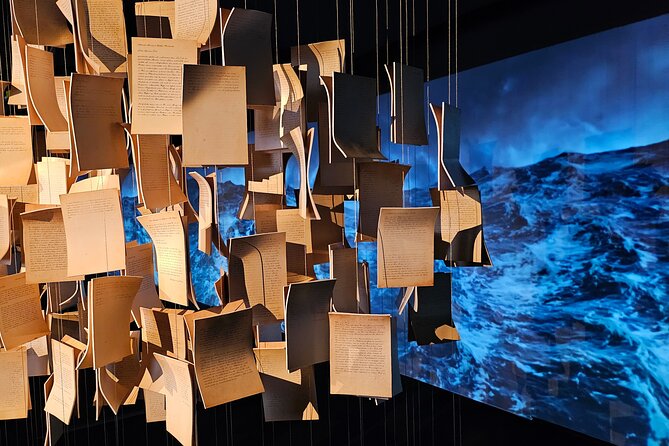
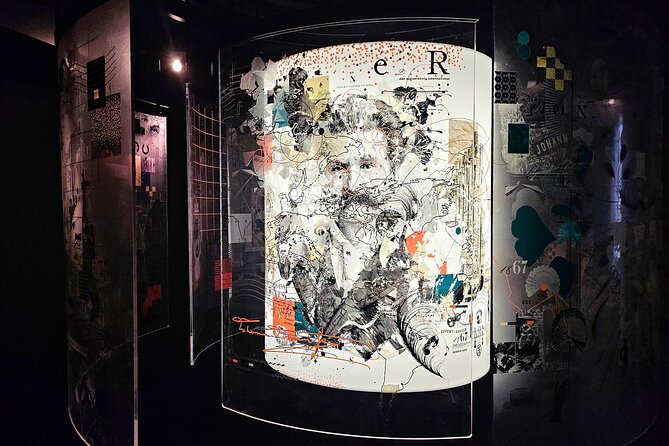
The exhibition also includes animations at multimedia stations. These help vary the pace and give the story a visual dimension. If you are a committed Strauss specialist, you may want more detail than an exhibition of this length can provide. For a curious visitor who wants an accessible introduction, the seven acts offer a manageable way to spend an hour or so with Vienna’s most famous waltz composer.
Headphones that guide your route
The audio setup is more than a standard recorded guide. You receive motion-sensitive headphones and a GPS-controlled audio guide, while the exhibition uses a location-based 3D sound system. In practical terms, that means audio is intended to respond to where you are and to support the displays around you. Music is not an optional extra here; it is part of how the exhibition tells its story.
That can be a real advantage. Strauss’s work makes more sense when you can hear it, and spatial sound offers a different kind of attention from reading about a melody on a label. The headphones also let you follow the exhibition’s audio without relying on a separate live guide. No guide’s name is provided, and the experience is described as an audio-guided visit rather than a tour led by a person.
There is a small learning curve with any motion-sensitive or location-based system. Take a moment at the start to get comfortable with the headphones and audio guide, then let the exhibition lead you from station to station. The supplied details do not explain whether you can adjust the audio, how the system handles crowds, or what language options are available, so check those points directly if they matter to your visit.
One review praised the creative audiovisuals and said the length felt right. That is useful context, though the total rating of 4.5 comes from only four reviews. I would take it as an encouraging sign, not a guarantee that every visitor will respond to the technology in the same way.
Make a waltz, then take it home
The composing machine is one of the most distinctive parts of the visit. You can try your hand at creating a waltz, with the result produced as personalized sheet music to take home. That turns a museum activity into a keepsake with a direct connection to the subject. You do not just leave with a general souvenir; you leave with a piece of music made during your visit.
The available information does not explain how much musical knowledge the machine requires, or how many choices you make while composing. You do not need to assume you will write a complex score. The value is in trying the process and seeing the result, whether you arrive as a trained musician or simply enjoy pressing the buttons and hearing what happens.
There is also a photo opportunity that lets you picture yourself as Johann Strauss, with the image printed on the spot. Together, the music and portrait activities give the museum a playful side. They are especially appealing if you like leaving an attraction with something personal, or if you are visiting with someone who enjoys interactive stops more than a display-heavy museum.
These activities do not replace the exhibition’s historical story, but they can make it easier to remember. A personalized score or printed portrait gives you a tangible link to the visit after you have moved on to your next stop in Vienna.
More museum visits in Vienna:
- Vienna: Skip-the-Line Sisi Museum, Hofburg and Gardens Tour
★ 4.8 · 5,918 reviews - Vienna Kunsthistorisches Museum Day Admission Ticket
★ 4.6 · 3,690 reviews - Tickets for the Albertina Exhibitions
★ 4.7 · 2,126 reviews - Vienna: Chocolate Workshop in Chocolate Museum w/ Tasting
★ 4.5 · 1,802 reviews
What the price includes
At $28.94 per person, this is a paid cultural attraction rather than a quick free stop. The admission fee, headphones and audio guide are included, so the listed price covers the main parts of the visit. Parking fees are not included. The ticket is mobile, which means you can use it on your phone rather than needing a printed ticket.
Value depends on what you want from a museum visit. If you are interested in Strauss, classical music, interactive exhibits or audiovisual storytelling, the combination of a 75-minute route, 3D sound and hands-on stations gives you several ways to engage with the subject. The composing machine and printed portrait add something beyond the standard audio tour.
If your main goal is to hear a full live performance, this is not described as a concert. And if you are looking for a long, object-focused museum, the compact duration and technology-forward approach may not justify the price for you. For a focused, self-guided cultural visit with a few distinctive activities, the price is easier to make sense of.
The activity is booked, on average, 28 days in advance. That figure does not mean you must book exactly four weeks ahead, but it suggests that planning early may be sensible if you have a fixed date. Confirmation is received at booking, and free cancellation is available up to 24 hours before the start time.
A comfortable stop for curious music fans
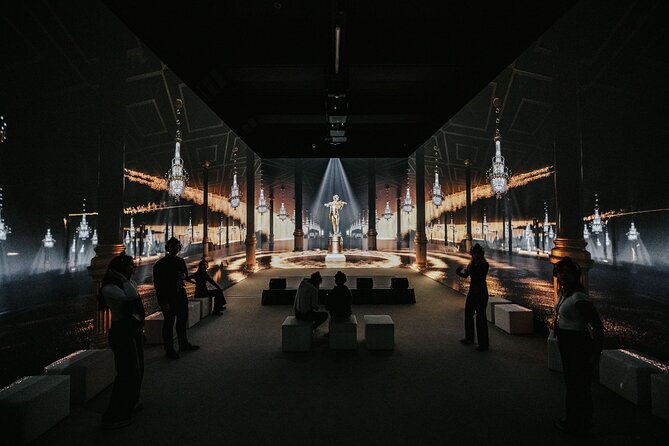
The visit is described as suitable for most people, and it is near public transportation. One practical detail from the available feedback is that there are plenty of places to sit. That can matter in a museum where you are wearing headphones and taking time to listen, especially if you prefer to pause between sections.
The experience may suit classical-music fans who want more context around Strauss, but it does not require you to arrive as an expert. The interactive stations and visual storytelling make it a reasonable pick for cultural explorers who like trying something hands-on. It may also work well as a shorter indoor activity within a Vienna itinerary, since the stated duration is about an hour and fifteen minutes.
A couple of expectations are worth keeping in check. The supplied details do not give a group size, the full act-by-act content, the audio guide languages, or the exact level of staff assistance. They also do not describe the ticket’s entry-time arrangements. If any of those details will affect your plans, confirm them before booking rather than relying on assumptions.
With only four reviews contributing to the 4.5 rating, there is not a large pool of feedback to draw on. Still, the praise available points to two practical strengths: creative audiovisuals and a visit length that feels manageable. The mention of seating is another useful note, especially for anyone who appreciates a chance to rest during a museum visit.
Should you book the Johann Strauss Museum?
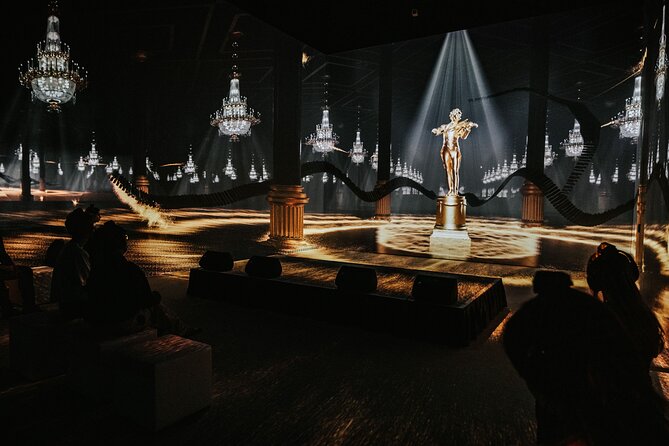
I would book this if you want a compact, music-centered attraction that mixes biography, sound and participation. The best reasons to go are the location-based 3D audio, the seven-act structure, and the chance to create your own waltz and take its sheet music home. The Strauss portrait adds a second personal souvenir, while the 75-minute length makes the visit relatively easy to fit into a day.
I would pause if you are mainly after a live concert, an extensive collection of original objects, or a tour led by a named guide. Those are not part of the experience as described. For the right visitor, though, this is a clever way to spend an hour with Vienna’s waltz tradition: listen closely, try the composing station, and leave with something you made yourself.
FAQ
How long does the Johann Strauss Museum experience take?
The visit lasts about 75 minutes.
Where does the experience take place?
It takes place at Kleines Haus der Kunst in Vienna.
How much does the experience cost?
The listed price is $28.94 per person.
What is included in the price?
Admission, headphones and an audio guide are included.
Are parking fees included?
No. Parking fees are not included.
Is this a guided tour with a live guide?
The experience includes an audio guide. No live guide is specified.
Can I make something during the visit?
Yes. You can use a composing machine to create a waltz, with personalized sheet music to take home.
Is there a photo opportunity?
Yes. You can take a photo of yourself as Johann Strauss and have it printed on the spot.
Is the museum near public transportation?
Yes. The location is described as near public transportation.
What is the cancellation policy?
You can cancel at least 24 hours before the start time for a full refund. Cancellations made less than 24 hours before the experience are not refunded.
More dance experiences in Vienna
- Viennese Waltz Workshop
★ 5.0 · 65 reviews - Vienna: Viennese Waltz Workshop for Couples
★ 5.0 · 64 reviews - Private Waltz Workshop for Friends & Families (4-14 guests)
★ 5.0 · 6 reviews - Vienna: Festive Season and New Year’s Eve Waltz Workshop
★ 5.0 · 3 reviews
Newest tours in Vienna
- Vienna: ‘Armenia In The Heart Of Austria’ Tour★ 5.0 · 6 reviews
- Vienna: Mozart Private Guided Tour★ 5.0 · 4 reviews
- Vienna: Klimt Villa (Gustav Klimt Atelier & Museum) Ticket★ 4.7 · 50 reviews
- Vienna: Kunsthistorisches Museum Guided Tour incl. admission★ 4.9 · 32 reviews
- Vienna: Luxury Vintage Fashion Walking Tour★ 3.4 · 8 reviews
- Vienna: Johann Strauss – Immersive Audiovisual Experience Ticket★ 4.8 · 60 reviews
- Vienna: Kingdom of Railways Museum Entry Ticket★ 3.6 · 50 reviews
- Vienna: KuK Perfumery Filz – Viennese Perfume Tasting★ 4.3 · 23 reviews
Vienna Dance Experiences, compared.
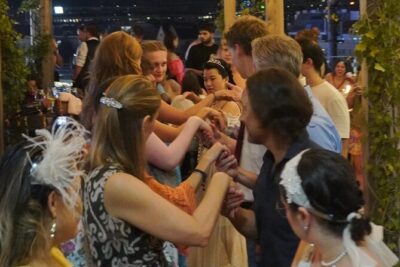
Private Waltz Workshop for Friends & Families (4-14 guests)
Read our review →
Browse the lists this tour appears in