
Reviewed · VIENNA TOURS
Exciting history tour and discovery of Vienna’s secrets
Vienna’s history is not confined to palace rooms and museum labels. On this private walk, your guide connects the great names, grand buildings, and small details of the old center, from Mozart and Beethoven to medieval church art and the imperial family’s former home.
I like two things in particular: you can ask questions freely in a tour just for your group, and the route mixes famous sights with less expected stops, including a monastery courtyard and an Orthodox church. One consideration is the broad two-to-eight-hour duration: the actual experience depends on the route you arrange, and Belvedere and Schönbrunn appear as longer options rather than quick additions.
Key points
- Private guide: Just your party joins, so you can ask questions and set the pace.
- A strong central route: Expect St. Stephen’s Cathedral, the Hofburg, the Ringstrasse, and the Spanish Riding School.
- Music history: Mozart, Beethoven, Brahms, Schubert, the State Opera, and Vienna’s concert halls feature in the tour.
- Smaller stops add texture: The Schottenstift, Volksgarten, and an Orthodox cathedral offer a change from imperial landmarks.
- Longer options: Belvedere and Schönbrunn can extend the day, but need more time and should be arranged in advance.
- Plan for a walk: Private transport is not included, and the stated duration includes travel time.
A private walk through Vienna’s many layers
At $118.82 per person, this tour is best understood as a guided introduction to central Vienna, not a ticket to every palace interior. You meet at Graben 32 in the first district and return there at the end. The private format matters: you can pause to ask about a building, request more music history, or keep moving if your group is ready.
The experience is offered in English, with pickup available. The named guides in the tour’s recommendations include Walter and David, but you should not assume which guide will lead your date. Both are described as warm, enthusiastic, and strong at linking Vienna’s past with the city today. That ability to explain why a place matters, rather than simply identify it, is the main value of a walking tour like this.
The listed duration ranges from two to eight hours. That is a wide span, so clarify your preferred length and priorities before setting out. The central stops are tightly grouped, while Belvedere and Schönbrunn require extra time. The description also says total duration includes travel time, which is useful when planning lunch, another booking, or a train departure.
St. Stephen’s Cathedral: Gothic stone and layered art
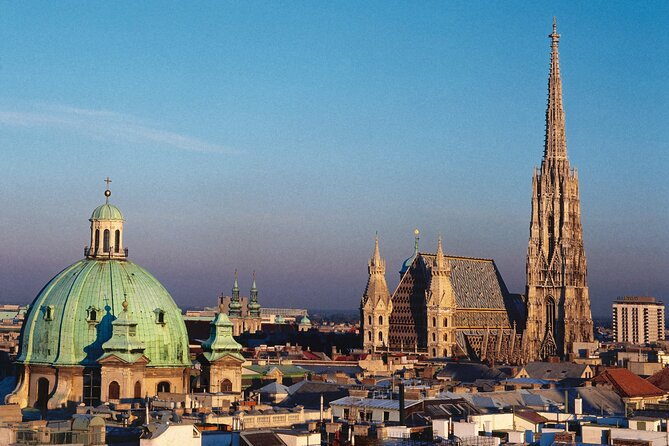
The tour begins at Stephansdom, Vienna’s best-known church and a practical place to start understanding the old center. Your guide points out the ancient rear of the cathedral, its Gothic south side, and the tower that was the tallest in the world during the Middle Ages. The focus is not only on the grand exterior: you’ll also hear about medieval and Baroque frescoes and go inside for explanations.
Twenty minutes is listed for this stop. That gives you a first look and useful context, but it is not a leisurely visit to every corner of a large cathedral. If church architecture is a particular interest, ask how much time can be set aside here. The guide’s explanations can help you read details that are easy to pass without noticing, especially if this is your first visit to Vienna.
More history tours in Vienna:
- Vienna: Time Travel and Magic Vienna History Tour
★ 4.6 · 3,879 reviews - Vienna: World War II Historical Walking Tour
★ 4.8 · 1,772 reviews - Vienna Historic Center Small Group Walking Tour
★ 5.0 · 1,746 reviews
Mozart and the city of classical music
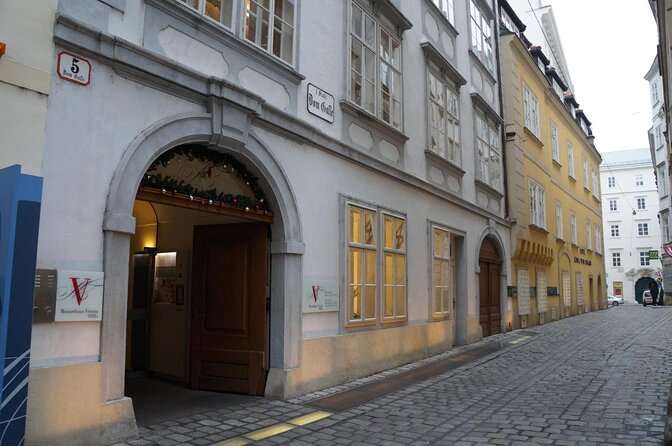
The music section moves from Mozarthaus Vienna to a wider set of names and places. Mozart is the starting point, but the guide also brings in Beethoven, Brahms, and Schubert, along with the State Opera and key concert halls. This gives you a useful frame for Vienna as a working musical city, not only a place associated with composers long gone.
The listed stop at Mozarthaus is ten minutes, with the Beethoven Monument and residence included in the surrounding walk. Think of this as an introduction, not a full museum visit or a deep study of each composer. If you want to enter a concert hall or spend time in a composer’s museum, ask whether that can be added and how it affects the tour length.
Spanish Riding School and the Lipizzaner stables
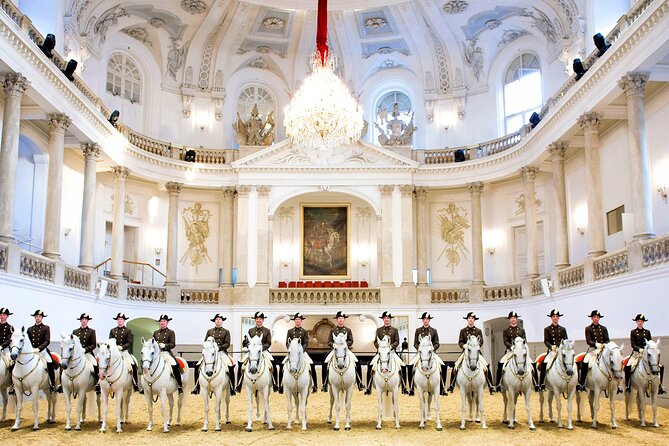
At the Spanish Riding School, the tour introduces the Baroque riding school and its famous white Lipizzaner horses. The planned visit includes the stables and a film about the riding arena and horses. That offers a look at the institution without promising a live performance, so don’t book this walk expecting to watch the horses perform.
The stop is listed as ten minutes, which makes it a brief encounter. The guide then leads you through Baroque streets, past original shop displays from the monarchy, and into Baroque churches. This change of pace is welcome: palace façades can blur together, while a shop window or church interior can make everyday life in imperial Vienna feel more tangible.
The Hofburg: power, courtyards, and family stories
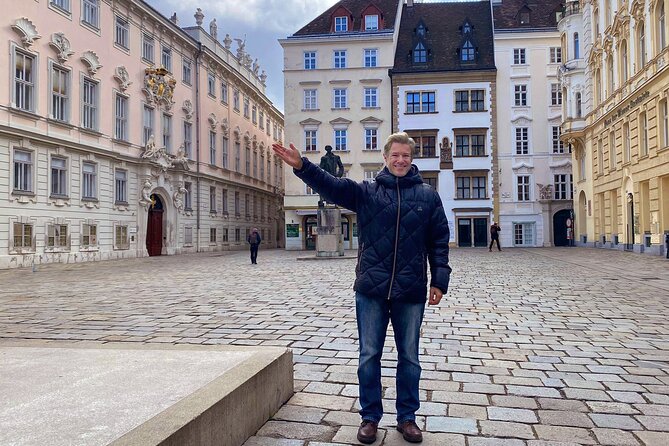
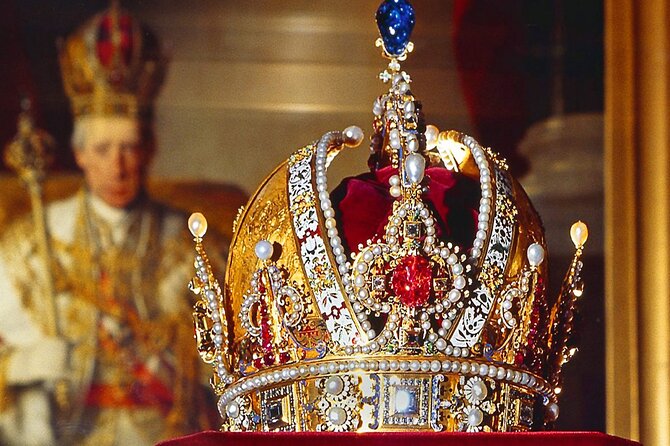
The Hofburg is the tour’s biggest concentration of imperial history. Your guide takes you through Heroes’ Square, with its equestrian monuments, and into the palace courtyard. You’ll hear about the medieval castle and the story of King Richard the Lionheart’s imprisonment in Austria, then view the complex from Michaelerplatz and learn about a building described as an early modern structure.
The route also points out the National Library, the church where Empress Sisi married, the Albertina, and the palace gardens. The itinerary describes these as visits, but the listed time for the Hofburg stop is only 30 minutes. Expect a guided overview of several sites, not a full tour of each museum or palace interior. If you have a particular interest in Sisi, the Habsburgs, or the library, ask where the group can spend extra time.
That distinction matters when weighing the tour’s value. A guide can make a short visit more useful by explaining the relationships between places, but the walk cannot replace a dedicated museum visit. You may want to return to one or two buildings independently after you have your bearings.
Same city, a different kind of day:
- Vienna: Vivaldi’s Four Seasons Concert in Karlskirche
★ 4.7 · 14,951 reviews - Vienna: Spanish Riding School Training
★ 3.9 · 9,281 reviews - Vienna: Skip-the-cashier-desk-line Giant Ferris Wheel Ride
★ 4.5 · 7,859 reviews - Vienna: Schönbrunn Palace & Gardens Skip-the-Line Tour
★ 4.7 · 7,739 reviews
Ringstrasse and the city beyond the palace walls
Walking along the Ringstrasse shows another side of Vienna’s grand design. The route takes in major buildings such as museums, parliament, the town hall, the university, churches, gardens, and palaces. The boulevard helps explain how Vienna expanded beyond its older core and how civic institutions share space with imperial grandeur.
The listed 20-minute stop is a broad survey. You’ll get more from it if you look at the buildings as a whole rather than expecting to enter them. A guide can point out the contrasts in style and purpose, while you get a sense of how the city’s public life fits around the old center.
Schottenstift, Volksgarten, and a different side of the center
The Schottenstift adds a quieter stop to the route. You enter the monastery’s green courtyard and see its Rococo church, with stories about the first monks and Vienna’s past. It is a welcome change from the city’s most famous landmarks, though the listed visit is ten minutes and will be brief.
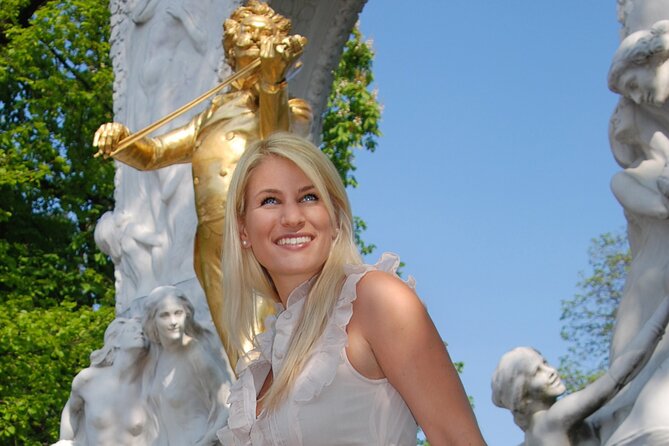
At the Volksgarten, the guide takes you through a rose garden with monuments to Empress Elisabeth, poets, and temples. The garden offers space to pause and notice the balance between formal design and greenery. The tour also includes the Romanian Orthodox church, described as the cathedral of Vienna’s Greek Orthodox bishop, with an introduction to Orthodox belief and its oriental architecture.
These stops help make the walk feel broader than a greatest-hits route. They also depend on access and timing, so don’t assume that each short stop will become a long visit. Their main value is the variety: religious history, garden design, and imperial memory appear within the same compact city center.
Belvedere and Schönbrunn: options for a longer day
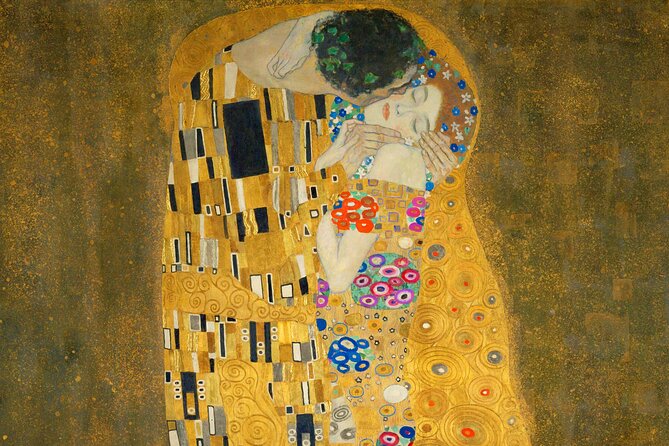
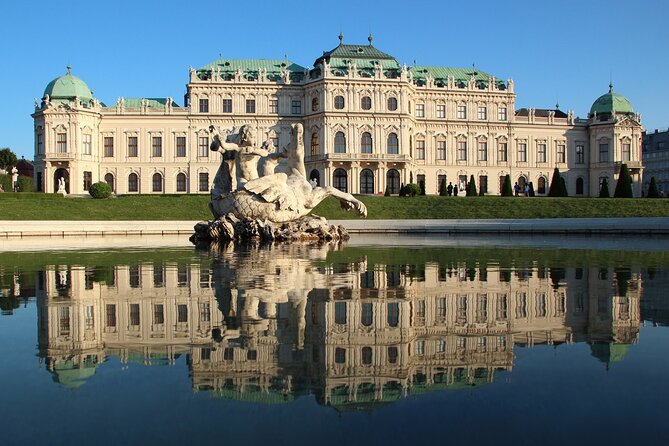
Belvedere is presented as an option if you have more time. The route there passes Karls Church, squares, and gardens before reaching the palace grounds. The guide introduces Prince Eugen and the Baroque palace, where you can see Gustav Klimt’s famous paintings. Because the palace is outside the central walking loop, treat this as an extension rather than something to squeeze into a short tour. The stated one-minute duration is clearly not enough to represent a meaningful palace visit.
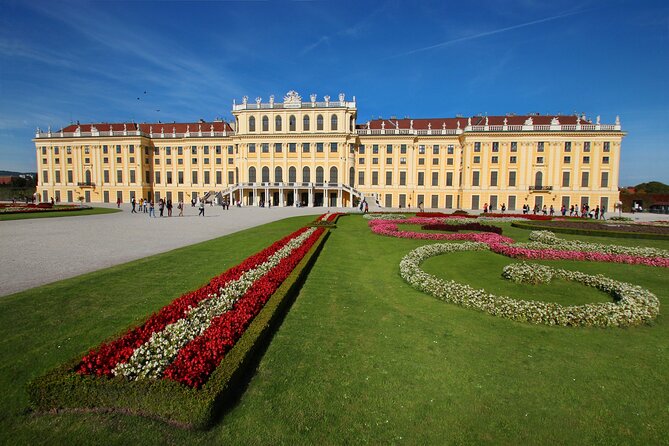
Schönbrunn is another separate possibility, with its own two-hour tour or a five-hour half-day option noted in the tour details. The gardens include fountains, floral displays, monuments, the Palm House, and the Gloriette, with a view across Vienna. The palace and the imperial carriages are also mentioned, as is the oldest zoo in the world. Coffee and Viennese cake at the Gloriette are an appealing idea, but coffee and tea are not included in the tour price.
The quoted options are 80 euros for a separate two-hour Schönbrunn tour and 180 euros for a five-hour tour. Confirm the current arrangement and price directly before planning around them. These extensions can turn a central orientation walk into a full day, but they are not equivalent to a quick detour.
What the price gets you, and what it does not
The advertised price is $118.82 per person, and the tour is private. That can be good value for a couple, family, or small group who want to ask questions and move at their own pace. With a larger group, the per-person cost may feel more attractive, provided everyone is comfortable with a walking-focused visit.
The guide is included, and several stops are marked as including admission. At the same time, the inclusions section lists only the guide, while the overview says attraction entrance fees are covered. Because those details do not line up cleanly, check exactly which entry fees are covered before booking, especially if you plan to visit a palace or museum interior. Private transportation is not included, and neither are coffee or tea.
The private format and the guide’s ability to bring the city to life are the strongest reasons to choose this over a self-guided walk. Past praise centers on guides Walter and David: their enthusiasm, personal approach, and ability to connect Vienna’s history with present-day Austria. One especially useful point for returning visitors is that the tour can reveal details in familiar places that are easy to overlook. If you already know the main sights, that interpretive layer may be more valuable than simply ticking them off.
Who should book this Vienna tour?
I’d choose this walk if you want a personal introduction to central Vienna, enjoy history told through buildings and stories, and prefer a guide you can talk with rather than a large group format. It also suits repeat visitors who want fresh context for places they already recognize. The short stops make it a good orientation, but not a substitute for spending an afternoon inside the major museums or palaces.
It may be a poor fit if you need a fully accessible experience or rely on visual or audio interpretation. The tour information says it is not suitable for people who are deaf and mute or visually impaired, and it is a walking tour with no private transport included. Most travelers can participate, service animals are allowed, and the meeting point is near public transportation.
You can cancel for a full refund up to 24 hours before the start. The experience requires good weather; if bad weather forces cancellation, you’ll be offered another date or a full refund. Since the tour is booked an average of 69 days ahead, reserve early if you have a specific date in mind, then confirm which stops and admissions fit the length you want.
FAQ
How long does the tour last?
The tour is listed as approximately two to eight hours. Total duration includes travel time, and the length depends on the route you arrange.
Is this a private tour?
Yes. Only your group participates.
Where does the tour start and end?
It starts at Graben 32, 1010 Vienna, and ends back at the same meeting point.
Is private transportation included?
No. The guide is included, but private transportation is not.
Are entrance fees included?
The tour overview says attraction entrance fees are covered, and some itinerary stops are marked as including admission. However, the inclusion details list only the guide, so confirm which specific entry fees are covered before booking.
Can I add Belvedere or Schönbrunn?
Belvedere is offered if you have more time, and Schönbrunn is described as a separate two-hour tour or a five-hour half-day option. Contact the provider to confirm current arrangements.
Newest tours in Vienna
- Vienna: ‘Armenia In The Heart Of Austria’ Tour★ 5.0 · 6 reviews
- Vienna: Mozart Private Guided Tour★ 5.0 · 4 reviews
- Vienna: Klimt Villa (Gustav Klimt Atelier & Museum) Ticket★ 4.7 · 50 reviews
- Vienna: Kunsthistorisches Museum Guided Tour incl. admission★ 4.9 · 32 reviews
- Vienna: Luxury Vintage Fashion Walking Tour★ 3.4 · 8 reviews
- Vienna: Johann Strauss – Immersive Audiovisual Experience Ticket★ 4.8 · 60 reviews
- Vienna: Kingdom of Railways Museum Entry Ticket★ 3.6 · 50 reviews
- Vienna: KuK Perfumery Filz – Viennese Perfume Tasting★ 4.3 · 23 reviews
Vienna Tours, compared.
Vivaldi’s Four Seasons Concert in Karlskirche
Read our review →
Skip-the-cashier-desk-line Giant Ferris Wheel Ride
Read our review →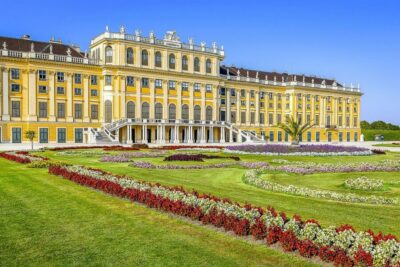
Schönbrunn Palace & Gardens Skip-the-Line Tour
Read our review →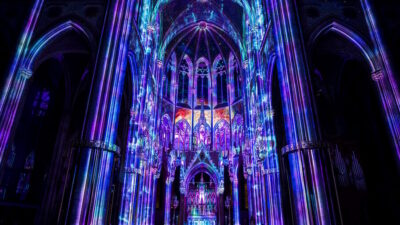
Light of Creation Votive Church Immersive Light Show
Read our review →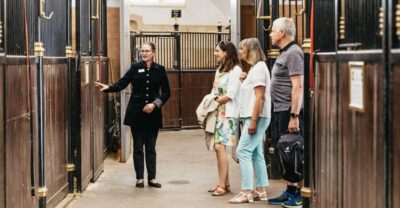
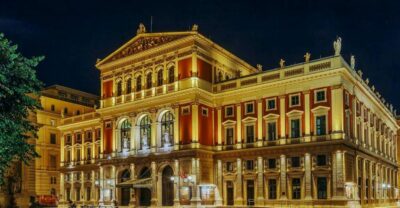
Classical Concert in the World-Famous Musikverein
Read our review →
Skip-the-Line Sisi Museum, Hofburg and Gardens Tour
Read our review →Browse the lists this tour appears in