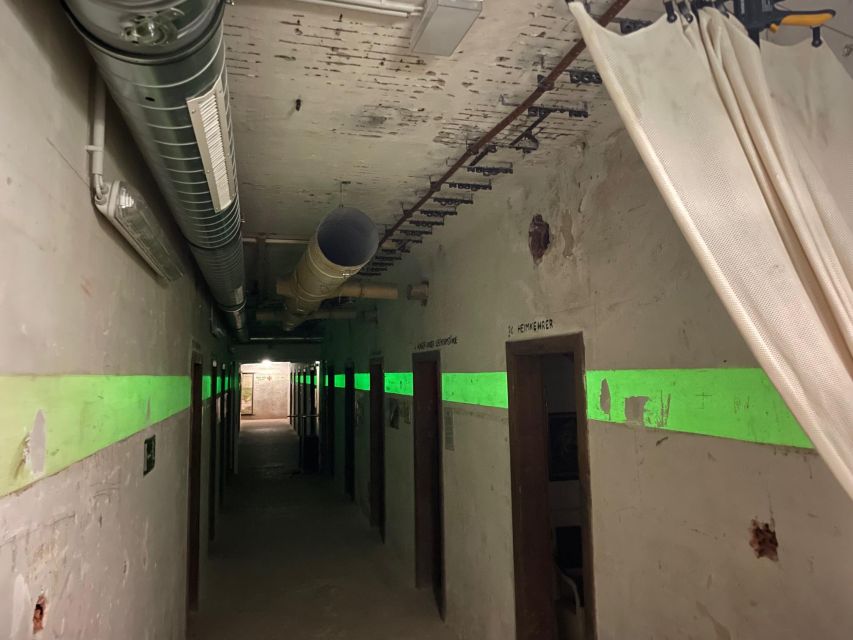
Reviewed · VIENNA TOURS
Vienna: Underground WWII Bunker Ticket and Guided Tour
Vienna’s wartime story becomes more immediate when you leave street level and enter a former air raid shelter. This 90-minute tour takes you into a well-preserved bunker at a concealed location, where artifacts and stories help explain how civilians sought safety during Allied bombing raids.
I like two things in particular: the chance to see a space that is not normally open to the public, and the guide’s focus on both shelter life and the political events around it. Candlelight has helped create an atmospheric visit, while personal anecdotes can make the history feel close to everyday life.
One consideration: the tour is German-language only, and the quality of the explanation may depend on the guide. The entrance can also be difficult to find, so give yourself a little extra time before the start.
- A hidden wartime shelter: Visit an underground air raid refuge that is not generally accessible to the public.
- Stories beyond the walls: Hear about civilian life, the annexation, wartime Vienna, and the challenges of reconstruction.
- Artifacts in context: See preserved historical objects while your guide explains what the bunker was for.
- A candlelit atmosphere: The low lighting has been used to help convey the feeling of being underground.
- A German-language tour: The guide speaks German, so this is best if you can follow the language.
- A few practical limits: The tour lasts 90 minutes, is not barrier-free, and does not allow cameras.
Going Below Street Level in Vienna
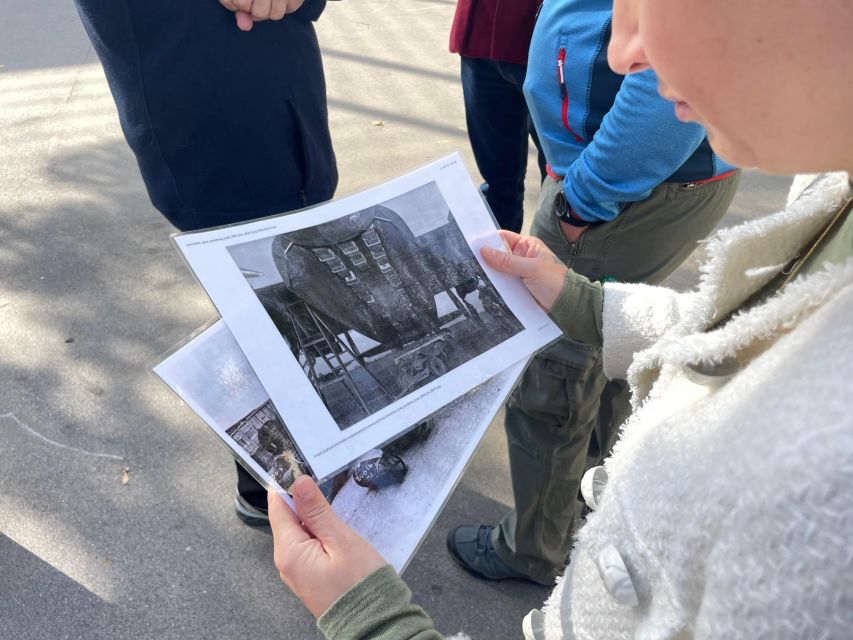
This tour begins in front of the Museum of Liberation of Vienna 1945–1955. From there, you meet your guide and head down to a former air raid shelter in a clandestine, undisclosed location. The concealed setting is part of the appeal: this is not a grand public monument with a broad entrance and a row of display cases, but a functional space built for a frightening purpose.
The shelter offers a direct way to think about what air raids meant for ordinary people. Instead of learning only from dates and political summaries, you can stand underground and consider the basic act of seeking safety. The experience is still a guided visit rather than a reenactment, but the physical setting gives the subject a weight that a museum label alone cannot provide.
The location is described as well preserved, and the route takes you through the hidden bunker with a guide. You should expect an enclosed underground environment, not a polished exhibition designed around interactive displays. The point is to see the shelter and its objects while hearing how they fit into Vienna’s wartime experience.
What the Shelter Can Tell You
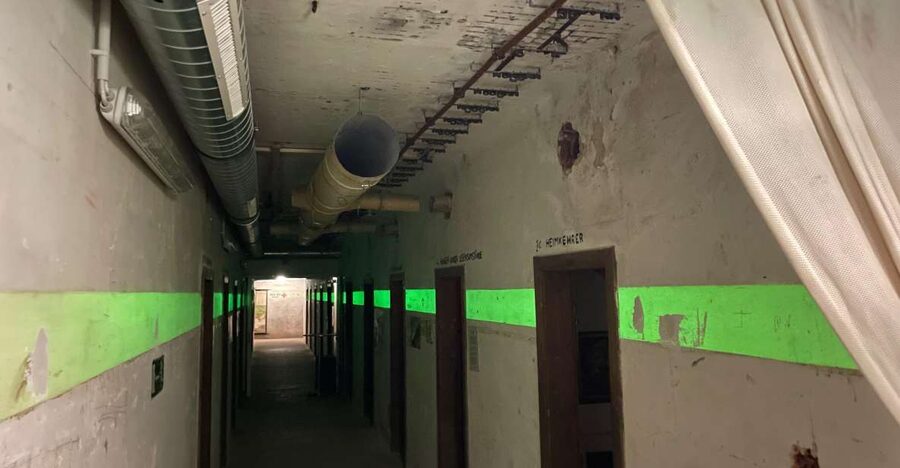
A bunker is more than a collection of walls and rooms. Its architecture reflects a practical need: protection during bombing raids. Your guide explains the shelter’s significance and helps connect its physical features to the danger civilians faced. The information supplied for the tour does not specify individual rooms or architectural details, so the emphasis is on the site as a whole rather than a guaranteed list of particular features.
That distinction matters when deciding what you want from the visit. If you are looking for a detailed architectural survey, the tour may not promise that level of technical description. If you want a grounded sense of how civilians sought refuge, the bunker itself gives the history a useful point of focus.
The shelter is not publicly accessible in the usual way, which makes the guided format essential. You are not simply buying entry to a space and exploring at your own pace. The guide leads the visit, identifies the objects, and supplies the context that turns a basement-like setting into a place with a wartime purpose.
More tickets and passes in Vienna:
- Vienna: Classic Ensemble Vienna in St. Peter’s Church Ticket
★ 4.7 · 4,819 reviews - Vienna Kunsthistorisches Museum Day Admission Ticket
★ 4.6 · 3,690 reviews - Vienna: Tickets for Mozarthaus Vienna with Audio Guide
★ 4.2 · 2,344 reviews
Artifacts and the Details of Daily Life
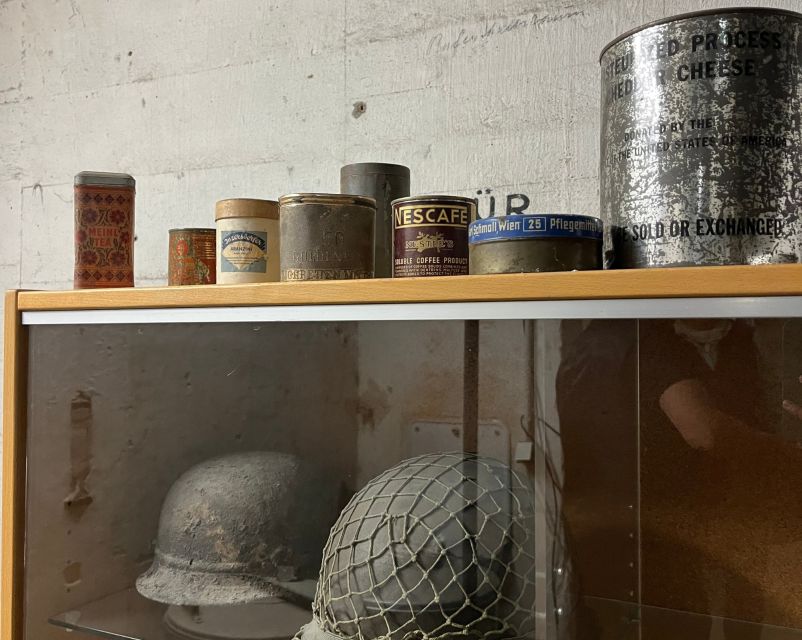
Historical objects are among the tour’s stated highlights. Their value lies not just in being old, but in what they can help you picture: the conditions of shelter life and the routines people relied on during a crisis. The tour offers a chance to see artifacts in the setting where the story took place, rather than meeting them only behind museum glass.
The supplied details do not list the objects individually, so it is wise not to expect a particular artifact or display. Instead, go in ready to look closely at what is there and listen for the guide’s explanation. A well-chosen anecdote can make a modest object or a plain room more memorable than a long list of dates.
The guide also shares stories and anecdotes about wartime life in Vienna. One visitor described hearing accounts passed down from people who lived through the period, and that kind of firsthand recollection can add a human scale to the political narrative. You may hear personal stories, but no particular anecdote is guaranteed on every tour.
From Annexation to Reconstruction
The tour reaches beyond the shelter itself to discuss political and social events in Austria during World War II. The stated themes include the effects of annexation and the challenges of reconstruction. That wider frame is useful because the bunker did not exist in isolation: its purpose belongs to a larger period of upheaval and change.
For you, this context can make the visit more than a look at a wartime structure. It can help link the immediate experience of air raids and sheltering with the political conditions that shaped life in Austria, then with the difficult work of rebuilding afterward. The exact balance of these themes depends on the guide and the flow of the tour.
A strong guide can make these connections in clear sequence, moving from the site to civilian experience and then to broader events. There is some variability in how clearly the story is delivered. One account praised a guide’s explanations and useful anecdotes, while another found the explanation scattered and hard to follow. If you value a tightly structured history lesson, keep that uncertainty in mind.
Candlelight, Mood, and the Guide
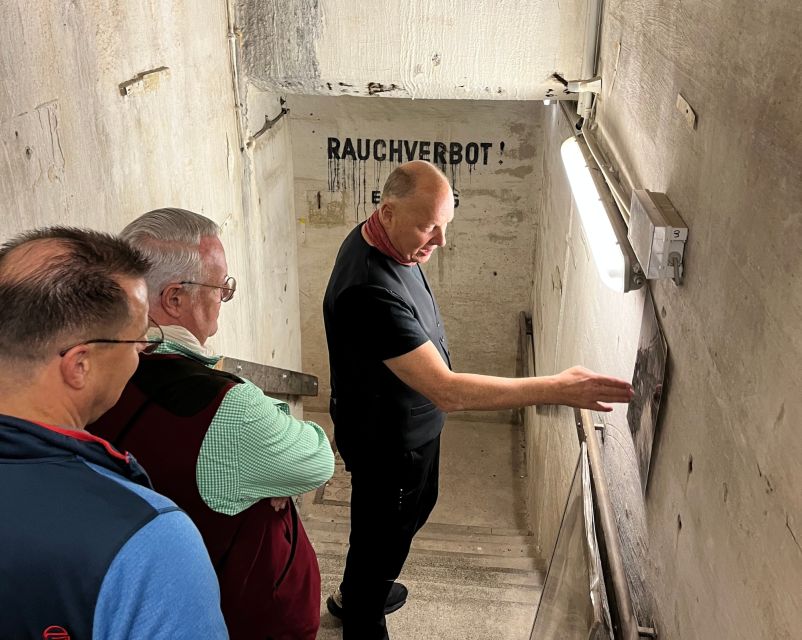
The atmosphere is a notable part of the experience. Candlelight has been used in the bunker, and one visitor found that it helped make the space feel authentic. Low light can sharpen your attention to the surroundings, though it may also make it harder to inspect details. It is worth approaching the lighting as a mood-setting choice, not as a promise of dramatic effects throughout the tour.
The guide’s role matters especially in a space with limited interpretation. The visit includes a live, German-speaking guide, and the best version of this tour depends on clear explanations, good pacing, and stories that connect the objects to the historical setting. When those elements come together, the bunker can make a strong impression.
But guide quality is not a small detail here. The tour relies on spoken interpretation, and one visitor found the explanation disorganized despite the guide being friendly. Another described a clear, engaging account. I would book for the unusual site and the chance to hear its story, while recognizing that the delivery may not be identical from one departure to another.
More guided tours in Vienna:
- Vienna Spanish Riding School Guided Tour
★ 4.7 · 6,765 reviews - Vienna: Guided Walking Tour of City Center Highlights
★ 4.7 · 4,989 reviews - Vienna: Vienna Central Cemetery Guided Walking Tour
★ 4.8 · 3,307 reviews - Vienna: Bus & Schönbrunn Palace Skip-the-Line Guided Tour
★ 4.3 · 2,802 reviews
Is $35 a Fair Price?
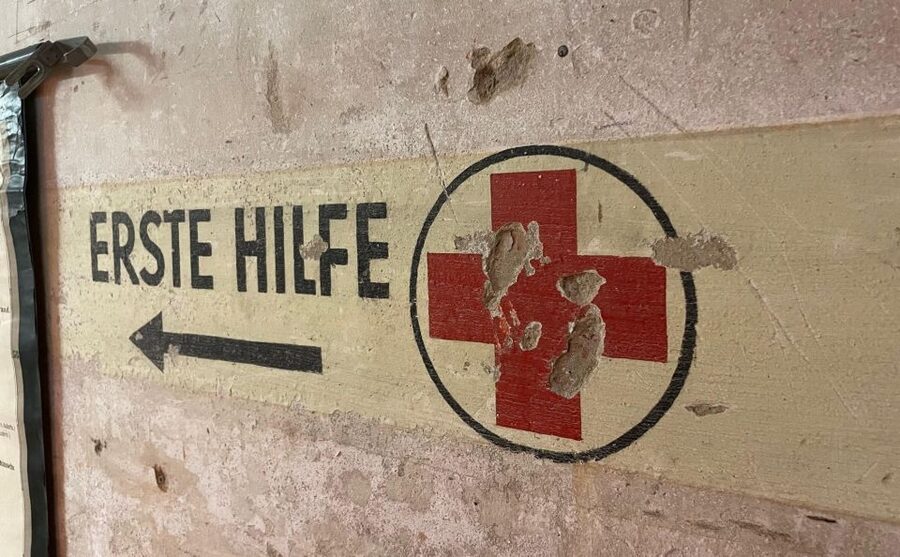
At $35 per person, the tour costs more than a basic museum admission, but the price includes the guided visit and entry to the Museum of Liberation of Vienna 1945–1955. You are paying for access to a bunker that is not normally open to the public, plus a guide to explain the site and its historical context.
The 90-minute duration gives the experience enough time to cover the shelter and the main wartime themes without taking up most of your day. It is a focused addition to a Vienna itinerary, especially if you have already seen the city’s better-known sights and want a closer look at its World War II history.
Value depends on what you want from a tour. If you are interested in wartime history, civilian life, or unusual historic spaces, the price is easier to justify. If you want a broad, museum-style overview in English, this is not the right choice: the tour is in German, and the subject is specific.
Finding the Entrance and Preparing for the Visit
Meet in front of the entrance to the Museum of Liberation of Vienna 1945–1955. The bunker entrance itself can be hard to locate, so do not leave finding the meeting point until the last minute. One visitor specifically wished for better signage. Allowing extra time is a sensible precaution, though the exact amount is up to you.
Wear comfortable shoes. You will be going underground, and the tour is not barrier-free, so it is not suitable for people with mobility impairments. It is also listed as unsuitable for people over 95. If access or stairs are a concern, contact the provider before booking rather than assuming the site will accommodate you.
The tour runs rain or shine. Cameras are not allowed, so plan to leave yours put away and take in the space without photographing it. Food and drinks are not included, and the tour description does not identify any on-site refreshments. The activity lasts 90 minutes, with available start times shown when you check dates.
Booking terms offer some flexibility: you can reserve now and pay later, and cancellation up to 24 hours in advance qualifies for a full refund. The tour uses a separate entrance to skip the line. These are useful conveniences, but the main decision should still be whether the language, subject, and physical setting suit you.
Who Will Get the Most From This Tour
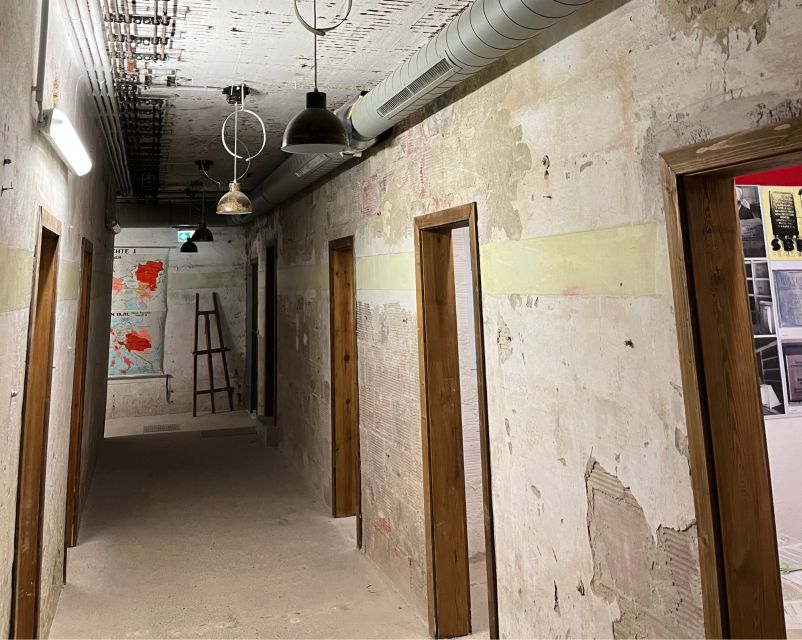
I would put this tour high on the list for anyone with a strong interest in World War II, Austrian history, or the daily realities of civilian life during air raids. It is also a good fit if you like visiting spaces that were built for practical use and still carry traces of that original purpose.
You will get more from the visit if you can understand German. The guide’s explanations are central to the experience, and there is no English-language option listed. If you cannot follow German, the bunker and artifacts may still interest you, but you would miss much of the historical interpretation.
This is not the best choice for someone who needs step-free access, wants a self-guided visit, or expects a large collection of museum displays. The underground setting and no-camera rule also make it a different sort of outing from a standard museum stop. Think of it as a compact, guided encounter with one place and the stories attached to it.
Should You Book the Vienna Bunker Tour?
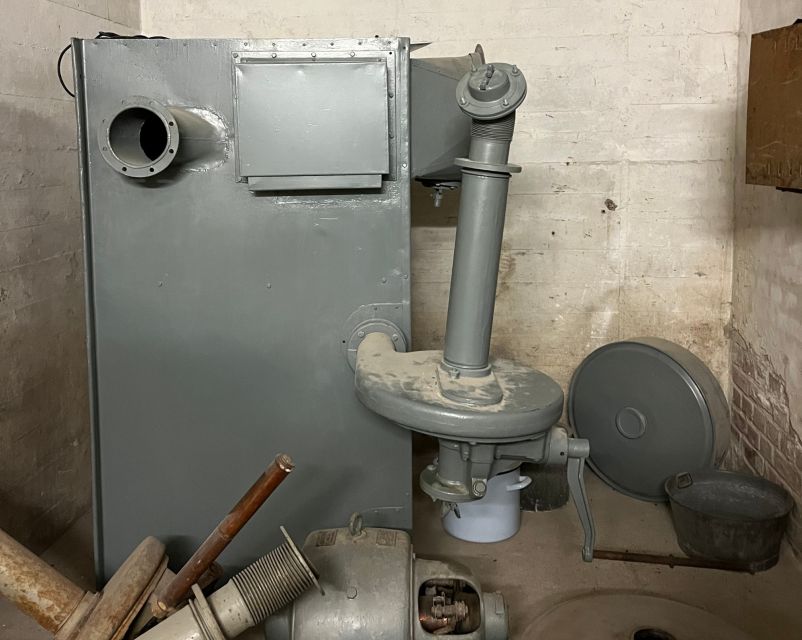
Book if you want to understand wartime Vienna through a real shelter, can follow a German-language guide, and are comfortable with an underground visit that is not barrier-free. The preserved bunker, wartime artifacts, and accounts of civilian life give the 90 minutes a clear purpose, while the discussion of annexation and reconstruction adds needed context.
I would hesitate if your German is limited, if accessibility is essential, or if you need a consistently polished lecture. The guide’s clarity can shape the experience, and the entrance may take a moment to find. For a history-minded visitor who values unusual access over a broad survey, though, $35 buys a focused and tangible piece of Vienna’s past.
FAQ
How long is the tour?
The guided tour lasts 90 minutes.
What language is the tour in?
The live guide speaks German. No other tour language is listed.
Where do I meet the guide?
Meet in front of the entrance to the Museum of Liberation of Vienna 1945–1955.
What is included in the price?
The price includes the guided tour and the entry fee for the Museum of Liberation of Vienna 1945–1955.
Are cameras allowed?
No. Cameras are not allowed on the tour.
Is the tour accessible to people with mobility impairments?
No. The tour is not barrier-free and is listed as unsuitable for people with mobility impairments.
What should I bring?
Wear comfortable shoes.
What happens if it rains?
The tour takes place rain or shine.
Newest tours in Vienna
- Vienna: ‘Armenia In The Heart Of Austria’ Tour★ 5.0 · 6 reviews
- Vienna: Mozart Private Guided Tour★ 5.0 · 4 reviews
- Vienna: Luxury Vintage Fashion Walking Tour★ 3.4 · 8 reviews
- Vienna: Klimt Villa (Gustav Klimt Atelier & Museum) Ticket★ 4.7 · 50 reviews
- Vienna: Kunsthistorisches Museum Guided Tour incl. admission★ 4.9 · 32 reviews
- Vienna: Johann Strauss – Immersive Audiovisual Experience Ticket★ 4.8 · 60 reviews
- Vienna: Kingdom of Railways Museum Entry Ticket★ 3.6 · 50 reviews
- Vienna: KuK Perfumery Filz – Viennese Perfume Tasting★ 4.3 · 23 reviews
Vienna Tours, compared.
Vivaldi’s Four Seasons Concert in Karlskirche
Read our review →
Skip-the-cashier-desk-line Giant Ferris Wheel Ride
Read our review →
Schönbrunn Palace & Gardens Skip-the-Line Tour
Read our review →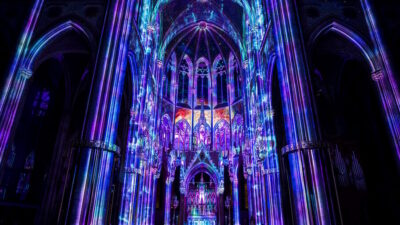
Light of Creation Votive Church Immersive Light Show
Read our review →
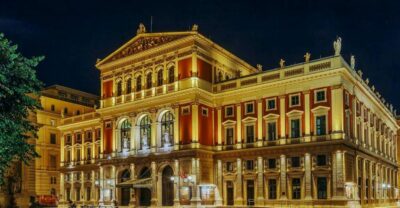
Classical Concert in the World-Famous Musikverein
Read our review →