
Reviewed · VIENNA MUSEUM TICKETS
Vienna: Kunsthistorisches Museum Guided Tour incl. admission
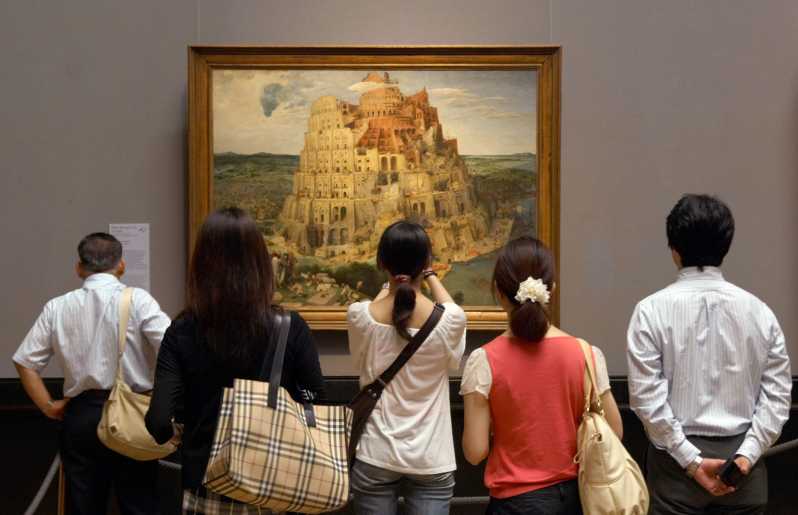
Bruegel’s Tower of Babel, Vermeer’s The Art of Painting and Cellini’s gold Saliera make an unusual trio, and all are part of this 135-minute introduction to Vienna’s Kunsthistorisches Museum. I like that the tour pairs famous paintings with the stranger treasures of the Kunstkammer, and that a group of 15 people or fewer gives you room to listen and ask questions.
I also like that your ticket lets you stay after the guided portion and explore more of the museum at your own pace. One consideration: the tour involves walking through the galleries and is not suitable for wheelchair users or people with mobility impairments. At $116 per person, it is best value if you want a guide to help make sense of the collection, not simply a ticket to enter.
At a glance
- Two sides of the museum: The route takes in the picture gallery and the Kunstkammer, with paintings by Bruegel, Vermeer, Raphael and others alongside rare objects such as the Saliera.
- A small group: The tour has a maximum of 15 people. Some departures may be smaller, and past groups have occasionally been private when only one or two people booked.
- 135 minutes with a guide: The English-language tour runs for about two hours and 15 minutes, a focused introduction rather than a full museum visit.
- Stay after the tour: Your admission includes time to explore the rest of the museum independently, including its ancient Greek, Roman and Egyptian collections.
- Meet outside the entrance: Find your guide at the right end of the stairs, beside the group ticket counter, Container 2. Look for an Austria Guide badge and arrive 15 minutes early.
- A few limits to plan for: Temporary exhibitions are not included, and the tour requires at least four participants to run.
A palace-like setting for Habsburg art
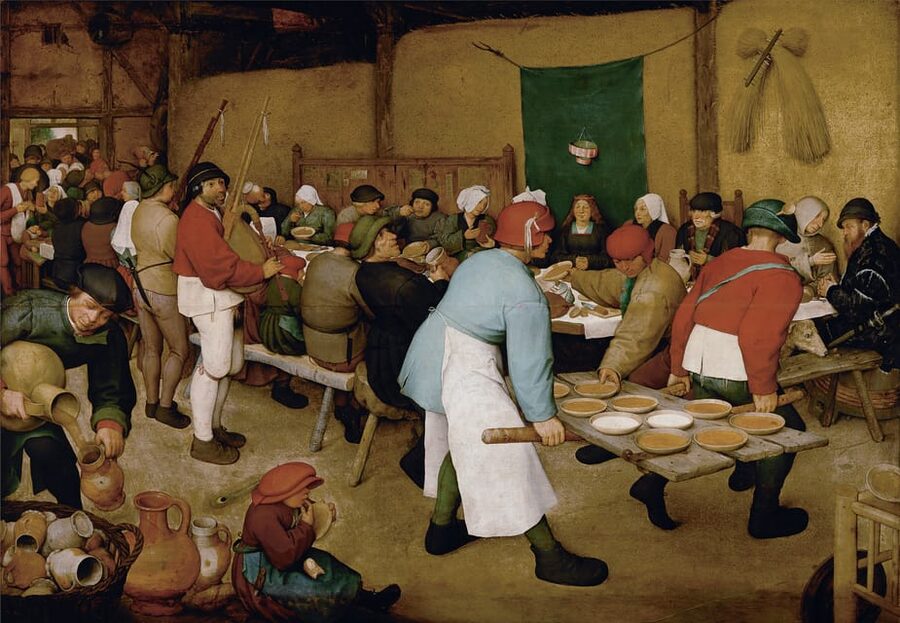
The Kunsthistorisches Museum is more than a place to tick off famous paintings. Its collection grew from the art holdings of the Habsburgs, the dynasty that ruled Austria for centuries, so the museum offers a close look at the taste and collecting habits of one of Europe’s great royal houses.
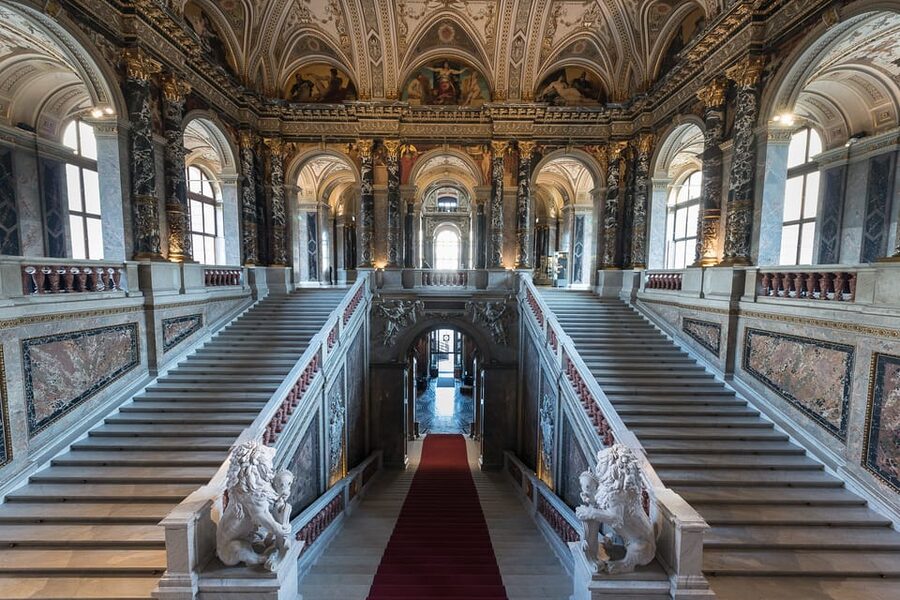
That background matters. You are not just moving from one celebrated canvas to the next. The museum’s paintings, decorative objects and antiquities tell different parts of a story about what rulers valued, collected and displayed. Even the building itself makes the visit feel like a formal occasion, with grand rooms that suit a collection assembled for an imperial court.
A guide helps you turn a long list of artists and objects into a visit with a clear shape. In two hours and 15 minutes, you get an introduction to two key parts of the museum: the picture gallery and the Kunstkammer. This is a good way to get your bearings if the size of the collection feels daunting, or if you want to understand why a work matters rather than simply recognize its name.
The trade-off is time. The tour focuses on selected works and rooms, not every gallery in the museum. Think of it as a guided first chapter, with the option to continue on your own afterward.
More museum visits in Vienna:
- Vienna: Skip-the-Line Sisi Museum, Hofburg and Gardens Tour
★ 4.8 · 5,918 reviews - Vienna Kunsthistorisches Museum Day Admission Ticket
★ 4.6 · 3,690 reviews - Tickets for the Albertina Exhibitions
★ 4.7 · 2,126 reviews
The picture gallery: familiar names, closer looking
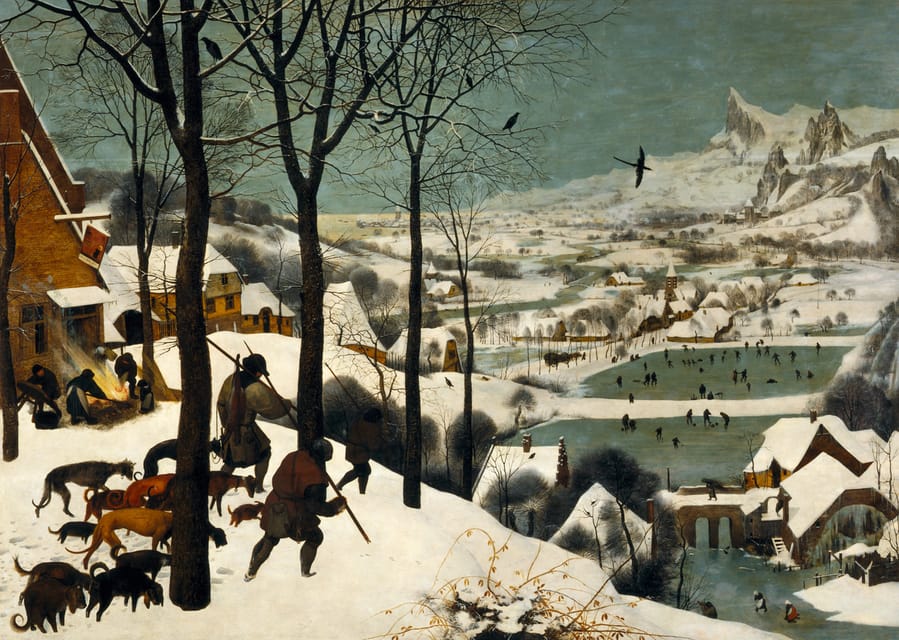
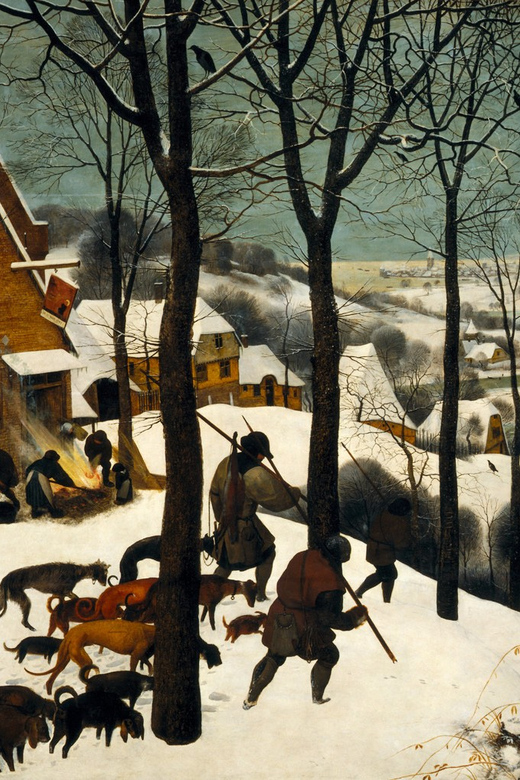
The first major part of the visit is the picture gallery, where you can encounter painters whose names are familiar even if their works are not. Raphael, Rembrandt, Vermeer, Rubens and Peter Bruegel the Elder are among the artists represented. The tour’s value lies in connecting these paintings to their period and purpose, and in helping you notice details that are easy to miss when you are moving through a museum alone.
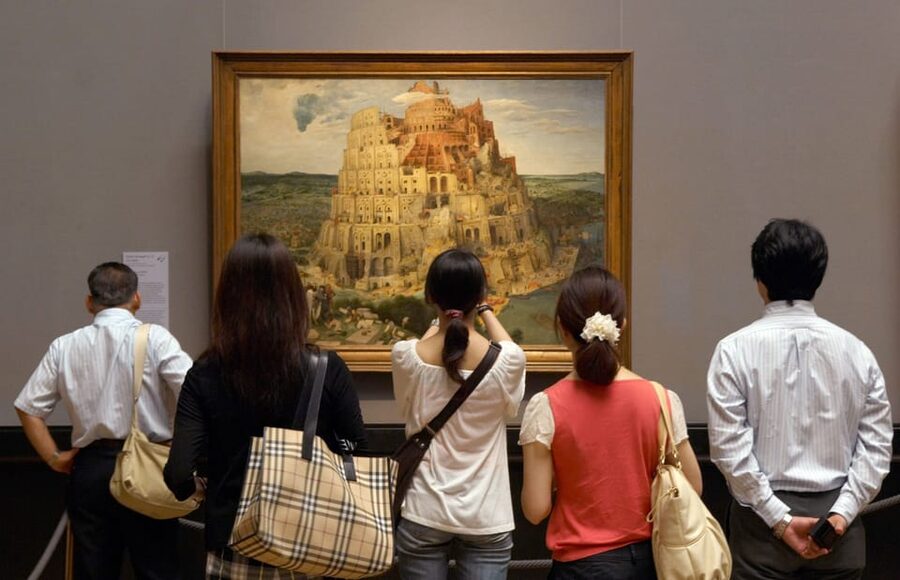
Bruegel’s Tower of Babel is one of the planned highlights. The subject gives a guide a natural way to discuss the painting’s story and the many details packed into it. You can expect the work to be part of a broader look at the gallery rather than a visit devoted to one painting alone.
Vermeer’s The Art of Painting offers a different kind of encounter. Its quiet, carefully arranged scene rewards close attention, and a guide can explain how the painting works as an image as well as what it depicts. If you enjoy learning how an artist builds a composition, this is one of the stops likely to make the tour feel more than a fast parade of masterpieces.
Other works that may feature include Rubens’s Assumption, Caravaggio’s Crowning with the Thorns, Albrecht Dürer’s Avarice, Raphael’s Madonna of the Meadow and Rembrandt’s Self Portrait. The selection can vary if a work is on loan or undergoing restoration, so treat the list as a guide to the collection, not a guarantee that every painting will be on view.
This part of the tour suits you especially well if you want context for major works without spending the whole day in front of them. Nigel described his guide Tolga’s choices as entertaining and educational, and found the length just right. Other visitors singled out guides Dieter, Cornelia, Brenda and Achim for lively explanations, clear storytelling and the ability to answer questions. That range of guide names suggests the individual guide shapes the experience, but the common thread is an emphasis on making the art understandable and engaging.
The Kunstkammer: beautiful, odd and made to be examined
The second key section is the Kunstkammer, a collection of rare and unusual objects gathered by Habsburg rulers. It provides a welcome change of pace from the picture gallery. Instead of focusing mainly on large paintings, you are looking at objects that invite closer inspection and raise questions about craftsmanship, materials and why someone might have treasured them.
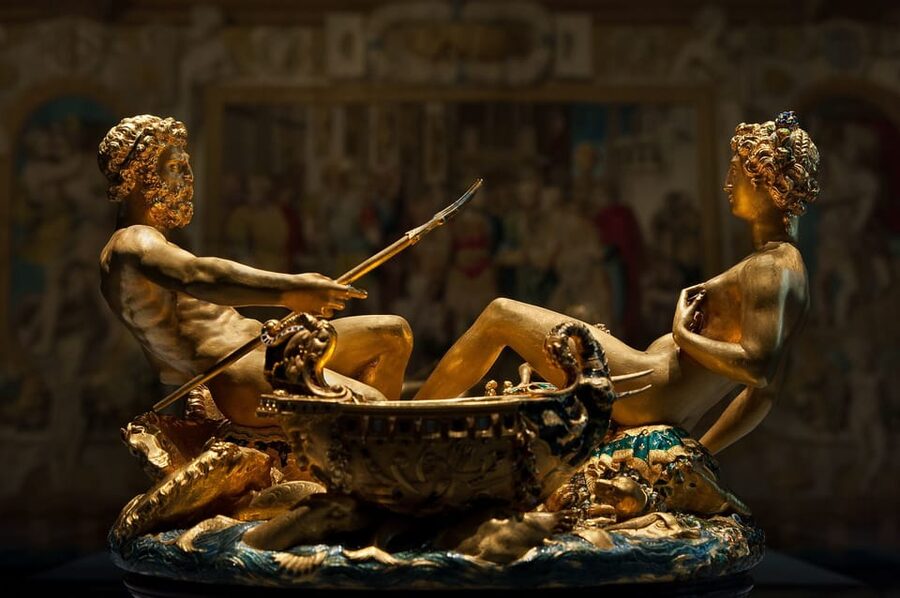
The most famous object here is the golden Saliera, made by Benvenuto Cellini. Its detail and precious material make it an obvious showpiece, but the Kunstkammer is also rewarding because it includes items that are less instantly familiar. The Madonna of Krumau is another named highlight, and the collection’s mix of art and curious objects helps explain why the museum is not only a destination for painting enthusiasts.
I would make room in your expectations for this part of the tour. If you arrive focused only on the big-name canvases, you could miss one of the museum’s most distinctive collections. Georgi, who compared the museum favorably with major institutions including the Louvre and the Prado, found the Kunstkammer especially fascinating. The contrast between masterpieces made for a picture gallery and rare objects collected for an imperial cabinet gives the visit a broader sense of what art collecting can mean.
What 135 minutes gives you, and what it does not
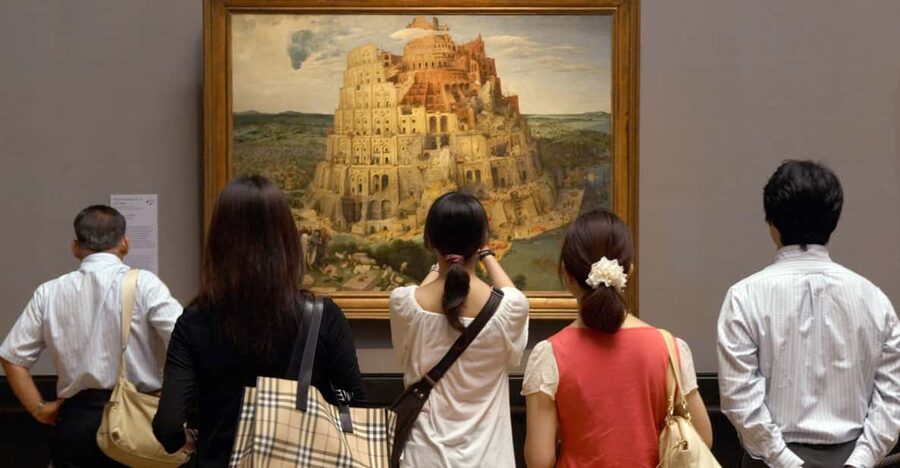
A guided tour of this length is a practical middle ground. It is long enough to cover two distinct collections and several important works, but short enough to leave you with energy to continue exploring. The group limit of 15 also matters: a smaller group makes it easier to hear the guide and ask a question without turning every stop into a crowd scene.
The group may be smaller than the maximum. Some people have found themselves in a group of two, or even on a private tour when no other participants booked. That can make it easier for the guide to adapt the route and discussion to your interests. Alona, for example, was able to shape the visit around specific preferences with a very small group. But you should not book expecting a private tour; the maximum is fixed, while the actual number of people can vary.
The guides’ different backgrounds can also add useful angles. Achim is an artist, and one person valued his perspective on the paintings; Dieter’s explanations included both art history and technical aspects of the works. These are examples of what an engaging guide can bring, not a promise that you will have a particular guide. The provider is Vienna à la carte, and the tour is conducted in English.
The focus on highlights does mean you will not cover the whole museum with the guide. If you want to study one painter in depth or see every gallery, this format may feel brisk. But because you can remain inside after the tour, you can return to a favorite room or explore at a slower pace. The included entry also covers the museum’s permanent collections, while temporary exhibitions are not part of the tour.
More guided tours in Vienna:
- Vienna Spanish Riding School Guided Tour
★ 4.7 · 6,765 reviews - Vienna: Guided Walking Tour of City Center Highlights
★ 4.7 · 4,989 reviews - Vienna: Vienna Central Cemetery Guided Walking Tour
★ 4.8 · 3,307 reviews - Vienna: Bus & Schönbrunn Palace Skip-the-Line Guided Tour
★ 4.3 · 2,802 reviews
Is $116 a fair price?
At $116 per person, this is a substantial cost compared with visiting a museum independently. The price includes admission and a professional guide, and the tour skips the ticket line. You are paying for a focused introduction, access to a small-group format and the chance to put the collection in context, not just for a way through the entrance.
The value depends on how you like to visit museums. If you enjoy asking questions, hearing stories and understanding why a painting or object matters, the guided format can make the price worthwhile. Several people described the experience as worth the cost, especially when the guide combined humor, clear explanations and room for questions. If you prefer to wander quietly or already know the collection well, buying admission separately and exploring on your own may suit you better.
Remember that the tour is 135 minutes, not a full day with a guide. Its strongest value is as an orientation to the museum’s major works and two central collections. Staying afterward lets you get more from the entry fee, especially if ancient Greek, Roman or Egyptian art is also on your list.
Meeting point, bags and other useful details
Meet outside the Kunsthistorisches Museum Wien at Maria-Theresien-Platz. Stand at the right end of the stairs leading to the entrance, next to the group ticket counter marked Container 2. Your guide wears a red-white-red Austria Guide badge. Arrive at least 15 minutes before the start so you have time to find the group.
Bring photo identification for anyone aged 0 to 18, as it may be needed at the security check. Umbrellas, backpacks and raincoats must go in the cloakroom and cannot be taken into the museum. You can take photos without flash.
The tour requires a minimum of four participants. If that number is not reached, you will be offered another date or a full refund. You can cancel up to 24 hours before the tour for a full refund, and the reserve-now, pay-later option gives you flexibility when finalizing plans.
Who should book this museum tour?
I would book it if you want a clear, engaging introduction to the Kunsthistorisches Museum and would rather hear a guide connect the pictures and objects than navigate the collection alone. It is particularly suited to art lovers who want to see major painters but are also curious about the Kunstkammer’s rare and unusual pieces.
It is less suitable if you need step-free access or use a wheelchair, since the tour is not designed for people with mobility impairments. It may also be a poor fit if you want a private guide guaranteed, a detailed study of one artist, or a visit focused on temporary exhibitions.
For most people who enjoy learning as they look, the combination is the draw: Bruegel and Vermeer in the picture gallery, the golden Saliera and other intriguing objects in the Kunstkammer, then time to keep exploring on your own. If that sounds like your kind of museum day, the guided tour is a good way to begin.
FAQ
How long does the tour last?
The tour lasts 135 minutes, or about two hours and 15 minutes.
What language is the tour in?
The live tour guide speaks English.
How large is the group?
The group has no more than 15 people. The actual group may be smaller.
Which parts of the museum does the guided tour cover?
The tour visits two key collections: the picture gallery and the Kunstkammer.
Which artworks might I see?
Possible highlights include Bruegel’s Tower of Babel, Vermeer’s The Art of Painting, Caravaggio’s Crowning with the Thorns, Raphael’s Madonna of the Meadow and Rembrandt’s Self Portrait. Works may be unavailable if they are on loan or being restored.
Can I stay in the museum after the tour?
Yes. You can remain in the museum after the guided tour to explore other collections, including ancient Greek, Roman and Egyptian art.
Are temporary exhibitions included?
No. Temporary exhibitions are not included.
Where do I meet the guide?
Meet outside the museum at the right end of the entrance stairs, beside the group ticket counter, Container 2. Look for a red-white-red badge marked Austria Guide.
Can I take photos inside?
Yes. Photography without flash is permitted.
Is the tour suitable for wheelchair users?
No. The tour is not suitable for wheelchair users or people with mobility impairments.
Newest tours in Vienna
- Vienna: ‘Armenia In The Heart Of Austria’ Tour★ 5.0 · 6 reviews
- Vienna: Mozart Private Guided Tour★ 5.0 · 4 reviews
- Vienna: Klimt Villa (Gustav Klimt Atelier & Museum) Ticket★ 4.7 · 50 reviews
- Vienna: Luxury Vintage Fashion Walking Tour★ 3.4 · 8 reviews
- Vienna: Johann Strauss – Immersive Audiovisual Experience Ticket★ 4.8 · 60 reviews
- Vienna: Kingdom of Railways Museum Entry Ticket★ 3.6 · 50 reviews
- Vienna: KuK Perfumery Filz – Viennese Perfume Tasting★ 4.3 · 23 reviews
- Vienna: Highlights Private Tour, Palaces & Sacher Cake★ 3.8 · 5 reviews
Vienna Museum Tickets, compared.

Skip-the-Line Sisi Museum, Hofburg and Gardens Tour
Read our review →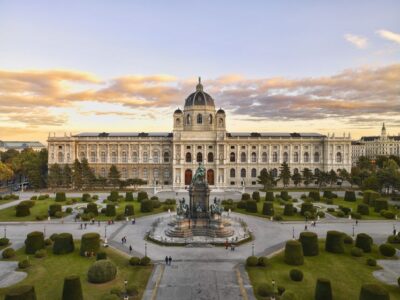
Vienna Kunsthistorisches Museum Day Admission Ticket
Read our review →

Chocolate Workshop in Chocolate Museum w/ Tasting
Read our review →
St. Stephen’s Cathedral & Dom Museum Wien Tickets
Read our review →

Browse the lists this tour appears in