
Reviewed · VIENNA MUSEUM TICKETS
Vienna Kunsthistorisches Museum Day Admission Ticket
The Kunsthistorisches Museum is more than a parade of famous paintings. Emperor Franz Joseph built it to hold the imperial collections, and its grand rooms, marble staircase and ceiling paintings are part of the visit, not just the route between exhibits. Inside, you can move from Egyptian antiquities to Renaissance art, then pause over treasures made for an imperial court.
I especially like two things here: the collection puts artists such as Rubens, Rembrandt, Raphael and Velázquez under one roof, and the building itself is a highlight, from its imposing staircase to its ornate café. The mix of paintings, antiquities and fine objects gives you more variety than a gallery-only visit.
The trade-off is scale. You can spend four or five hours here and still leave things unseen, so this is not a quick stop between appointments. Also, the online voucher must be exchanged for a physical ticket at the museum before entry, a small but important step to get right.
What to know before you go
- Plan for several hours: The museum is large, and seeing its major collections at a relaxed pace can take four to five hours.
- Look up at the staircase: Gustav Klimt collaborated on a series of paintings decorating the grand interior.
- Expect more than paintings: Ancient Egyptian and classical antiquities sit alongside European art, sculpture, ivory work and precious objects.
- Buy the audio guide if you like context: It costs extra, but helps explain selected works and details you might otherwise pass by.
- Exchange your printed voucher first: Take it to the voucher or group-ticket booth outside the entrance to receive the actual admission ticket.
- Check who needs to pay: Children and young people under 19 generally enter free, so buying a separate paid ticket may not be necessary.
Start with the building, not just the collection
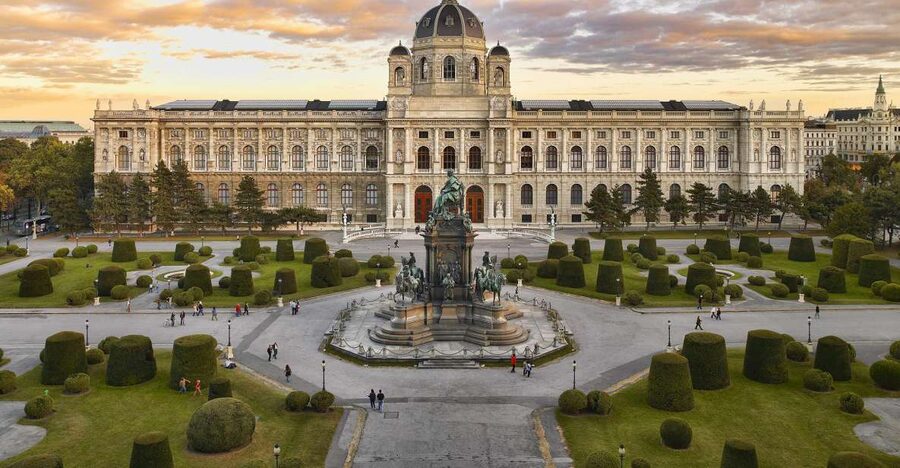
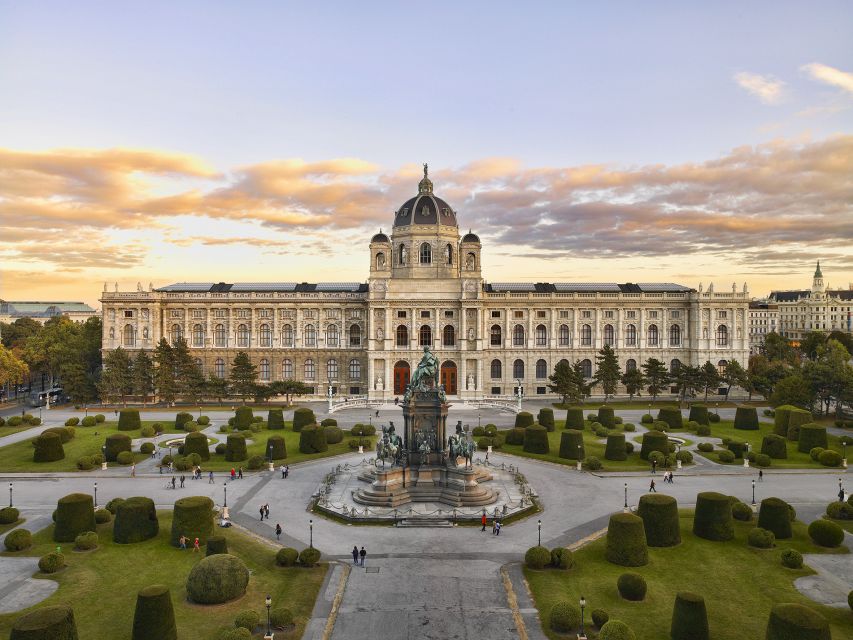
The Kunsthistorisches Museum occupies a monumental building on Maria-Theresien-Platz, built under Emperor Franz Joseph to display the Habsburg imperial collections. That origin matters. This is not simply a collection assembled for a modern museum; the rooms and architecture were designed to give imperial objects a fitting home.
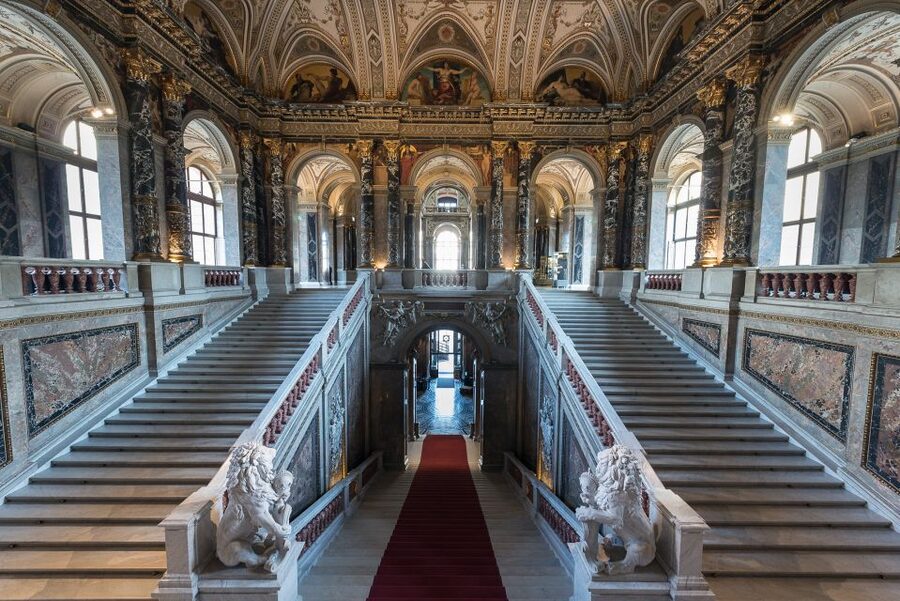
As you enter, take time to notice the interior. The museum’s imposing staircase is among the most memorable parts of the visit, and paintings made with Gustav Klimt’s collaboration add another layer to the decoration. It is worth looking up before you settle into the galleries. A visitor focused only on the wall labels could miss one of the building’s finest features.
The museum is also a useful choice on a rainy day or during hot weather. Its indoor galleries let you spend a long stretch away from the elements, and one visitor specifically praised the climate control during very hot weather. The scale does mean a lot of walking, though. The building has stairs, so if you need step-free access, check the accessible route with the museum before your visit. The museum lists the experience as wheelchair accessible, but the available details do not specify the route.
More museum visits in Vienna:
- Vienna: Skip-the-Line Sisi Museum, Hofburg and Gardens Tour
★ 4.8 · 5,918 reviews - Tickets for the Albertina Exhibitions
★ 4.7 · 2,126 reviews - Vienna: Chocolate Workshop in Chocolate Museum w/ Tasting
★ 4.5 · 1,802 reviews
Ancient Egypt and classical antiquity
The collections begin far earlier than the European paintings many people come to see. You can explore objects from ancient Egypt and classical antiquity, a change of pace that makes the museum feel broader than a conventional picture gallery.
The Egyptian displays are a particular draw, and the Roman antiquities have their own following. These sections give you a chance to look at objects from different cultures and periods before moving into the later European collections. If you have a strong interest in ancient history, allow time rather than treating these rooms as a quick prelude to the paintings.
A little care is useful around fragile objects. Follow the gallery rules and give displays room. If you are visiting with children, this is a good place to slow down and talk about what an object was made for, rather than trying to turn every room into a checklist.
The collection is extensive, and the museum’s own time span reaches from ancient Egypt and classical antiquity through the late 18th century. You do not need to see every object to make the visit worthwhile. Choose the periods or subjects that interest you most, then leave room for a few unexpected discoveries.
The Picture Gallery and its celebrated painters
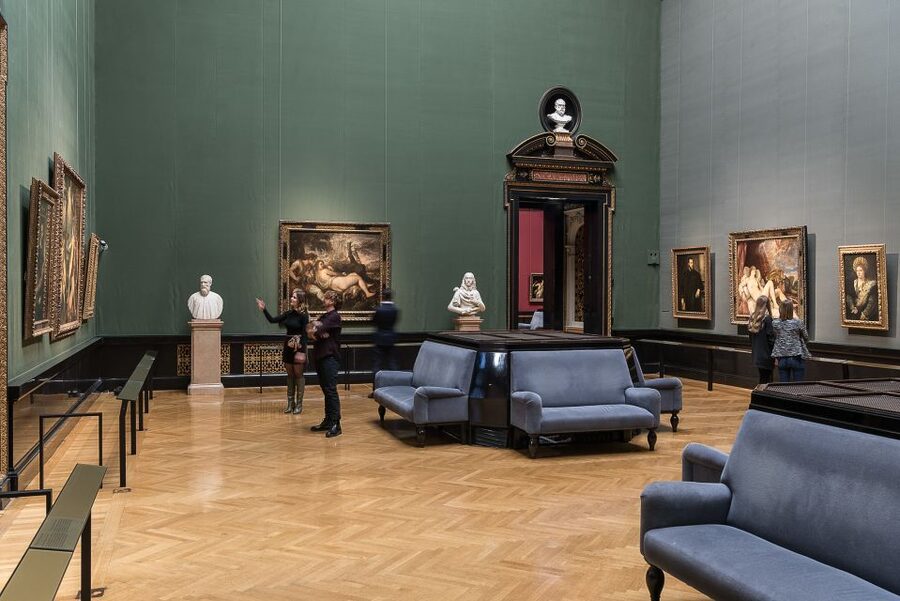
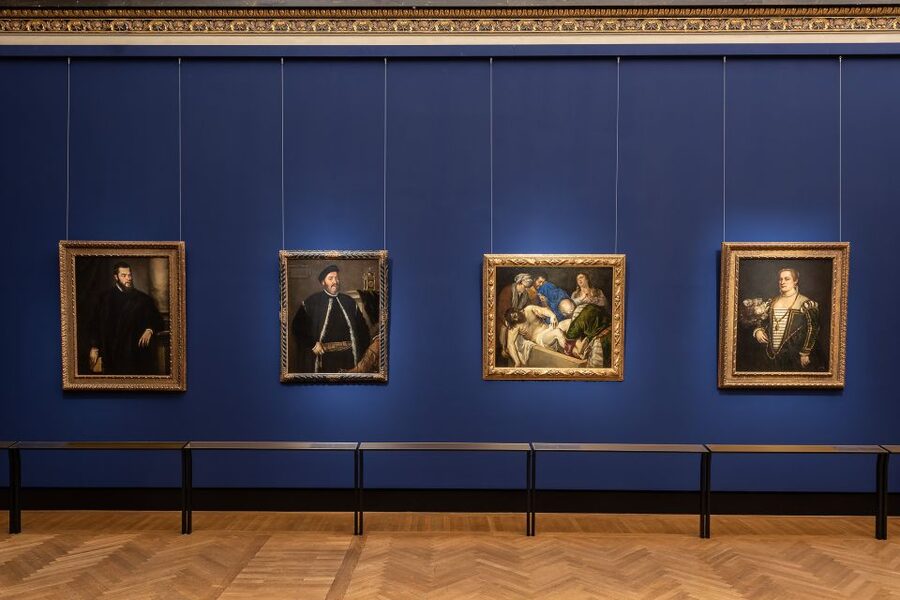
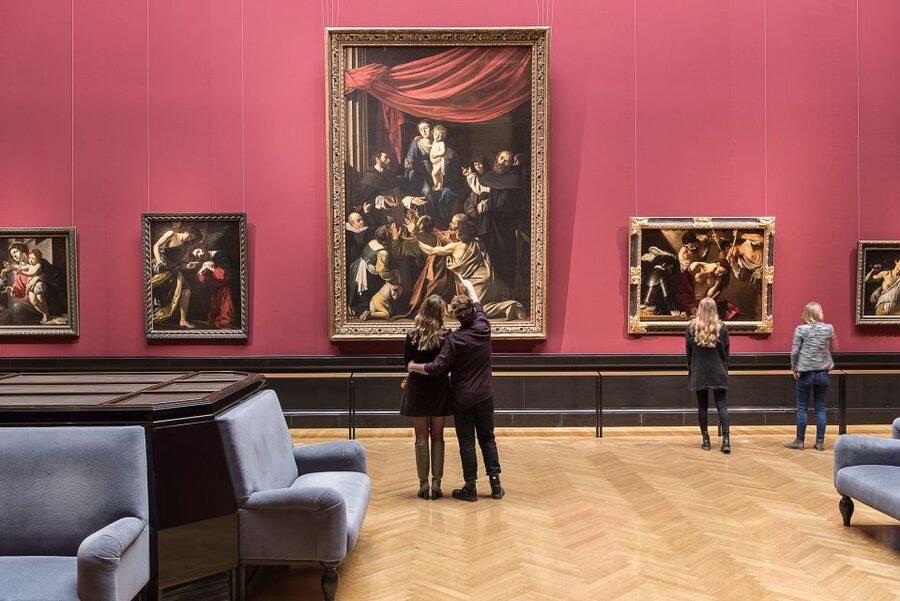
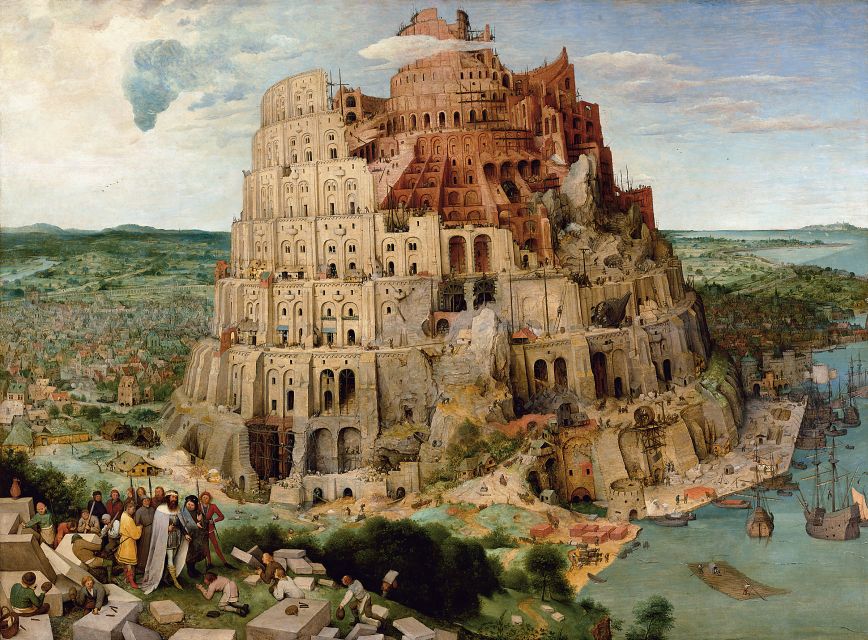
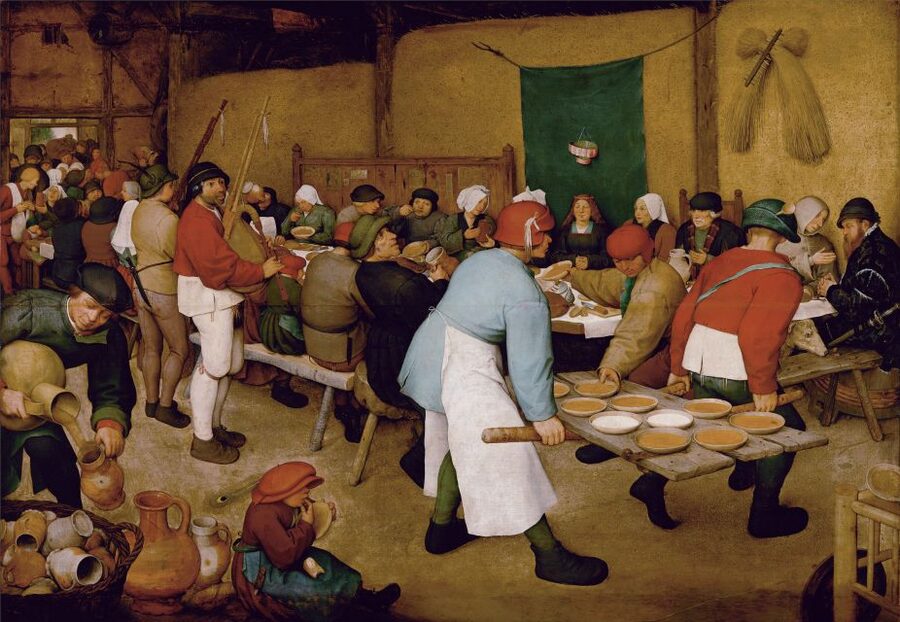
The Picture Gallery is the main event for many art lovers. Here you can see work by Rubens, Rembrandt, Raphael, Vermeer, Velázquez, Titian and Dürer, among other major European artists. Seeing these names gathered in one place is a strong reason to make room for the museum in a Vienna itinerary.
The experience is not just about ticking off famous artists. Take time to compare how different painters handle faces, light, movement and detail. Rubens’s work can command a room; Rembrandt rewards a closer look; and a Raphael offers a quieter kind of pleasure. You can sit down in front of at least some works, which makes it easier to give a painting more than a passing glance.
If you have a favorite artist, plan around that interest. One visitor found a Raphael especially rewarding from a nearby sofa, while others singled out the Rubens and Rembrandt galleries. The museum is too large to approach every room with equal attention, so deciding on a few priorities can make your visit more satisfying.
The displays also make this a good museum for a first encounter with European painting. You can follow a broad sweep from the Renaissance toward later periods without changing venues. But the number of works can become tiring. When your attention starts to blur, take a break rather than rushing through another gallery simply to say you saw it.
Kunstkammer treasures and imperial objects
The Kunstkammer offers a different kind of looking. Instead of large canvases, expect refined objects, sculpture and finely worked materials, including ivory pieces and work by goldsmiths such as Benvenuto Cellini. These objects show the skill and ambition of artists who worked on a smaller scale than the famous painters.
This section is especially worthwhile if you enjoy craftsmanship. Look closely at the material, the precision of the carving and the way an object combines practical use with display. The appeal is not always immediate, particularly if you came mainly for paintings, but a little patience can reveal why these pieces were prized.
The museum also presents jewels and diamonds, including parts of Empress Elisabeth’s original jewelry. Treasures associated with legends, such as the Holy Grail or the horn of the unicorn, add a more curious note to the visit. Treat those names as part of the objects’ stories and associations, not as proof of a literal connection to the legends.
There are also automata in the collection. If these mechanical objects interest you, make a point of finding them and check what is on display during your visit. The information available does not promise that every automaton will be operating, so do not build your schedule around seeing a particular one move.
More tickets and passes in Vienna:
- Vienna: Classic Ensemble Vienna in St. Peter’s Church Ticket
★ 4.7 · 4,819 reviews - Vienna: Tickets for Mozarthaus Vienna with Audio Guide
★ 4.2 · 2,344 reviews - Vienna: Skip-the-Line Entrance Ticket to the Danube Tower
★ 4.5 · 2,303 reviews - Sigmund Freud Museum Ticket
★ 4.6 · 1,668 reviews
The café and a sensible break
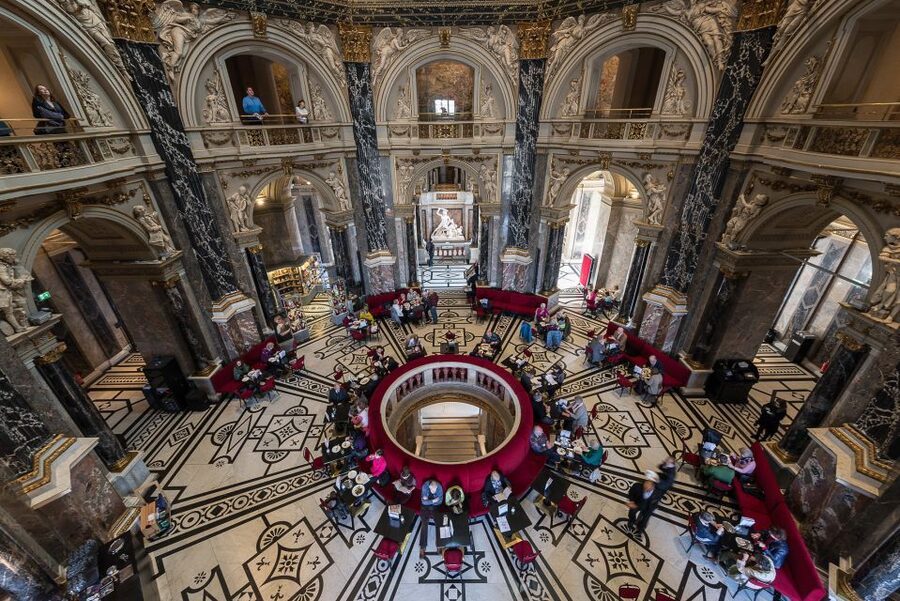
The museum café is worth noticing even if you are not planning a full meal. Its setting is part of the building’s appeal, and it offers a welcome place to rest during a long visit. A coffee and cake break can be a better use of time than pushing through the galleries after your concentration has run out.
Do plan for the cost. Food and drink were described as expensive, so budget accordingly if you expect to eat there. The café can also have a wait for a table, especially when you arrive at a popular time. If you want to pause there, be flexible about when you take your break.
For a day of museum-going, arriving fed and bringing water are practical choices. They help you avoid spending your attention on hunger or thirst halfway through the collection. The café’s ornate setting is a treat, but you do not need to make it the centrepiece of the visit.
How long to stay and how to pace the visit
The ticket is valid for one day, but that does not mean you need to see every room. Two hours can give you a taste of the museum, while three or more makes room for the major galleries and a break. If you want to explore the collections closely, set aside four or five hours. Even a full day may not be enough to examine everything.
Before you enter, decide what matters most to you. You might choose the Picture Gallery and the Egyptian collection, or focus on the Kunstkammer and the building’s interior. Keep a short list of priorities and treat the rest as optional. That approach turns a potentially overwhelming visit into one with a clear shape.
An audio guide is available for an extra fee. The ticket information gives the price as €5 per guide or €7 for two, though the exact amount may vary. If you enjoy learning context as you go, the added cost can be worthwhile: it draws attention to details in selected paintings and explains aspects of the building and collection. If you prefer to wander at your own pace, the guide is optional.
The museum is not presented as a guided tour with a named guide. You are buying admission, and the audio guide is a separate add-on. The activity details describe a small group limited to 10 participants, but do not identify a tour leader or provide a guided route, so plan for a self-directed visit.
Ticket exchange, cost and access
At about $25 per person, admission is good value if you have the time to make use of it. The museum’s collection, grand interior and range of periods give the ticket more than one point of interest. If you stay for several hours, the price works out well compared with a brief attraction visit. The value is less compelling if you only have time for a quick walk through.
The online voucher is not the same as the entry ticket. Print it and exchange it at the voucher or group-ticket booth outside the museum before trying to enter. This is the detail most likely to trip you up: going straight to the entrance with only the voucher can mean joining a queue and then having to retrace your steps.
The museum is at Maria-Theresien-Platz in Vienna’s 1010 district. The ticket is valid for one day, and available starting times should be checked when booking. Free cancellation is offered up to 24 hours in advance, and the booking can be reserved with payment deferred, according to the activity details.
Children and young people under 19 generally have free admission. School groups under 19 must be registered with the museum’s booking department, without exception. For adult groups, the free guide-place rules depend on group size: one accompanying guide may enter free for groups of more than 10, while guides in smaller groups pay as participants. State-certified tourist guides generally enter free.
Who should book this museum ticket?
This is a strong choice if you enjoy painting, imperial interiors, historic objects, or a mix of all three. It also suits a rainy-day plan, a family visit with younger people who may qualify for free entry, or anyone who wants to spend a substantial part of a day in one museum.
It may be less suitable if you want a short, low-effort stop. The museum is large, there is a lot of walking, and the most rewarding visit takes time. If you are mainly interested in a single artist or collection, plan your route around that focus rather than expecting to see everything.
I would book if you can give the museum at least a few hours and are happy to explore independently. Print the voucher, exchange it at the right booth, and consider the audio guide if you want added context. If your schedule is tight, choose a smaller set of galleries and accept that the rest will have to wait for another visit.
FAQ
How much does the Kunsthistorisches Museum admission ticket cost?
The listed price is $25 per person. The ticket information says it covers entrance to the museum.
How long is the ticket valid?
The admission ticket is valid for one day.
How much time should I plan for my visit?
You can see some of the museum in a couple of hours, but four to five hours is a sensible allowance if you want to explore more of the collections. The museum is large, and seeing everything may take longer.
Is an audio guide included?
No. The audio guide is not included with the entrance ticket. The stated price is €5 for one guide or €7 for two.
Do I need to exchange my printed voucher?
Yes. Exchange the printed voucher for the actual ticket at the voucher or group-ticket booth outside the museum before going to the entrance.
Do children under 19 pay admission?
Children and young people under 19 generally receive free admission. School groups under 19 must be registered through the museum’s booking department.
Is the museum wheelchair accessible?
The activity information lists the museum as wheelchair accessible. The available details do not describe the route, so check access arrangements with the museum if you need specific information.
What collections can I see?
The museum includes ancient Egyptian and classical antiquities, a Picture Gallery with works by artists such as Rubens and Rembrandt, and the Kunstkammer’s fine objects, sculpture and ivory work. Its collections span through the late 18th century.
Can I cancel the booking for a refund?
Yes. You can cancel up to 24 hours in advance for a full refund.
Newest tours in Vienna
- Vienna: ‘Armenia In The Heart Of Austria’ Tour★ 5.0 · 6 reviews
- Vienna: Mozart Private Guided Tour★ 5.0 · 4 reviews
- Vienna: Klimt Villa (Gustav Klimt Atelier & Museum) Ticket★ 4.7 · 50 reviews
- Vienna: Kunsthistorisches Museum Guided Tour incl. admission★ 4.9 · 32 reviews
- Vienna: Luxury Vintage Fashion Walking Tour★ 3.4 · 8 reviews
- Vienna: Johann Strauss – Immersive Audiovisual Experience Ticket★ 4.8 · 60 reviews
- Vienna: Kingdom of Railways Museum Entry Ticket★ 3.6 · 50 reviews
- Vienna: KuK Perfumery Filz – Viennese Perfume Tasting★ 4.3 · 23 reviews
Vienna Museum Tickets, compared.

Skip-the-Line Sisi Museum, Hofburg and Gardens Tour
Read our review →

Chocolate Workshop in Chocolate Museum w/ Tasting
Read our review →
St. Stephen’s Cathedral & Dom Museum Wien Tickets
Read our review →


Browse the lists this tour appears in