Reviewed · VIENNA TOURS
Vienna – the making of a Weltstadt – guided Citytour
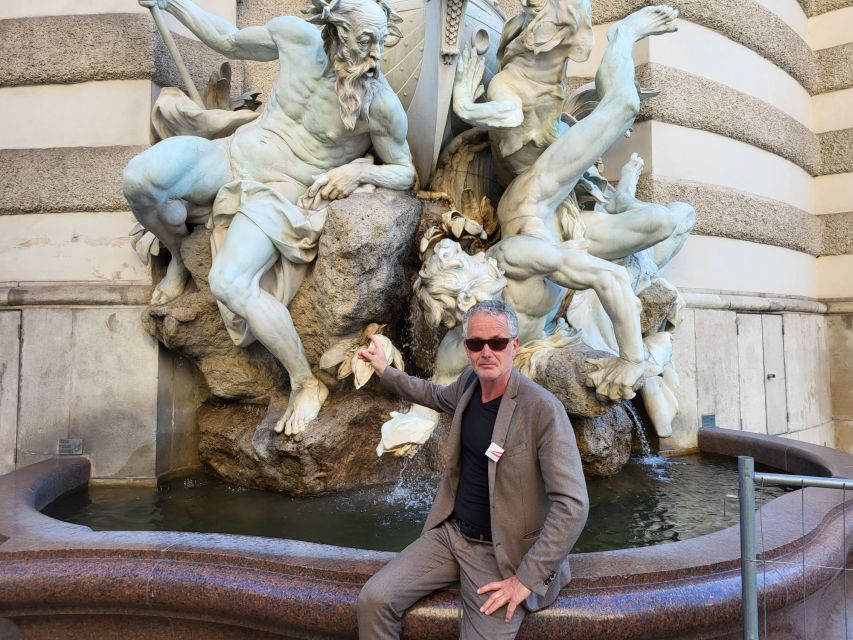
Vienna’s grand center makes more sense when you follow its story on foot. This two-hour walk links the old city’s landmarks to the rulers, artists, and changing eras that shaped them, from the Roman fort to the 19th-century metropolis.
I like two things in particular: the guide connects buildings to the history unfolding around them, and the route pairs major sights such as the Hofburg with smaller squares and streets you might otherwise pass without a second glance. Christian Grausam leads the tour, and the language is German.
The main consideration is that this is a brisk walking tour, not an accessible option for people with mobility impairments. It also runs rain or shine, so dress for the forecast and wear comfortable shoes.
What makes this Vienna walk useful
- A citywide story in two hours: Follow Vienna’s development from a small Roman fort to a major Central European metropolis.
- The Hofburg in context: Learn why Vienna’s role as a residential city mattered, rather than seeing the palace as just another impressive façade.
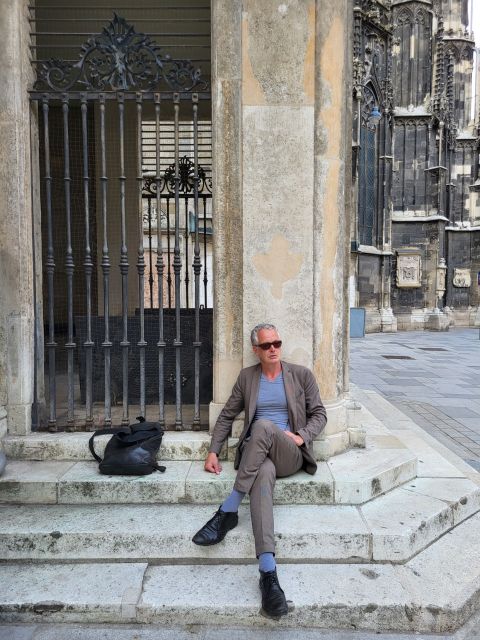
- A route through the old center: Depending on the meeting point, stops include the Freyung, Am Hof, Kohlmarkt, Michaelerplatz, Heldenplatz, and more.
- Music woven into the city’s story: Hear about Mozart, Beethoven, and Josef Haydn, whose melody is important to Germany today.
- A clear guide and language: Christian Grausam is the named guide, and the tour is conducted in German.
- Practical to plan around: The walk lasts two hours, costs $35 per person, and proceeds rain or shine.
A two-hour walk through two millennia
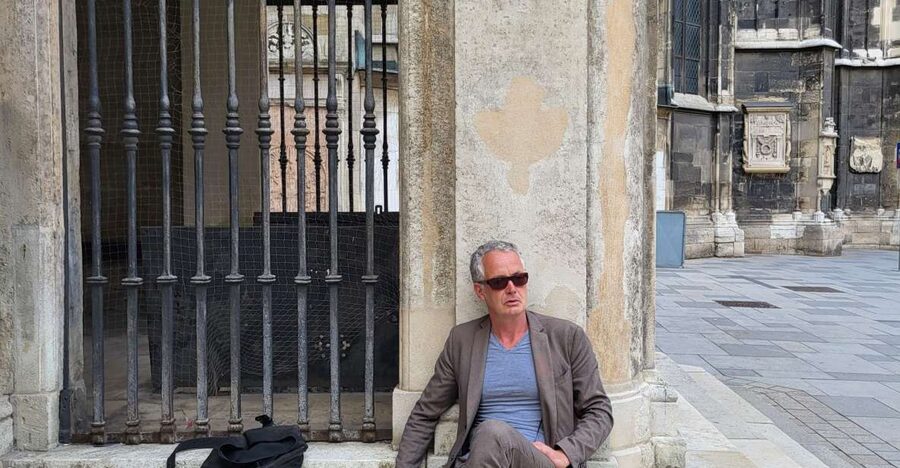
The tour’s central promise is a useful one: you should come away with a clearer sense of how Vienna became the city you see today. Rather than treating each landmark as a separate photo stop, the walk links the city’s architecture and public spaces to periods of political and cultural change.
That approach matters in Vienna. The center can feel like a succession of grand façades, churches, squares, and palaces. A guide can help you notice how those sights relate to the city’s past, and how the Habsburg court, religious institutions, and musicians fit into the larger picture.
The route covers a lot of ground in a short time. You will walk through busy parts of the center as well as less obvious corners, with the aim of getting your bearings and understanding the city’s character. It is a strong first-day choice if you want context before returning to any one sight on your own.
At $35 per person, the value comes mainly from that orientation and explanation. You are paying for a local certified guide and a focused two-hour introduction, not for museum admission or a long list of included extras. If you like to understand what you are looking at, rather than simply collect landmarks, that is a sensible use of part of a day.
More guided tours in Vienna:
- Vienna Spanish Riding School Guided Tour
★ 4.7 · 6,765 reviews - Vienna: Guided Walking Tour of City Center Highlights
★ 4.7 · 4,989 reviews - Vienna: Vienna Central Cemetery Guided Walking Tour
★ 4.8 · 3,307 reviews
Starting point: Schottenkirche, Freyung, and Am Hof
The exact meeting point depends on the option you book. If your meeting point is Freyung, the route begins around Schottenkirche and the square itself, then continues toward Am Hof. Check your booking details so you know where to meet, and arrive ten minutes before the start.
These opening stops help set the scene in the old center. The tour looks at how Vienna’s past remains visible in its streets and architecture, including traces of the Middle Ages. The point is not just to look at a building, but to connect its style and location to the city’s longer development.
Am Hof gives the walk another public square to read as part of that history. As you move between these places, listen for the guide’s explanations of how different eras left their marks. That chronological thread is one of the tour’s strengths: it gives you a framework you can use for the rest of your time in Vienna.
This early part is also where the walking format pays off. A map can show you where the old center’s landmarks sit, but a guided route helps turn those names into a sequence. You get a sense of how one part of the city leads into another, rather than treating each stop as an isolated point.
Kohlmarkt and Michaelerplatz: approaching the Hofburg
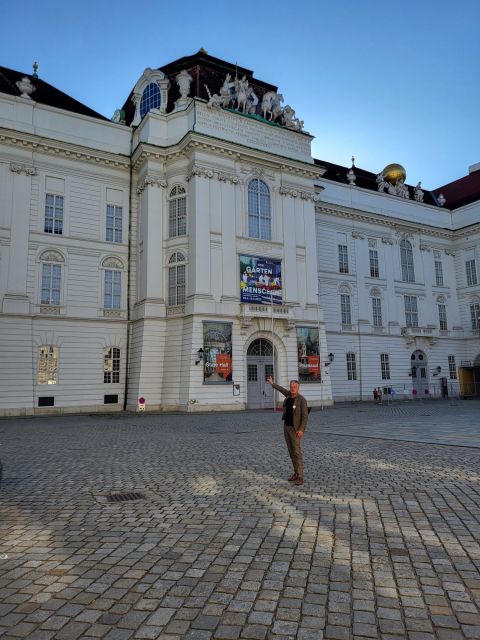
From the older squares, the route moves along Kohlmarkt toward Michaelerplatz and the Hofburg. This transition brings you toward the city’s imperial center, where the tour focuses on Vienna as a residential city and on the role of its rulers.
The Hofburg is more than a grand palace name on a map. The tour uses it to explain why Vienna held such importance as a seat of power. You will hear about rulers including Charles V and Franz Josef, as well as Elisabeth, whose story is closely tied to the imperial period.
That historical framing can make the Hofburg easier to appreciate, especially if you have limited time or are not planning to visit its interiors. The walk is about understanding the city and its buildings from the outside, not a palace admission or a detailed indoor tour. If seeing particular rooms or collections is a priority, you will need to plan that separately.
Michaelerplatz is also a useful point in the route because it leads into the Hofburg area. Pay attention to the way the guide connects the surrounding architecture with Vienna’s changing identity. The city’s center is not simply a backdrop to royal history; it is part of how that history is expressed.
Heldenplatz, Burggarten, and Josefsplatz
The walk continues through Heldenplatz, Burggarten, and Josefsplatz, extending the story of the court and the city’s public spaces. These stops help shift the focus from individual rulers to the way Vienna’s center was shaped around the institutions and people who governed and lived there.
The tour also brings in Vienna’s cultural life. Mozart and Beethoven lived and worked in the city, and Josef Haydn composed a melody that is important to Germany today. Rather than presenting music as a separate topic, the guide can place these composers within the same city story as the rulers and landmarks.
That combination is a particular strength if you want an introduction that covers more than architecture. You get an outline of political history and artistic life in the same walk, with buildings and locations providing the links between them. The route will not replace a dedicated music tour, but it gives you a useful starting point for understanding why Vienna is associated with major composers.
The trade-off is pace. Two hours is enough for a broad overview, not for a long stop at every square or an exhaustive account of each person named. If a particular period or composer matters most to you, note your questions and ask the guide when the route allows.
Same city, a different kind of day:
- Vienna: Vivaldi’s Four Seasons Concert in Karlskirche
★ 4.7 · 14,951 reviews - Vienna: Spanish Riding School Training
★ 3.9 · 9,281 reviews - Vienna: Skip-the-cashier-desk-line Giant Ferris Wheel Ride
★ 4.5 · 7,859 reviews - Vienna: Schönbrunn Palace & Gardens Skip-the-Line Tour
★ 4.7 · 7,739 reviews
The Albertina and Capuchin Crypt
The Albertina and the Capuchin Crypt add further layers to the itinerary. The route includes them as part of the city-center walk, where they help broaden the picture beyond the Hofburg itself. The guide’s goal is to connect places with Vienna’s history, not simply march you past a checklist of famous names.
The Capuchin Crypt is especially relevant to the tour’s attention to the city’s rulers and dynasties. The supplied route does not promise entry, so treat it as a stop or point of explanation during the walk rather than an included visit inside. If you want to see any site from within, check its separate visiting arrangements.
The Albertina gives the route another major cultural landmark to place in context. Its inclusion fits the tour’s interest in Vienna as a center of art and music, as well as a political capital. For you, the practical benefit is seeing how cultural and royal Vienna overlap in the center, even if the walk itself is not an art collection visit.
These stops also show why a guide’s interpretation can be more useful than a quick list of dates. The most helpful detail is often the connection: why a site belongs in the story and what it helps explain about the city.
Franziskanerplatz, Domgasse, and St. Stephen’s Cathedral
As the walk heads through Franziskanerplatz and Domgasse toward St. Stephen’s Cathedral, the focus returns to the city’s historic core. The cathedral is described as Vienna’s geographical and emotional center, a fitting endpoint for a tour designed to help you understand the city as a whole.
The cathedral’s place in the route is more than a grand finish. It gives the earlier stops a point of reference: you have moved through Vienna’s courtly, religious, artistic, and civic history and arrived at one of the center’s defining landmarks. If you have just arrived in town, this is a good place to continue exploring independently after the tour.
Domgasse also links the walk’s musical thread back to the streets of the old center. Mozart and Beethoven are part of the larger story of Vienna as a place where artists lived and worked. The tour does not promise a dedicated visit to a composer’s home, so think of this as an introduction to their place in the city rather than a specialist music itinerary.
One practical point: the route includes several stops and stretches of walking, and the tour is not suitable for people with mobility impairments. The exact walking distance and pace are not specified, so if you have a concern about managing the route, take that seriously before booking.
The guide, language, and pace
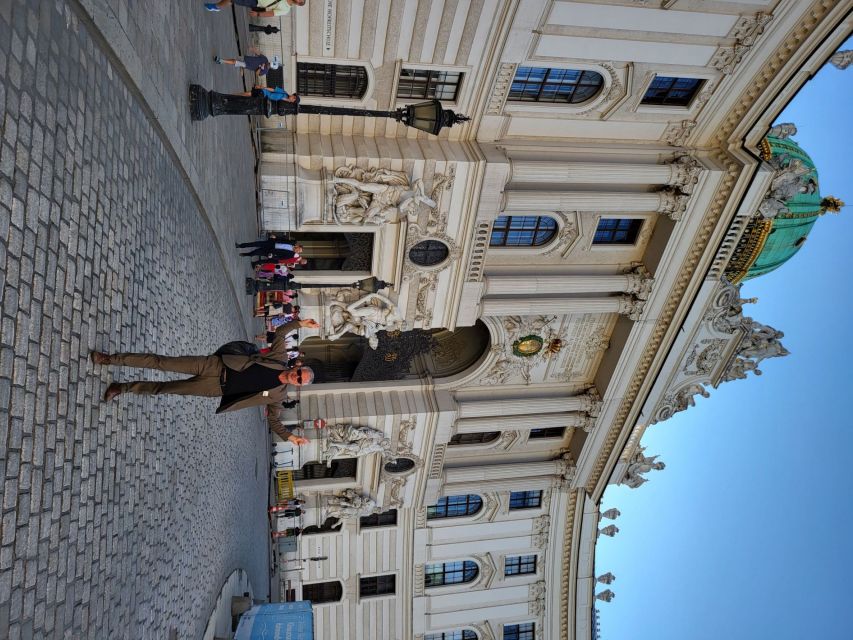
Christian Grausam is the named experience provider, and the tour is led by a local certified tourist guide. The German-language format is important to weigh before you book. If you do not understand German well, you may miss the historical connections that make the walk worthwhile.
The strongest aspect of this kind of tour is the guide’s ability to connect eras and buildings. Christian’s approach is described as linking the city’s history with its architecture and sights, while adding background and practical suggestions for what to do next. That can be especially useful early in a visit, when you are still deciding which parts of Vienna deserve more of your time.
The experience is a walking city tour, not a bus ride or a series of indoor visits. You should expect to spend the two hours on foot, moving among central locations and listening to explanations along the way. Bring comfortable shoes and keep bags light: luggage and large bags are not allowed.
The walk goes ahead in any weather. A light raincoat or an umbrella may make the experience more comfortable on a wet day, though the tour information does not specify what is supplied. Arriving ten minutes early gives you time to find the correct starting point, especially since the meeting place varies by option.
Is $35 good value for this tour?
At $35, this is a reasonably focused purchase if you want a guided introduction to Vienna’s center. The two-hour length is easy to fit into a short stay, and the route takes in a range of major places, from the Hofburg to St. Stephen’s Cathedral, while covering the city’s political and cultural story.
The value depends on what you want from a city tour. If you mainly want transport between attractions, entry to interiors, or a specialist deep study of one subject, this is not that product. If you want to understand how the sights relate and leave with a better mental map, the guide’s explanations are the main reason to pay.
The tour also offers flexible booking terms: you can reserve without paying immediately, and cancel up to 24 hours ahead for a full refund. Those options reduce the risk of committing early, though you should still confirm the meeting point and start time for the option you select.
A perfect rating across 313 reviews is an encouraging sign, but the more useful point for your decision is the repeated emphasis on clear historical explanations, an engaging pace, and practical tips. Those are exactly the qualities that matter in a short orientation walk. They cannot guarantee that every moment will match your interests, but they suggest the guide-led format is doing what it should.
Who should book this walk?
I would put this tour near the top of your list if you are new to Vienna and want a concise overview before choosing which museums, palaces, or neighborhoods to explore in more depth. It also suits people who enjoy learning how architecture, politics, and music fit together, rather than viewing the city as a string of unrelated landmarks.
It is less suitable if you need an accessible route, dislike walking in poor weather, or do not understand German. It is also not the right choice if you expect interior access to the Hofburg, cathedral, crypt, or other sites. The tour is best understood as an outdoor introduction led by a guide, with separate visits needed for any interiors you want to see.
Book it if you want context, a local guide, and a strong first look at central Vienna. Skip it if German-language commentary or two hours on foot will make the experience difficult for you. For the right visitor, the walk offers a useful map of the city’s past and a practical way to decide what deserves a closer look.
FAQ
How long does the tour last?
The tour lasts two hours.
How much does the tour cost?
The listed price is $35 per person.
What language is the tour in?
The live tour guide speaks German.
Who leads the tour?
Christian Grausam is the named experience provider and the local certified tourist guide.
Where does the tour start?
The meeting point varies depending on the option booked. For some options, the meeting point is Freyung.
What places are included in the route?
The route can include Schottenkirche, Freyung, Am Hof, Kohlmarkt, Michaelerplatz, the Hofburg, Heldenplatz, Burggarten, Josefsplatz, the Albertina, the Capuchin Crypt, Franziskanerplatz, Domgasse, and St. Stephen’s Cathedral.
Does the tour run in bad weather?
Yes. The tour takes place rain or shine.
Is the tour suitable for people with mobility impairments?
No. The tour is not suitable for people with mobility impairments. Large bags and luggage are also not allowed.
Newest tours in Vienna
- Vienna: ‘Armenia In The Heart Of Austria’ Tour★ 5.0 · 6 reviews
- Vienna: Mozart Private Guided Tour★ 5.0 · 4 reviews
- Vienna: Klimt Villa (Gustav Klimt Atelier & Museum) Ticket★ 4.7 · 50 reviews
- Vienna: Kunsthistorisches Museum Guided Tour incl. admission★ 4.9 · 32 reviews
- Vienna: Luxury Vintage Fashion Walking Tour★ 3.4 · 8 reviews
- Vienna: Johann Strauss – Immersive Audiovisual Experience Ticket★ 4.8 · 60 reviews
- Vienna: Kingdom of Railways Museum Entry Ticket★ 3.6 · 50 reviews
- Vienna: KuK Perfumery Filz – Viennese Perfume Tasting★ 4.3 · 23 reviews
Vienna Tours, compared.
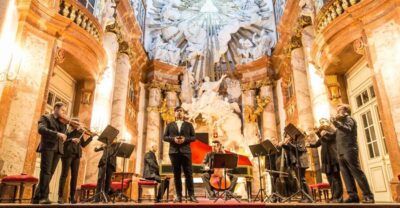
Vivaldi’s Four Seasons Concert in Karlskirche
Read our review →
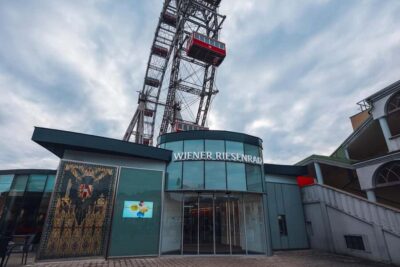
Skip-the-cashier-desk-line Giant Ferris Wheel Ride
Read our review →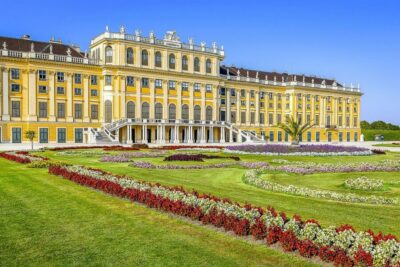
Schönbrunn Palace & Gardens Skip-the-Line Tour
Read our review →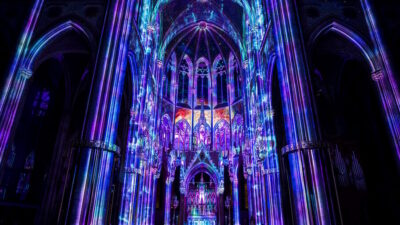
Light of Creation Votive Church Immersive Light Show
Read our review →

Classical Concert in the World-Famous Musikverein
Read our review →