Reviewed · VIENNA TOURS
Vienna House of Music Entrance Ticket
Vienna’s House of Music turns sound into something you can test, shape, and even conduct. In about 90 minutes to two hours, you can move from the Vienna Philharmonic’s archives to hands-on exhibits about sound, then try leading the orchestra with a virtual baton.
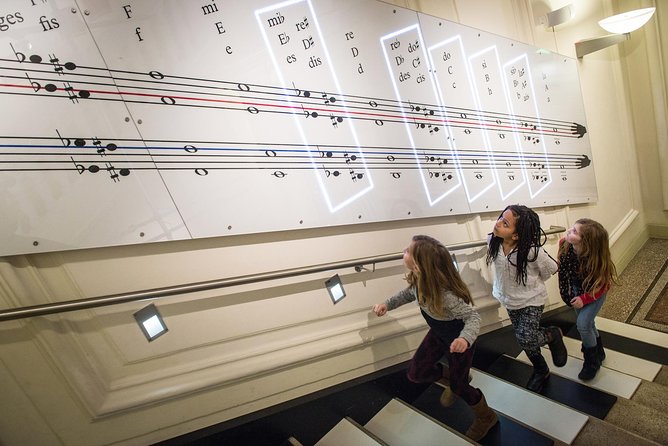
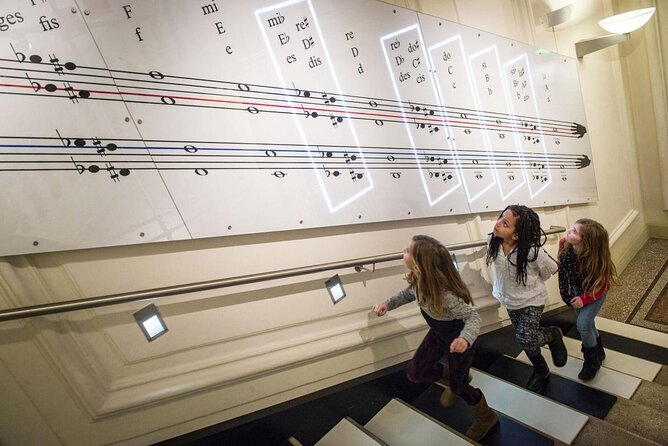
I like two things in particular: the mix of music history and playful experiments, and the way the composer rooms offer more than plaques and portraits. A hand-movement station can turn your gestures into a musical motif displayed on the ceiling, while the upper-floor conducting exhibit gives you feedback as you follow the orchestra on screen.
One consideration: this is a self-guided museum visit, not a tour with a live guide. The afternoon can also be busier than the morning, so go earlier if you want more room at the interactive stations.
Key points to know before you go
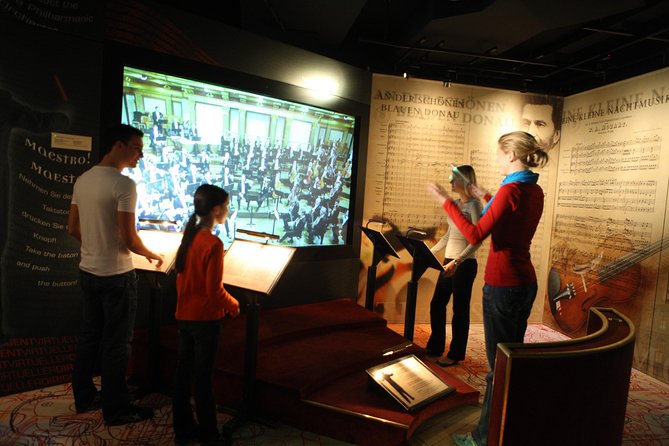
- The conducting exhibit is the grand finale: Wave a baton along with a video of the Vienna Philharmonic and get feedback on your attempt.
- The second floor puts sound science into play: Sonotopia Universe includes stations about how sound works and a VR Lab where you create a sound creature.
- Composer rooms cover Vienna’s famous names: Learn about Beethoven, Mozart, Schubert, Mahler, and the Strauss family on the third floor.
- The Philharmonic archives add a historical note: You can explore the orchestra’s past and listen to its famous New Year’s Eve concert.
- You set the pace: Plan for about 90 minutes to two hours, but the exhibits make it easy to stay longer if music and hands-on activities hold your attention.
- A smartphone guide is included for download: It is available in eight languages, with a family version in German and English.
A museum where music is something to do
The House of Music is in central Vienna, but it is a different sort of stop from a concert hall or a traditional museum. It explores both classical music and the science of sound, using interactive displays to make listening, composing, and conducting part of the visit.
That mix is its strength. You can come for the composer stories and find yourself testing how sound behaves, or bring children for the activities and end up lingering over the history. The museum is designed for a wide audience, and the hands-on approach gives people with different levels of musical knowledge something to work with.
You do not need to know a symphony from a sonata to take part. The displays invite you to listen, experiment, and respond, rather than expecting you to arrive with a lot of background. If you already love classical music, the historical material and composer rooms give the visit extra depth.
More tickets and passes in Vienna:
- Vienna: Classic Ensemble Vienna in St. Peter’s Church Ticket
★ 4.7 · 4,819 reviews - Vienna Kunsthistorisches Museum Day Admission Ticket
★ 4.6 · 3,690 reviews - Vienna: Tickets for Mozarthaus Vienna with Audio Guide
★ 4.2 · 2,344 reviews
Start with the Philharmonic’s history
One of the museum’s most notable stops is the historical archive of the Vienna Philharmonic. It connects the city’s musical reputation to a real institution and its past, rather than leaving you with only names and dates.
You can also listen to the orchestra’s famous New Year’s Eve concert. That gives the archive a useful sensory element: you are not just reading about an orchestra, you are hearing its music as part of the visit. For anyone planning to attend a classical concert in Vienna, this can be a good way to put the city’s musical life in context.
The archive is a history-focused part of a museum that otherwise leans heavily on participation. That contrast helps the visit feel varied. If you are mainly drawn to interactive technology, give this section a little time rather than hurrying straight to the more playful displays.
Make sound visible on the second floor
The second floor is home to the new Sonotopia Universe, where the museum’s interest in sound science becomes especially hands-on. Interactive stations let you test ideas about the physics of sound, helping you connect what you hear with how sound behaves.
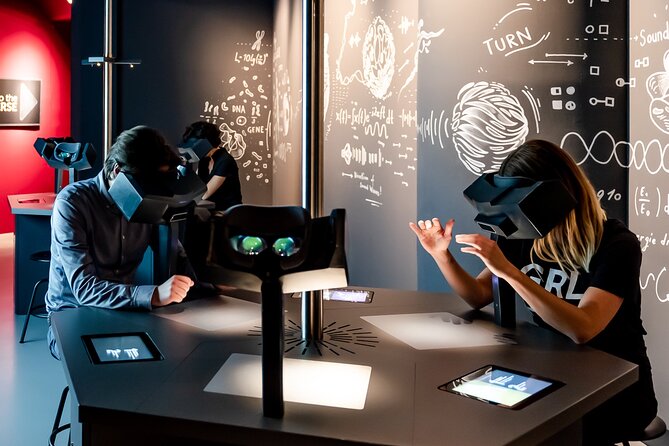
The VR Lab adds a more imaginative task: create your own sound creature. It is a lively change of pace from the historical exhibits, and it gives children a clear activity to focus on. Adults can take part, too, rather than standing by as supervisors.
Another engaging exhibit uses hand movements to create a musical motif that appears on the ceiling. It makes a simple point in a memorable way: movement can become a starting point for music. These activities are a major reason the museum works well for families, but they are not just distractions. They offer different ways to understand and respond to sound.
Meet Mozart, Beethoven, and Vienna’s other composers
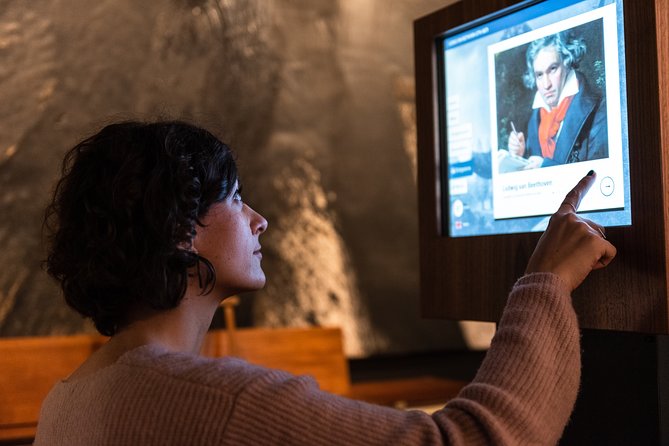
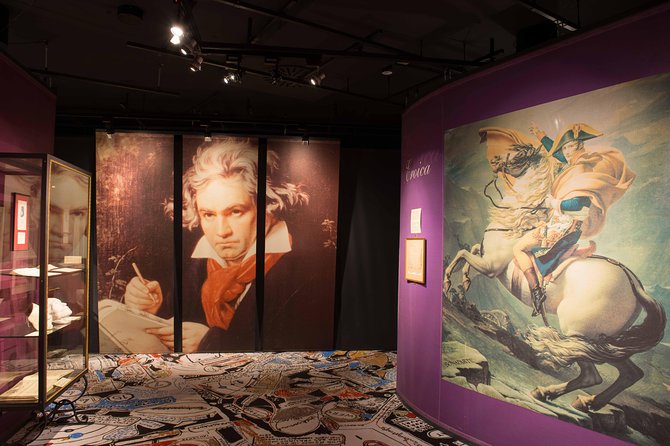
On the third floor, the focus shifts to composers who lived or worked in Vienna. The rooms cover Beethoven, Mozart, Schubert, Mahler, and the Strauss family, bringing their lives in the city together with the music they made.
The display style matters here. Instead of relying on a row of written panels, the exhibits use multiple ways to engage with each subject. That can help you stay interested even if you are visiting with someone who would rather press a button than read a long account of a composer’s life.
Mozart’s area is a particular draw for visitors who already have a favorite composer, but the broader range is useful if you want a fuller picture of Vienna’s musical story. Take your time. The museum is compact enough to visit in a couple of hours, yet the composer rooms reward a slower pace if you want to read and explore each one.
Same city, a different kind of day:
- Vienna: Vivaldi’s Four Seasons Concert in Karlskirche
★ 4.7 · 14,951 reviews - Vienna: Spanish Riding School Training
★ 3.9 · 9,281 reviews - Vienna: Skip-the-cashier-desk-line Giant Ferris Wheel Ride
★ 4.5 · 7,859 reviews - Vienna: Schönbrunn Palace & Gardens Skip-the-Line Tour
★ 4.7 · 7,739 reviews
Conduct the Vienna Philharmonic on the fourth floor
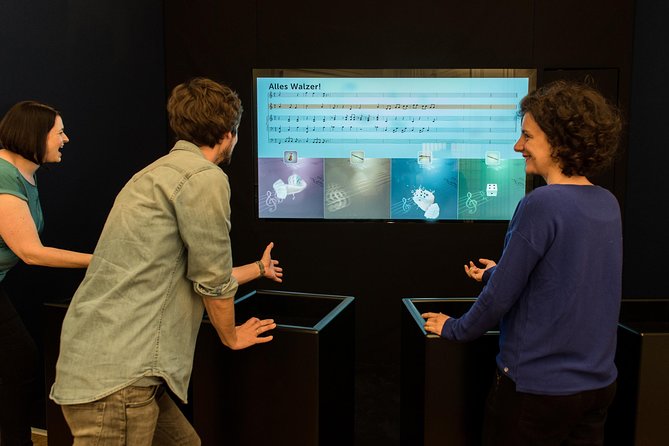
The virtual conductor exhibit is the museum’s grand finale. You wave a baton along with a video of the Vienna Philharmonic playing, then receive feedback on how you did.
It is an amusing way to test your sense of timing and control, and it gives you a new perspective on what a conductor does. You do not need musical training to try it. The appeal is in following the orchestra and seeing how your movements match the performance.
This is also one of the clearest examples of the museum’s wider approach: music is not treated as something you can only admire from a seat. You get to participate, make a choice, and see a response. If a station is busy, the rest of the museum offers enough variety that you can move on and return later.
How long to allow, and when to visit
The usual visit takes about 90 minutes to two hours. That is enough time to see the main sections without rushing, though you could spend longer if you stop at each interactive station or read the composer displays carefully. Time can pass quickly when the exhibits invite repeated attempts.
The museum is open daily during the listed schedule, generally from 10 a.m. to 10 p.m. For December 24, the hours provided are 10 a.m. to 6 p.m. Opening schedules can change, so check the current hours before setting out.
If you have a choice, aim for the morning. The afternoon can bring more people, which may mean waiting or sharing the interactive stations. The museum is near public transportation, and its central location makes it practical to fit into a day of sightseeing in Vienna.
Is the $22.93 ticket good value?
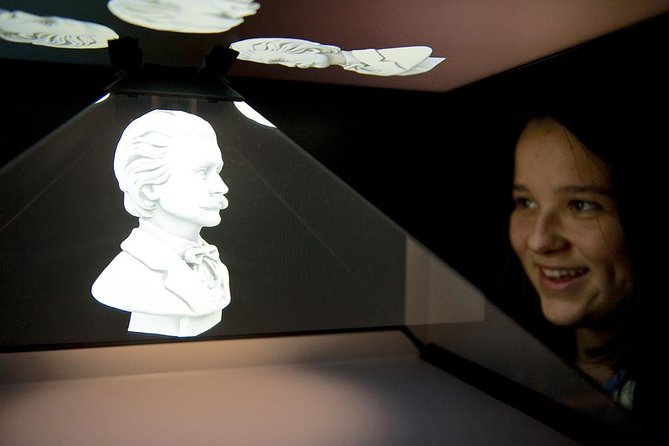
At $22.93 per person, the ticket buys entry to a museum with several different kinds of exhibits, not just a short display about classical music. You get composer history, the Philharmonic archive, sound science activities, a VR creation station, and a chance to conduct an orchestra on screen.
That range makes the price easier to justify if you will take part in the exhibits and give yourself enough time. It is especially appealing for families, since children can interact with the displays while adults explore the historical and musical material. Music lovers may also find the composer rooms and orchestra archive worth the visit even if they skip some of the more playful activities.
The value is less clear if you want a guided introduction or prefer quiet, traditional galleries. No live guide is included, and the smartphone museum guide is a download rather than an in-person tour. Food and drinks, as well as hotel pickup and drop-off, are not included. Treat this as an independent museum visit and plan any other parts of your day separately.
The ticket is booked, on average, about 21 days ahead. That gives you a rough sense of how far in advance people plan, but the information does not say that advance booking is required. Free cancellation is available up to 24 hours before the experience begins.
Who will enjoy this visit most?
I would recommend the House of Music to families looking for an indoor activity that gives children more to do than simply follow an adult through galleries. The displays are interactive, and the museum’s themes work for adults and children alike.
It also suits couples, solo visitors, and anyone who wants to understand why music matters so much in Vienna. Classical music fans have the composer rooms, orchestra archive, and New Year’s Eve concert listening. People with a more casual interest can focus on the experiments and conducting station without needing to study up first.
If your main goal is a live performance, this is not a substitute for a concert. It is a museum visit about music, musicians, and sound. Go for the chance to explore those subjects at your own pace, and you will get more from it than if you expect a guided tour or a recital.
Should you book the House of Music?
Book it if you want an engaging change from Vienna’s palaces and concert halls, especially if your group includes both classical music fans and hands-on learners. The strongest reasons to go are the variety of interactive exhibits, the composer rooms, and the chance to try conducting the Philharmonic.
You may want to skip it if you have little interest in music or sound, or if you are looking for a live guide to lead you through the collection. For most people who are curious about music, though, the visit offers a practical blend of learning and play. Go in the morning if you can, download the museum guide, and allow at least an hour and a half.
FAQ
How long does a visit take?
Plan for approximately 90 minutes to two hours. You can take longer if you spend extra time with the exhibits.
Is a guide included with the ticket?
No. A live guide is not included. You can download the free smartphone museum guide, which is available in eight languages.
What can I do at the House of Music?
You can explore the Vienna Philharmonic’s historical archives, listen to its New Year’s Eve concert, try sound science activities, create a sound creature in the VR Lab, visit composer exhibits, and test your conducting skills.
Is the museum suitable for children?
The museum has interactive activities for children and adults. Its family smartphone guide is available in German and English.
What are the opening hours?
The hours provided are generally 10 a.m. to 10 p.m. from Monday to Sunday. On December 24, the listed hours are 10 a.m. to 6 p.m. Check the current schedule before visiting.
Is the House of Music near public transportation?
Yes. It is described as being near public transportation and is located in central Vienna.
Can I cancel my ticket for a refund?
You can cancel at least 24 hours before the experience’s start time for a full refund. Cancellations made less than 24 hours before the start time are not refundable.
Newest tours in Vienna
- Vienna: ‘Armenia In The Heart Of Austria’ Tour★ 5.0 · 6 reviews
- Vienna: Mozart Private Guided Tour★ 5.0 · 4 reviews
- Vienna: Klimt Villa (Gustav Klimt Atelier & Museum) Ticket★ 4.7 · 50 reviews
- Vienna: Kunsthistorisches Museum Guided Tour incl. admission★ 4.9 · 32 reviews
- Vienna: Luxury Vintage Fashion Walking Tour★ 3.4 · 8 reviews
- Vienna: Johann Strauss – Immersive Audiovisual Experience Ticket★ 4.8 · 60 reviews
- Vienna: Kingdom of Railways Museum Entry Ticket★ 3.6 · 50 reviews
- Vienna: KuK Perfumery Filz – Viennese Perfume Tasting★ 4.3 · 23 reviews
Vienna Tours, compared.
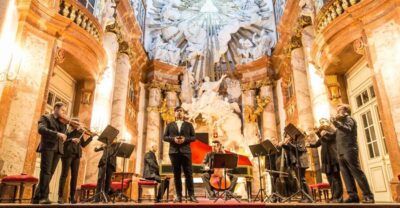
Vivaldi’s Four Seasons Concert in Karlskirche
Read our review →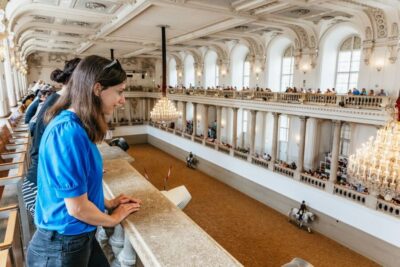
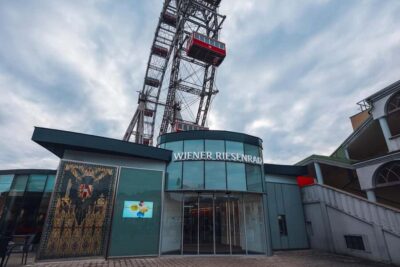
Skip-the-cashier-desk-line Giant Ferris Wheel Ride
Read our review →
Schönbrunn Palace & Gardens Skip-the-Line Tour
Read our review →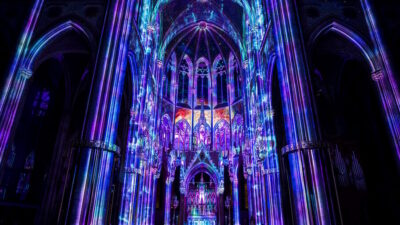
Light of Creation Votive Church Immersive Light Show
Read our review →

Classical Concert in the World-Famous Musikverein
Read our review →