
Reviewed · VIENNA WALKING TOURS
Introducing Vienna Walking Tour: The Capital of the Habsburgs
Vienna’s imperial center packs centuries of power into a walkable patch of streets and squares. This two-hour tour links the Hofburg, the Spanish Riding School’s white stallions, the opera, and St. Stephen’s Cathedral with stories about the Habsburgs and modern Austria.
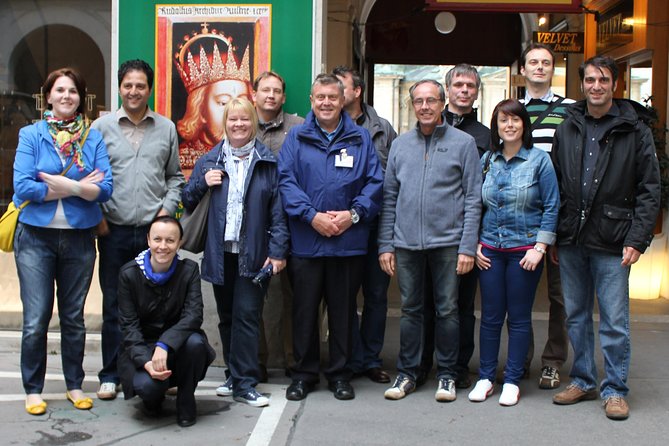
I like two things in particular: a small group capped at 15, which makes it easier to ask questions, and a route that pairs grand imperial sights with less comfortable history, including the Monument Against War and Fascism. Guides Herbert Stojaspal and Dorothea are both named in past accounts of the tour, though your guide may vary.
One consideration: the walk covers many landmarks in a short time. You get a strong overview, not a long visit inside each site, and one past participant wished for more time to stop for photos. Check that your chosen departure is in English before booking, since the tour language can vary by day.
- Start at Michaelerplatz: Meet in the historic center, close to St. Michael’s Church and Roman and medieval remains.
- Follow Habsburg history: Hear about the Hofburg, the imperial household, and objects such as the Holy Lance and Holy Roman Empire crown.
- See the center’s contrasts: The route includes Hero Square, Joseph’s Square, the Albertina area, the opera, and a memorial to victims of war and fascism.
- Keep the group small: The maximum group size is 15, and the tour lasts about two hours.
- Finish near St. Stephen’s: The walk ends at a Lindt chocolate boutique on Stephansplatz, a handy spot for continuing your own sightseeing.
Two hours in the Habsburg heart of Vienna
This is a city-orientation walk with a clear focus: how the Habsburg dynasty shaped Vienna, and how the city’s imperial past sits beside its modern public life. The route stays in the center, linking major sights that are close enough to reach on foot but easier to understand when someone connects their stories.
The pace is designed to cover a lot in a short time. You’ll pass landmarks rather than spend extended periods inside them, so think of this as a guided introduction, not a palace or museum visit. That is useful on a first day: you can note which places deserve a return visit and use the guide’s explanations to make sense of what you see later.
The tour costs $35.07 per person and lasts about two hours. For that price, you’re paying for a certified guide and a compact route through central Vienna, not admission to attractions, food, or drinks. If you value historical context and practical orientation, the cost is reasonable for a small-group walk. If you mainly want time for photographs or a detailed look inside the buildings, you may prefer to explore some stops on your own afterward.
Starting at Michaelerplatz and St. Michael’s
The meeting point is Michaelerplatz 3, in Vienna’s first district. The opening stop is St. Michael’s Church, where Roman and medieval remains introduce the layers beneath the city’s polished imperial streets. It is an effective place to begin: Vienna’s story is not only about palaces, and the ruins offer a glimpse of earlier periods before the tour moves into Habsburg territory.
Michaelerplatz also puts you close to the Hofburg complex, so the transition from ancient and medieval Vienna to the imperial court is quick. Your guide can give you a broad frame for the route before you reach its most famous buildings.
Arrive knowing that the tour begins at a specific central address. The walk is near public transportation, and the U1 and U4 lines serve Stephansplatz, the end point. The information provided gives directions for the ending location, but not a separate transport plan for the start.
More walking tours in Vienna:
- Vienna: Guided Walking Tour of City Center Highlights
★ 4.7 · 4,989 reviews - Vienna: Vienna Central Cemetery Guided Walking Tour
★ 4.8 · 3,307 reviews - Vienna: Guided Walking Tour of City Highlights & Hidden Gems
★ 4.9 · 2,180 reviews
The white stallions and the Hofburg
One stop focuses on Vienna’s famous white stallions. The tour promises information about them, then turns to the Habsburg residence, which served as the dynasty’s home from the 12th century. Together, these subjects bring imperial life into focus: the court was not just a set of grand facades, but a working seat of dynastic power and ceremony.
The Hofburg is a large complex, and a walking tour can help you read it as more than a collection of impressive buildings. Expect explanation from outside as you move through the area, rather than a visit into the palace or a horse show. No indoor admission or performance is listed as part of the experience.
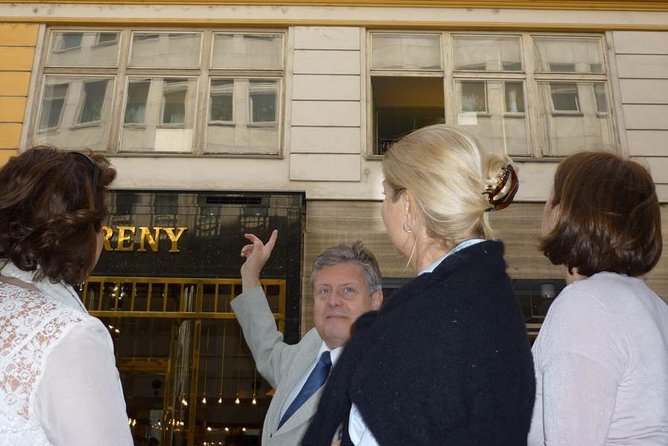
A guide’s value here lies in selecting details that help you picture how the court worked. Herbert Stojaspal is described in past accounts as a lively storyteller who answers questions and sometimes uses historical images to show how parts of the city looked in earlier times. Those touches depend on the guide and the day, but the emphasis on stories and context is central to the tour.
Hero Square, government, and imperial relics
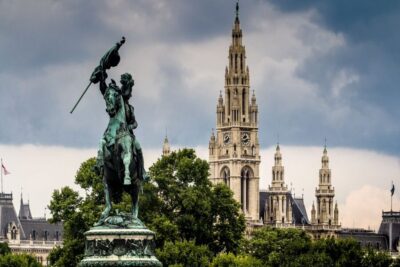
At Hero Square, the guide explains why the square has that name and introduces Austria’s system of government. This stop connects architecture and national identity, helping you see how a ceremonial space can also carry political meaning. It is a useful counterweight to the palace stories: the tour moves from dynastic rule toward the structure of present-day Austria.
The next historical thread includes European history and notable objects such as the Holy Lance, associated with the piercing of Jesus, and the crown of the Holy Roman Empire. These are powerful symbols, and hearing why they mattered can make the empire’s reach feel more tangible than a list of rulers and dates.
The tour description does not say that you enter a collection to see these objects. Treat this as a stop for explanation and context, not a guaranteed viewing of the relics themselves. If seeing particular imperial treasures is a priority, plan a separate visit to the relevant museum or display rather than assuming it is included in the walk.
Joseph’s Square and the Albertina
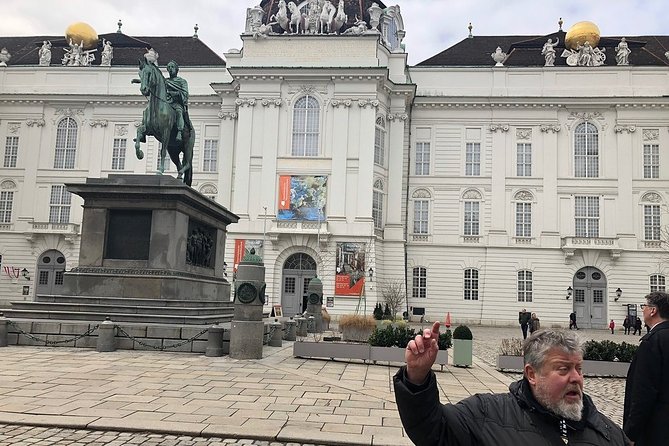
Joseph’s Square brings the tour to the reign of Maria Theresa, one of the most consequential figures in Habsburg history. The guide promises stories about her rule and the square’s secrets. This is a good point to ask questions if you want to understand how the dynasty’s history connects to the city’s buildings and public spaces.
The route then passes the former residence of Albert and Maria Christina, now associated with the Albertina and its extensive drawing collections. The collection is described as one of the largest in the world, an enticing hint of what the city holds beyond its imperial facades. But the walk does not include time inside the Albertina, so art lovers should leave room in their schedule to return.
This is one of the tour’s practical strengths. By pointing out a major collection and explaining its place in the city, the guide helps you decide what to see next. Several people who took the walk used it as a planning tool, returning later to places that caught their interest.
Same city, a different kind of day:
- Vienna: Vivaldi’s Four Seasons Concert in Karlskirche
★ 4.7 · 14,951 reviews - Vienna: Spanish Riding School Training
★ 3.9 · 9,281 reviews - Vienna: Skip-the-cashier-desk-line Giant Ferris Wheel Ride
★ 4.5 · 7,859 reviews - Vienna: Schönbrunn Palace & Gardens Skip-the-Line Tour
★ 4.7 · 7,739 reviews
A difficult chapter at the Monument Against War and Fascism
Not every stop is about royal ceremony. The tour includes the monument officially called the Monument Against War and Fascism, which remembers victims of war, including those affected during Nazi rule in Austria. Its presence brings a necessary change in tone and reminds you that Vienna’s story includes far more than palace life.
That shift is valuable in a tour centered on the Habsburgs. It gives the route a broader historical sweep and keeps the city from becoming a picture-book sequence of grand buildings. Expect the guide to explain the monument’s purpose; the supplied details do not specify how long the group spends there or the precise content of the discussion.
The contrast between imperial splendor and the memorial is one reason the tour works as an introduction. You see how a single central route can hold different chapters of Vienna’s past, some celebratory and some painful.
The opera, ticket tip, and final stop
At the Vienna State Opera, the guide shares a practical detail: the opera changes its production daily, and the cheapest tickets are said to cost 3 euros. That makes the stop useful beyond the usual exterior-photo moment. If opera interests you, ask how to check current performance and ticket details before making plans, since the tour information does not provide a schedule or explain how those low-cost tickets are sold.
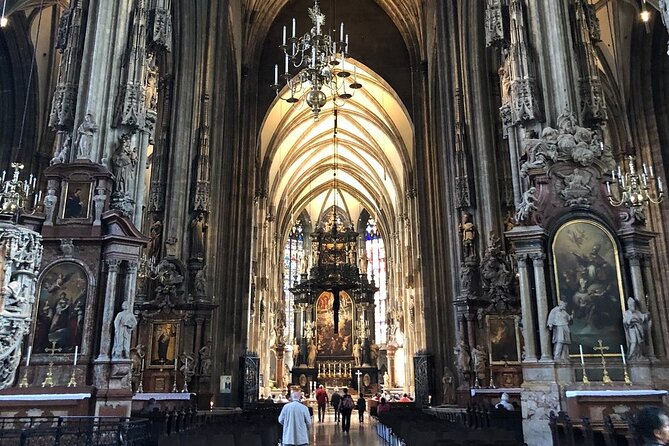
The walk continues through Vienna’s center to St. Stephen’s Cathedral, one of the city’s defining landmarks. You finish at the Lindt Chocolate Boutique at Stephansplatz 8A, close to the cathedral. The ending is well placed for independent sightseeing: you can continue around the square, visit the cathedral on your own, or pause for chocolate before moving on.
A past participant paired the tour with a self-guided visit to the cathedral and catacombs afterward. That is a sensible way to use the walk: let the guide provide the citywide context, then spend your own time inside places that interest you most.
What the guide and group size add
The maximum group size is 15, making this a more personal option than a large coach tour or a crowd-following walk. A small group can make it easier to hear the guide and ask questions, though the precise feel will depend on attendance and the group’s pace.
Herbert Stojaspal is the named provider and the guide most often associated with the experience. Past accounts also name Dorothea, so you should not assume Herbert will lead every departure. The strongest qualities associated with the guiding are clear explanations, humor, local perspective, and an ability to make history feel connected to the streets around you.
Several people found the tour useful for getting their bearings and deciding what to explore afterward. The guide has also offered restaurant and activity suggestions, according to past accounts. These recommendations can be especially useful early in a stay, when you are still sorting out which parts of Vienna deserve more of your time.
Practical details before you book
The tour is offered in English, but the language can vary by day. One past booking went wrong because the participant arrived expecting English and found a German-language departure instead. The useful lesson is simple: check the language shown for your exact date and confirm it on your booking details before you go.
The tour operates in all weather, so dress for the forecast. One person who walked in March found the morning wind very cold. Vienna’s central route is described as easy and flat in a past account, but you will still be on your feet for about two hours. This activity is not recommended for younger children, and the provider says most participants can take part.
Food and drinks are not included, and there is no hotel pickup or drop-off. The tour starts at Michaelerplatz and ends at Stephansplatz, so make your way to the meeting point independently and plan onward travel from the center. The average booking lead time is about 30 days, and group discounts are available. Free cancellation is offered up to 24 hours before the start; changes or cancellations inside that window are not accepted.
Who should book this Vienna walk?
I’d put this tour near the top of the list for a first day in Vienna, especially if you want a human guide to connect the Hofburg, the city’s imperial landmarks, and its more recent history. It suits curious adults who like stories, ask questions, and want a useful overview before choosing which museums or sights to revisit.
It also suits people who value a compact route and a small group over a long, highly specialized tour. The two-hour length leaves plenty of day for other plans, and the central finish makes it easy to continue exploring. The trade-off is that you will pass many sights without going inside, and a fast-moving route may leave limited time for photographs.
If you want a thoughtful introduction to Habsburg Vienna, practical orientation, and a few useful tips for the rest of your stay, this is a sound-value choice. If your priority is a slow architectural study, an interior visit, or a tour specifically for young children, choose a different format or pair this walk with independent visits afterward.
FAQ
How long does the Vienna walking tour last?
It lasts about two hours.
Where does the tour start?
The meeting point is Michaelerplatz 3, 1010 Vienna, Austria.
Where does the tour end?
It ends at the Lindt Chocolate Boutique at Stephansplatz 8A, near St. Stephen’s Cathedral.
Is the tour offered in English?
English is offered, but the tour language can vary by day. Check the language for your chosen departure before booking.
How many people can join?
The maximum group size is 15 people.
What is included in the price?
A professional certified tourist guide is included. Hotel pickup and drop-off, food, and drinks are not included.
Does the tour operate in bad weather?
Yes. It operates in all weather conditions, so dress for the conditions on the day.
Can I cancel for a refund?
You can cancel at least 24 hours before the tour’s start time for a full refund. Cancellations or changes made less than 24 hours beforehand are not accepted.
Newest tours in Vienna
- Vienna: ‘Armenia In The Heart Of Austria’ Tour★ 5.0 · 6 reviews
- Vienna: Mozart Private Guided Tour★ 5.0 · 4 reviews
- Vienna: Klimt Villa (Gustav Klimt Atelier & Museum) Ticket★ 4.7 · 50 reviews
- Vienna: Kunsthistorisches Museum Guided Tour incl. admission★ 4.9 · 32 reviews
- Vienna: Luxury Vintage Fashion Walking Tour★ 3.4 · 8 reviews
- Vienna: Johann Strauss – Immersive Audiovisual Experience Ticket★ 4.8 · 60 reviews
- Vienna: Kingdom of Railways Museum Entry Ticket★ 3.6 · 50 reviews
- Vienna: KuK Perfumery Filz – Viennese Perfume Tasting★ 4.3 · 23 reviews
Vienna Walking Tours, compared.
Guided Walking Tour of City Center Highlights
Read our review →
Guided Walking Tour of City Highlights & Hidden Gems
Read our review →
Vienna Historic Center Small Group Walking Tour
Read our review →
Browse the lists this tour appears in