
Reviewed · VIENNA
Roman City of Carnuntum Admission
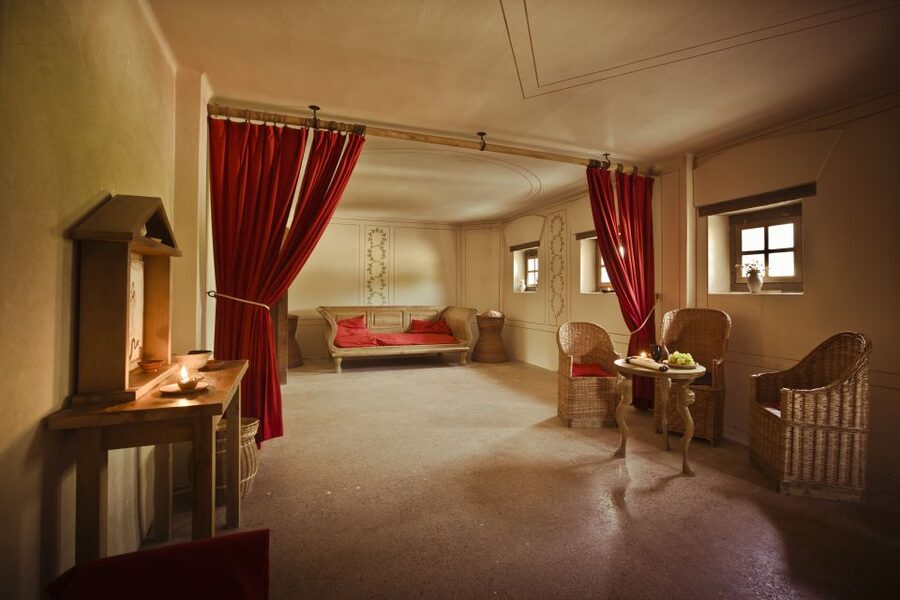
Carnuntum’s appeal is unusually hands-on: you can step into reconstructed Roman rooms built on the places where ancient buildings once stood. I like the link between archaeology and everyday life, from furnishings based on finds to the recreated baths, which make the past easier to picture than a display case alone.
I also like that admission includes the Carnuntinum Museum, giving you a second setting for understanding the city and its people. One drawback to plan around: the military-city amphitheatre is closed for renovation, and the ticket information can leave the impression that more sites are included than are actually covered.
What to know before you go
- The Roman Quarter is reconstructed on its original locations, with architectural details and furnishings based on archaeological discoveries made on-site.
- The ticket covers two attractions: the Roman Quarter in Petronell-Carnuntum and the Carnuntinum Museum in Bad Deutsch-Altenburg.
- The recreated homes and baths are the main event, offering a glimpse of Roman domestic life rather than just a view of foundations.
- The military-city amphitheatre is closed for renovation. The Heathen’s Gate and the Amphitheatre of the Civil City are nearby alternatives, but check what your admission covers before counting them as included.
- From central Vienna, take the S7 to Petronell-Carnuntum, then walk about 15 minutes by following the signs.
- The ticket costs $16 per person and is valid for one day, with free cancellation up to 24 hours beforehand.
Roman rooms built where the city once stood
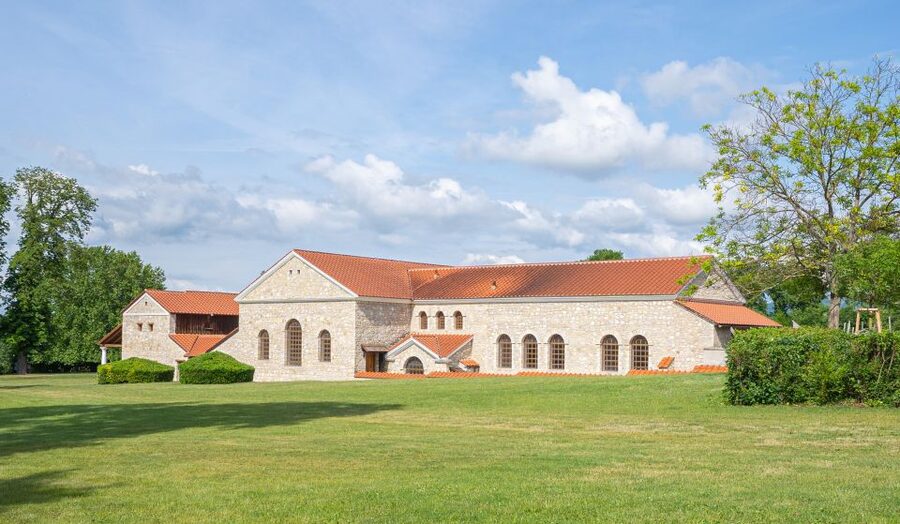
Carnuntum was a Roman city, and the Roman Quarter makes its past tangible by rebuilding part of that quarter on its original locations. Rather than asking you to imagine an entire house from a few stones, the site presents re-erected buildings with decorative details and furniture based on archaeological finds made there.
That distinction matters. A reconstruction can help you grasp the scale and arrangement of a home in a way that scattered foundations may not. You can look into rooms where people lived and get a feel for how Roman domestic spaces were organized. The aim is not simply to show impressive ruins, but to make daily life easier to picture.
The project is described as internationally unique. Its particular strength is the way it ties the buildings to the ground beneath them: the reconstructions occupy their original locations, while details and furnishings draw on evidence uncovered on-site. You are not just looking at a generic Roman house transplanted to Austria.
Keep expectations sensible. These are rebuilt buildings, not untouched Roman interiors. The value comes from seeing archaeological evidence interpreted in a physical setting, and from having enough context to connect rooms, furnishings, and ancient ways of life.
Other tours people book in Vienna:
- Vienna: Vivaldi’s Four Seasons Concert in Karlskirche
★ 4.7 · 14,951 reviews - Vienna: Spanish Riding School Training
★ 3.9 · 9,281 reviews - Vienna: Skip-the-cashier-desk-line Giant Ferris Wheel Ride
★ 4.5 · 7,859 reviews
Inside the homes and ancient baths
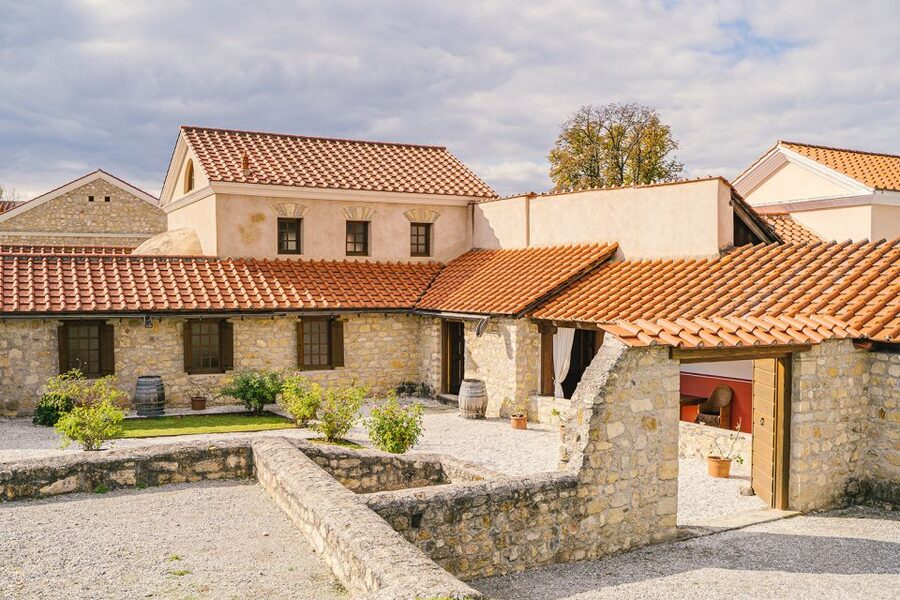
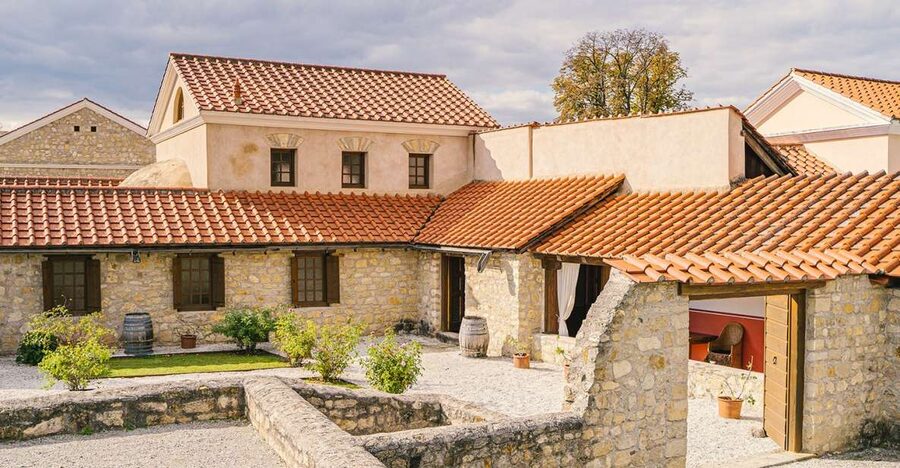
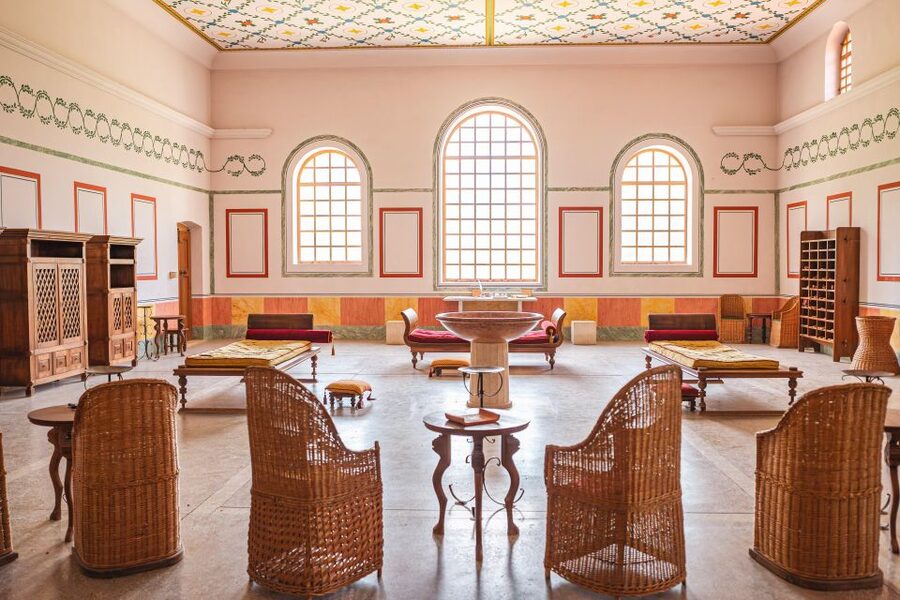
The living rooms are a natural place to begin. The rooms give you a sense of how a Roman home might have functioned, while the furnishings and decorative details help prevent the experience from feeling like a walk through empty shells. It is a useful stop for anyone who wants to understand Roman life beyond emperors, armies, and monuments.
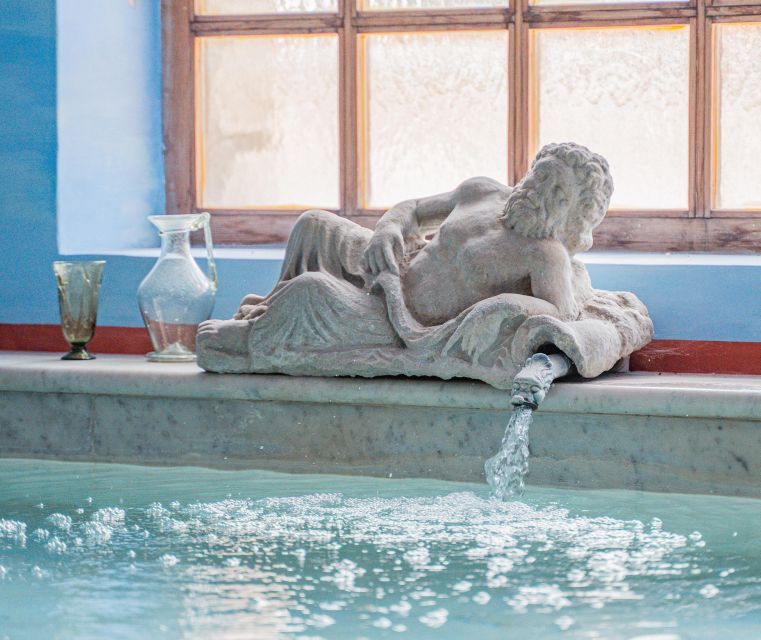
The ancient baths add another important part of the picture. Baths were central to Roman social and public life, and seeing them as part of a reconstructed quarter helps you think about how shared facilities fitted into the wider city. You can take in the spaces at your own pace and notice how the buildings relate to one another.
Clear explanations can make a real difference here. A guided explanation was singled out as easy to follow, which is a useful sign for visitors who want the site’s archaeological details put into plain language. The ticket information does not promise a guide or name one, so do not book on the assumption that a guided tour is included.
If you enjoy looking closely, pause over the decorative elements and furnishings rather than rushing from building to building. The project’s strength lies in those details: they help turn an architectural reconstruction into a picture of people using their homes.
The Carnuntinum Museum adds objects and context
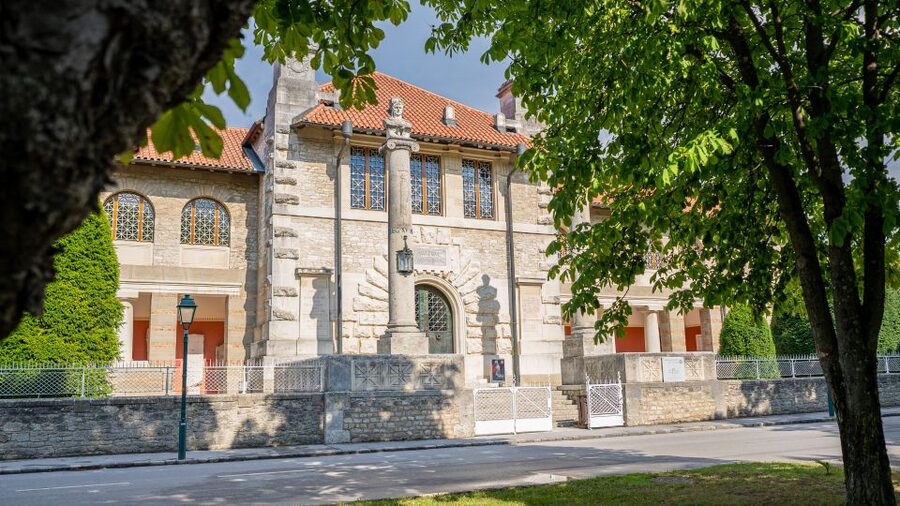
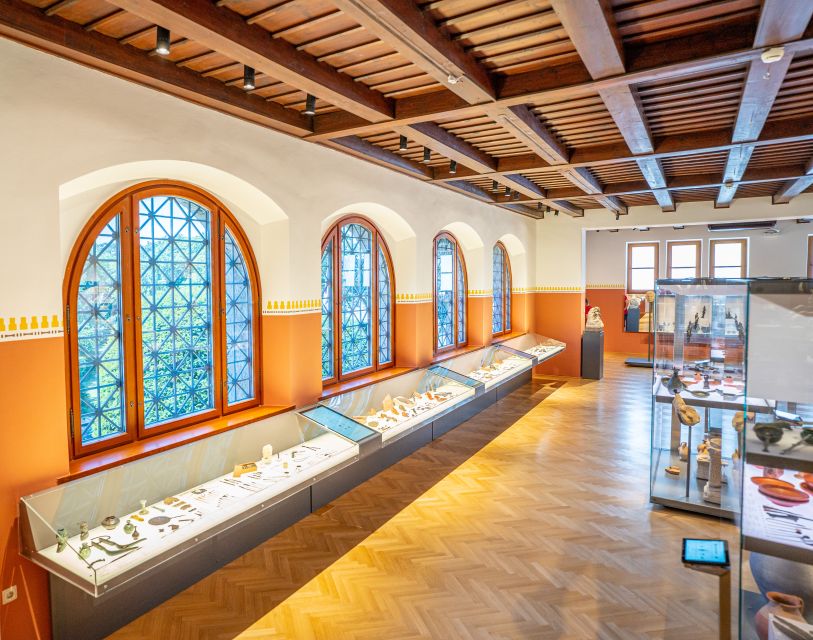
The Carnuntinum Museum, in Bad Deutsch-Altenburg, is included with admission to the Roman Quarter. It gives your day a second perspective: the reconstructed buildings help you picture ancient spaces, while the museum presents the city’s treasures and cultural life in a museum setting.
Together, the two stops work better than either one on its own. A room can suggest how people lived, but objects and archaeological material can add another layer to that picture. The museum is also a useful counterpoint to the open-air quarter. If you have spent time imagining the details of Roman domestic life, it gives you a chance to connect that impression with material evidence.
The two attractions are in separate towns, so plan for a little movement between them. The ticket is valid for one day, making it possible to visit both in a single outing, but the available information does not specify how long you should spend at each. Give yourself enough room to explore rather than treating the museum as a quick box to tick.
Admission covers the Roman Quarter and the Carnuntinum Museum. Be careful not to assume that every nearby Roman site is part of the same ticket. The military-city amphitheatre is currently closed for renovation, and the information about alternative nearby sites does not confirm that they are included in this admission.
Heathen’s Gate and the amphitheatre change of plan
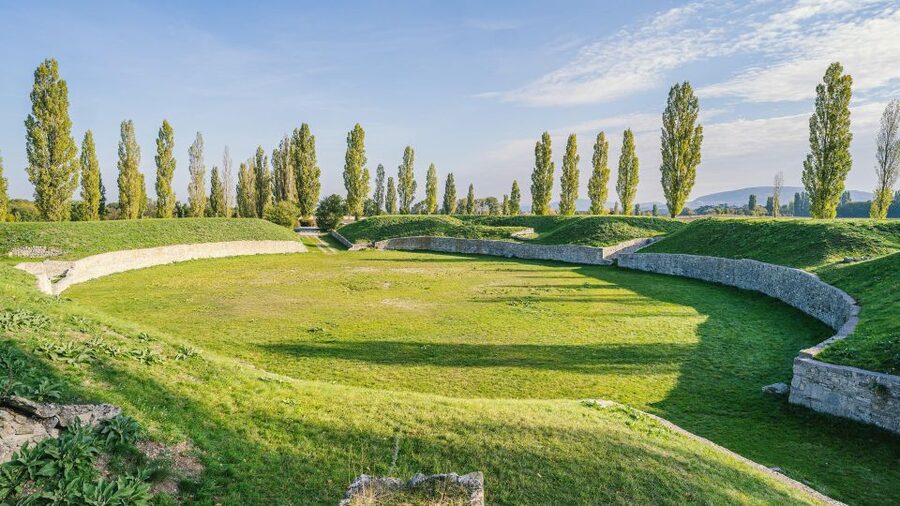
The Heathen’s Gate is a worthwhile addition to the outing if you want to round out your picture of Carnuntum beyond the rebuilt homes and museum. The nearby Amphitheatre of the Civil City is another alternative mentioned for the period when the military-city amphitheatre is closed.
Here is the practical catch: the military-city amphitheatre is not open to visitors during renovation. One visitor felt short-changed after expecting access to three historic sites and being able to see only the city and museum. That is a fair warning to check exactly what your ticket covers before you set out, especially if seeing an amphitheatre is a major reason for your visit.
The Heathen’s Gate and civil-city amphitheatre are presented as alternatives, but the admission details explicitly name only the Roman Quarter and Carnuntinum Museum as included. Treat the two nearby sites as possible additions to your day, not guaranteed parts of the $16 ticket. Confirm current access and any separate admission arrangements before relying on them.
This caveat need not spoil the excursion. The reconstructed quarter and museum form a satisfying visit in their own right, especially if you are interested in everyday Roman life. It does matter if you are expecting a full tour of every historical site in the area.
Same city, a different kind of day:
- Vienna: Schönbrunn Palace & Gardens Skip-the-Line Tour
★ 4.7 · 7,739 reviews - Vienna: Light of Creation Votive Church Immersive Light Show
★ 4.8 · 6,779 reviews - Vienna Spanish Riding School Guided Tour
★ 4.7 · 6,765 reviews - Vienna: Classical Concert in the World-Famous Musikverein
★ 4.6 · 6,673 reviews
Getting to Carnuntum from Vienna or Bratislava
Carnuntum is well connected to Vienna by train. From Wien Mitte-Landstraße in the city center, take the S7 in the direction of Wolfsthal and get off at Petronell-Carnuntum. Trains run every hour, and the walk from the station to the Roman City takes about 15 minutes. Follow the signs.
That makes public transport a practical option if you are staying in Vienna and would rather not drive. Remember that the station is not at the entrance: allow for the walk, and plan the return journey as part of your day.
By car from Vienna, take the A4 toward Budapest or the airport, then use the Fischamend exit and continue on the B9, also called Pressburger Bundesstraße, toward Hainburg and Petronell-Carnuntum or Bad Deutsch-Altenburg. From Bratislava, follow the B9 toward Vienna to reach either town.
Because the Roman Quarter and museum are in different locations, a car may make it easier to move between them. The train route takes you to Petronell-Carnuntum, while the museum is in Bad Deutsch-Altenburg. The available details do not specify a shuttle between the two, so check your route and timing before setting off.
Is $16 good value for a day?
At $16 per person, the admission includes two distinct experiences: the reconstructed Roman Quarter and the Carnuntinum Museum. That is a reasonable proposition if you want more than a quick look at ruins. You get both a physical interpretation of Roman homes and baths and a museum visit that adds context and objects.
The value depends partly on your expectations. If you are keen on Roman history and willing to take time with the reconstructions, the ticket gives you plenty to think about across the day. If you mainly want access to an amphitheatre, the current renovation closure makes the offer less straightforward. The closed military-city site is the main reason to check the included attractions carefully.
There is a practical measure of flexibility, too. The ticket is valid for one day, and you can reserve now and pay later. You can cancel up to 24 hours in advance for a full refund. The activity is listed as wheelchair accessible, which is useful to know when planning, though the available information does not describe specific routes or facilities.
Who will get the most from this visit?
I would recommend Carnuntum to anyone curious about ordinary Roman life, especially visitors who enjoy seeing how archaeological evidence can shape a reconstruction. The homes, furnishings, decorative details, and baths give you more to engage with than foundations alone, while the museum adds a second point of view.
It also suits a day trip from Vienna if you are comfortable with an hourly train and a 15-minute walk from the station. The trip is straightforward on paper, but you will want to plan how to reach the museum in Bad Deutsch-Altenburg as well as the Roman Quarter in Petronell-Carnuntum.
If you are travelling with someone who prefers clear explanations to dense displays, this can be a good fit. The appeal of an easy-to-follow explanation is especially strong at a reconstructed site, where a little context helps you understand what the buildings are meant to show.
I would hesitate only if your main goal is visiting the military-city amphitheatre or if you expect all nearby monuments to be covered by one ticket. The admission explicitly includes two sites, and the amphitheatre closure changes what you can see. Set that expectation correctly, and Carnuntum offers a focused, thoughtful look at Roman life in Lower Austria.
Should you book Carnuntum?
Book this if you want a grounded look at Roman homes, baths, and material culture, and you are happy to visit both the Roman Quarter and Carnuntinum Museum in one day. The $16 price is most appealing when you make time for both included sites and treat the reconstructed buildings as a way to understand archaeology, not as untouched ancient ruins.
Before booking, confirm the current situation at the military-city amphitheatre and clarify whether any alternative site has a separate charge. If the amphitheatre is your must-see, the renovation is a real limitation. If you are drawn to Roman daily life and want an outing that combines reconstructed spaces with a museum, Carnuntum is a strong choice.
FAQ
What does the Carnuntum admission ticket include?
It includes entry to the Roman Quarter in Petronell-Carnuntum and the Carnuntinum Museum in Bad Deutsch-Altenburg.
Is the military-city amphitheatre open?
No. It is currently closed for renovation. The Heathen’s Gate and the Amphitheatre of the Civil City are mentioned as nearby alternatives, but they are not listed among the two included admissions.
How do I get to the Roman Quarter from Vienna by train?
Take the S7 from Wien Mitte-Landstraße toward Wolfsthal and get off at Petronell-Carnuntum. Trains run every hour, and the walk to the Roman City takes about 15 minutes by following the signs.
How much does admission cost?
The listed price is $16 per person.
How long is the ticket valid?
The ticket is valid for one day.
Is the site wheelchair accessible?
The activity is listed as wheelchair accessible.
Can I cancel my booking?
Yes. You can cancel up to 24 hours in advance for a full refund.
Newest tours in Vienna
- Vienna: ‘Armenia In The Heart Of Austria’ Tour★ 5.0 · 6 reviews
- Vienna: Mozart Private Guided Tour★ 5.0 · 4 reviews
- Vienna: Klimt Villa (Gustav Klimt Atelier & Museum) Ticket★ 4.7 · 50 reviews
- Vienna: Kunsthistorisches Museum Guided Tour incl. admission★ 4.9 · 32 reviews
- Vienna: Luxury Vintage Fashion Walking Tour★ 3.4 · 8 reviews
- Vienna: Johann Strauss – Immersive Audiovisual Experience Ticket★ 4.8 · 60 reviews
- Vienna: Kingdom of Railways Museum Entry Ticket★ 3.6 · 50 reviews
- Vienna: KuK Perfumery Filz – Viennese Perfume Tasting★ 4.3 · 23 reviews