Reviewed · VIENNA TOURS
Semi-Private Tour: Central Europe &Balkans from Vienna to Athens
Vienna to Athens is a grand overland journey, not a quick city break. In 21 days, you move through 10 countries, tracing a route from wine country in Austria to Ottoman-era streets in the Balkans and the monasteries of Meteora. The reward is variety: border-crossing days, old towns, regional food, and landscapes that change as the road rolls south.
I like two things in particular: the small group, capped at 10, makes a long route feel more personal, and the planned stops reach beyond capitals to places such as Sremski Karlovci, Kruje, and Lake Ohrid. There is also a useful food angle, especially in Tirana, where you try byrek, qofte, Albanian coffee, and raki.
One important point to clear up before booking: the tour information describes both a three-day Albania food tour and a 21-day Vienna-to-Athens trip. The detailed schedule is for the 21-day journey, with one food-focused day in Tirana. At $7,315.17 per person, confirm exactly which package, hotel arrangements, and meals your price covers.
At a glance
- A 10-country route: Austria, Slovakia, Hungary, Serbia, Bosnia and Herzegovina, Montenegro, Albania, Kosovo, North Macedonia, and Greece.
- Small-group travel: The maximum group size is 10, with private transport and a professional tour leader.
- A food stop in Tirana: Try byrek, qofte, Albanian coffee, and raki, with time in local markets and a visit to BUNK’ART 2.
- Twenty breakfasts included: Lunches, dinners, drinks, and snacks are not included, so leave room in your budget for meals.
- A choice of final drop-off: Finish in Athens, or go to Igoumenitsa Port with ferry tickets to Corfu included.
- A lot of ground to cover: Expect frequent changes of city and country, plus walking on uneven surfaces in Sarajevo and elsewhere.
Wine country, Bratislava, and Budapest
The trip begins with pickup at your Vienna hotel at 11:00 a.m. After time in Vienna on your own, the first drive heads to Rust, in Austria’s Burgenland wine region. The route passes rolling vineyards and Lake Neusiedl, a UNESCO-listed area. Rust offers colorful old-town streets and time to look around the shops or sample local wine. The stop is three hours, so there is room to stretch your legs after the drive.
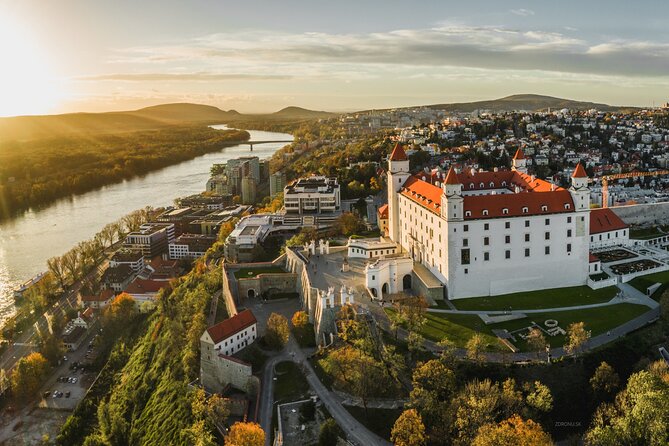
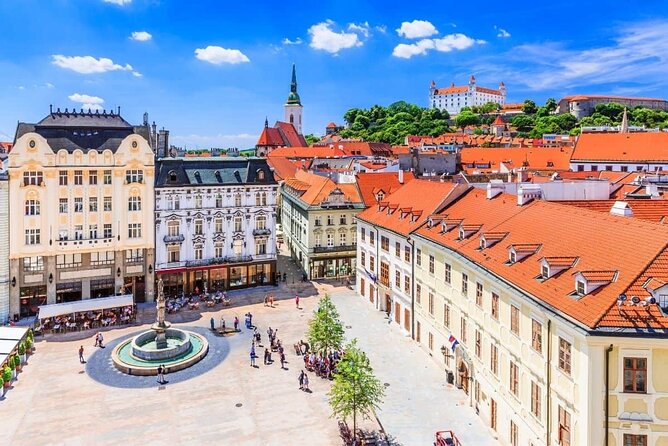
Bratislava is the first overnight base. The next day brings a walk through the Old Town, a look at Michael’s Gate, and a visit to Bratislava Castle, whose hilltop position gives you a broad view over the city and Danube. The castle is included; the Old Town and gate are listed without included admission. You also get free time for a café, a sensible pause in a trip that keeps moving.
On Day 3, the route enters Hungary via Győr, a compact city known for baroque buildings and churches. The schedule includes the Town Hall, the Cathedral of the Virgin Mary, the synagogue, and Baross Gábor pedestrian street. It is a good change of pace from capital-city touring, though the one-hour visits mean this is an introduction rather than a long exploration. Budapest follows, with an overnight stay.
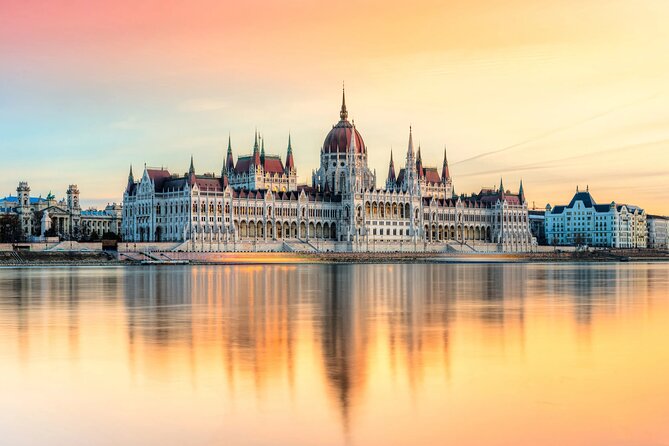
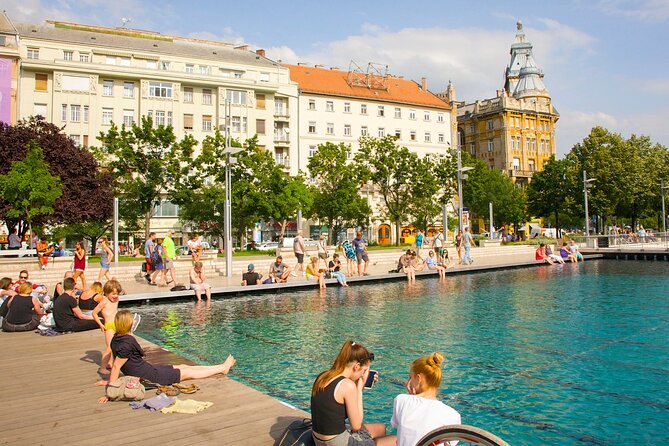
Budapest gets a guided overview on Day 4: St. Stephen’s Basilica, major boulevards and landmarks, Fisherman’s Bastion, and Buda Castle. The city’s split between Buda and Pest, with the Danube running between them, makes it especially rewarding to see from more than one side. The planned sightseeing time is limited, so use the free evening to choose what matters most to you. The basilica is listed as included; check which other site entries are covered.
More private tours in Vienna:
- Vienna: Private Walking Tour with a Local Guide
★ 4.6 · 1,420 reviews - Vienna: Private Walking Tour with a Guide
★ 4.7 · 962 reviews - Vienna: Wine Tasting Experience in a Private Wine Cellar
★ 4.8 · 413 reviews
Serbia’s towns and Sarajevo’s layered streets
The route crosses into Serbia for Subotica, a city shaped by its Austro-Hungarian past. Its City Hall, colorful architecture, cathedral, and synagogue give the stop a distinct look from the Balkan towns farther south. You have time to walk around and eat locally, but the schedule is brief. Treat it as a useful taste of the city, not a full visit.
Novi Sad follows, with a walking tour through its pedestrian streets and a look toward Petrovaradin Fortress, nicknamed the Gibraltar on the Danube. The next day, Sremski Karlovci offers a quieter interlude. Its baroque center and wine-cellar tradition make it one of the route’s more intimate stops. There is time to taste regional wines, though tastings and purchases should be budgeted separately unless confirmed otherwise.
Belgrade’s fortress and Kalemegdan Park sit at the meeting point of the Sava and Danube rivers. The walk continues along Knez Mihailova toward Republic Square. Later, the drive to Bosnia and Herzegovina pauses in Zvornik for lunch and a short look around. This is a day of contrasts: a major capital followed by a smaller riverside town.
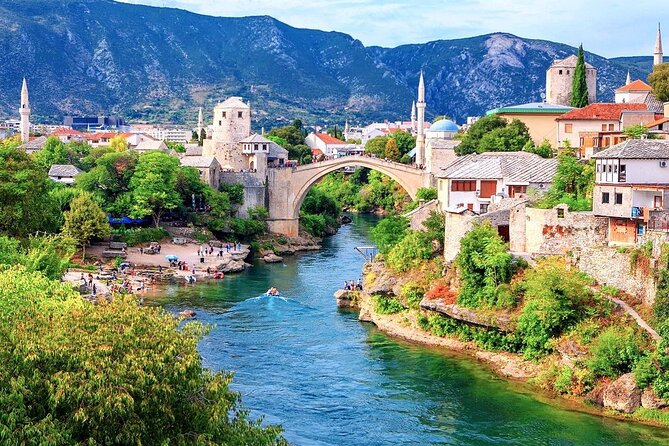
Sarajevo deserves more than a checkbox. The tour introduces the Ottoman and Austro-Hungarian quarters, with mosques, churches, synagogues, markets, and reminders of the 1990s war still visible in the city’s damaged buildings. You also visit Latin Bridge, where the assassination of Archduke Franz Ferdinand helped trigger World War I. The route notes uneven terrain, so wear shoes that can handle cobbles and rough paving. The schedule then continues to Mostar, where the Old Bridge and bazaar offer a striking change of setting. With only about an hour listed for the stop, you will need to use free time well if you want to explore beyond the main streets.
Montenegro, Albania, and Kosovo
Kotor’s tightly packed old town is made for wandering. Its narrow lanes were laid out in a way that could confuse intruders, and now they give the center its winding character. The tour includes a look at St. Luke’s Church and leaves the afternoon open. That free time matters here: the town rewards slow walking and unhurried stops.
Budva brings another old-town walk, followed by a photo stop near Sveti Stefan. The island settlement is now an exclusive resort and cannot be visited as part of this stop, so expect a view from the coast rather than an island visit. The day continues into Albania, with a visit to Rozafa Castle above Shkodër. From the fortress, you can look toward the lake and the rivers that flow toward the Adriatic.
The following day brings a farm visit at Mrizi i Zanave, a well-known agro-tourism operation. You hear how the business uses local produce and adapted former communist-era buildings for storage. There is time for lunch or to buy products, but meals and purchases are not included. This is one of the route’s most grounded stops: it connects food with local work rather than treating regional cooking as a menu alone.
Prizren, in Kosovo, pairs a riverside old town with Sinan Pasha Mosque and a hilltop fortress. The mosque’s patterned interior and the view from the fortress give the visit two different kinds of appeal. Gjakova’s old bazaar adds another useful look at local trade and crafts. The schedule also includes the Dečani Monastery, known for its frescoes and for its community of Orthodox monks, then Rahovec’s wine-growing area. These stops make the Kosovo days more than a drive-through.
Kruje, Tirana, and Albania’s food culture

Kruje is a key stop for Albanian history and craft shopping. The old bazaar runs through narrow streets lined with wooden houses, while the castle recalls the city’s role in resisting Ottoman expansion. The tour leader takes you along paths once used to leave the castle unseen. You have free time for lunch and shopping, but the short visit means you will need to choose between browsing the bazaar and lingering at the castle.
Tirana’s food-focused day is the best match for anyone drawn to the tour’s culinary promise. With a local companion, you start with byrek, a filled pastry, then visit markets and neighborhoods, sample dessert, and stop for Albanian coffee. At the New Bazaar, the planned lunch is qofte, grilled meatballs with bread, or bread with gjize, a cottage-style cheese, for vegetarians. Raki is also included in the tasting. The day ends at BUNK’ART 2, a former nuclear bunker turned museum about communist-era Albania. It is a valuable counterpoint to the food stops, offering context for the country’s recent past.
There is a mismatch between the short description of a three-day Albania food experience and the detailed 21-day route. The actual schedule gives Tirana one day focused on food, alongside broader visits across Albania and the Balkans. If food is your main reason for booking, ask the operator to confirm what the three-day wording refers to.
Same city, a different kind of day:
- Vienna: Vivaldi’s Four Seasons Concert in Karlskirche
★ 4.7 · 14,951 reviews - Vienna: Spanish Riding School Training
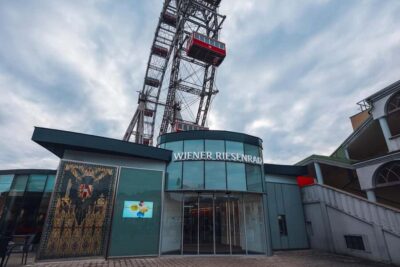
★ 3.9 · 9,281 reviews - Vienna: Skip-the-cashier-desk-line Giant Ferris Wheel Ride
★ 4.5 · 7,859 reviews - Vienna: Schönbrunn Palace & Gardens Skip-the-Line Tour
★ 4.7 · 7,739 reviews
Ohrid, Berat, and the road to Greece
The route returns to North Macedonia via Struga, where you stop by the source of the Drin River. Ohrid follows, with its UNESCO-listed lake and old town, places of worship, and a scenic church viewpoint. The next morning brings St. Naum Monastery, set near the river’s source, followed by a stop in Tushemisht and the green, waterside setting of Drilon National Park. These are some of the route’s gentler days, with water and open space offering a breather from stone streets and long drives.
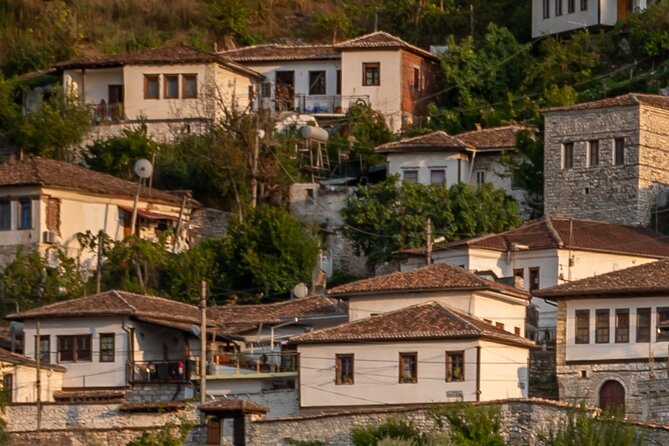
Back in Albania, Berat is known for its hillside houses and many windows. Residents still live within the castle walls, which gives the old fortification an everyday feel rather than making it only a monument. The planned visit is three hours, longer than many stops on the trip, and gives you time to appreciate the town’s churches, mosques, old bridge, and museums.
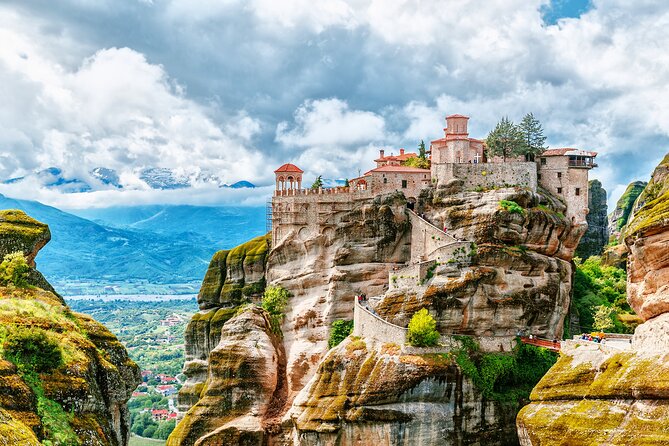
Gjirokastër, the Stone City, is another UNESCO-listed Albanian town. Its steep lanes, bazaar, and fortified houses give it a different character from Berat. The visit includes Skenduli House, described as one of the best-preserved houses in the city, with original interiors. The route then crosses into Greece, stopping in Ioannina for its old town and castle before reaching Meteora for sunset views of the monasteries perched on rock formations. The schedule lists about an hour at each, so check whether monastery interiors are part of your visit or whether the stop is focused on the setting.
On the final day, the tour drops you at your Athens hotel, or at Igoumenitsa Port if you choose the Corfu option. Ferry tickets to Corfu are included for that route. This is a practical distinction to confirm before departure, especially if your onward plans depend on arriving in Athens.
What the price buys, and what it does not
At $7,315.17 per person, this is a substantial purchase. The value comes from having private transport, a tour leader, road costs, tourist taxes, selected entrance tickets, and 20 breakfasts arranged across a complicated, multi-country route. A group capped at 10 can also make border crossings and day-to-day coordination easier than managing the same route independently.
The accommodation details need special attention. The tour information says prices are calculated for double, twin, triple, or quadruple room occupancy in three-star hotels, but the listed inclusions do not clearly name hotel accommodation. Before booking, confirm that lodging is included in the quoted price, what room arrangement applies, and whether there are single-room supplements.
Lunches, dinners, drinks, and snacks are excluded. That gives you freedom to pick local cafés and restaurants, but it also means the total cost will rise beyond the headline price. The few available ratings are all five stars, and the written comments praise the smooth organization, accommodations, plentiful food, and wine. One names tour leader Sokol as especially helpful. That is encouraging, but three ratings are a small sample, not a guarantee of the same guide or experience.
The tour is non-refundable and cannot be amended, according to its terms. It also requires a moderate level of fitness, and the walking includes uneven terrain. With many short stops and country changes, this is best for someone who enjoys variety and can tolerate time in a vehicle. It is less suited to a traveler who wants several unplanned days in each city.
Should you book this Vienna-to-Athens route?
Book it if you want a long, organized introduction to Central Europe and the Balkans, value a small group, and like the idea of moving from wine towns to old capitals, bazaars, monasteries, and regional food. The Tirana tasting day, Ohrid, Sarajevo, Mostar, and Meteora give the route memorable variety.
Hold off until the operator resolves the three-day versus 21-day description and confirms hotel coverage, room basis, and the exact final drop-off you want. If those details match your plans and you are comfortable with a fast-moving schedule, this trip offers a lot of geography and cultural variety in one continuous journey.
FAQ
How long is the tour?
The detailed schedule covers 21 days, starting in Vienna and ending in Athens or at Igoumenitsa Port for the Corfu ferry.
How many people can join?
The group maximum is 10 travelers.
What time does the tour start?
The listed start time is 11:00 a.m. in Vienna.
Is hotel pickup offered?
Yes. Pickup is offered, and the first day describes pickup at your hotel in Vienna.
Which meals are included?
Twenty breakfasts are included. Lunches, dinners, drinks, and snacks are not included.
Is transport included?
Yes. The package includes private transport, international car insurance, road taxes, and petrol.
Is the tour suitable for every fitness level?
The stated requirement is a moderate level of physical fitness. The route includes walking on uneven terrain, including during the Sarajevo visit.
Where does the tour end?
You can be dropped off at a hotel in Athens. An alternative is drop-off at Igoumenitsa Port, with ferry tickets to Corfu included.
Does the route include Albania food tastings?
The Tirana day includes byrek, Albanian coffee, qofte or a vegetarian bread-and-gjize option, and raki. The schedule also includes a visit to an agro-tourism farm, where you can have lunch or buy local products at your own cost.
Newest tours in Vienna
- Vienna: Mozart Private Guided Tour★ 5.0 · 4 reviews
- Vienna: ‘Armenia In The Heart Of Austria’ Tour★ 5.0 · 6 reviews
- Vienna: Klimt Villa (Gustav Klimt Atelier & Museum) Ticket★ 4.7 · 50 reviews
- Vienna: Kunsthistorisches Museum Guided Tour incl. admission★ 4.9 · 32 reviews
- Vienna: Luxury Vintage Fashion Walking Tour★ 3.4 · 8 reviews
- Vienna: Johann Strauss – Immersive Audiovisual Experience Ticket★ 4.8 · 60 reviews
- Vienna: Kingdom of Railways Museum Entry Ticket★ 3.6 · 50 reviews
- Vienna: KuK Perfumery Filz – Viennese Perfume Tasting★ 4.3 · 23 reviews
Vienna Tours, compared.
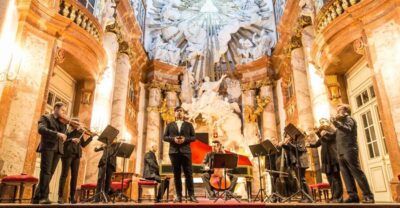
Vivaldi’s Four Seasons Concert in Karlskirche
Read our review →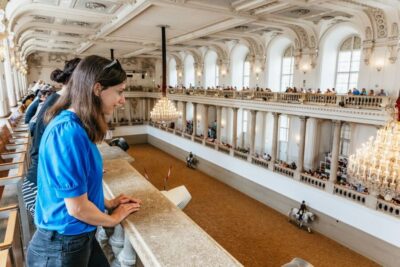
Skip-the-cashier-desk-line Giant Ferris Wheel Ride
Read our review →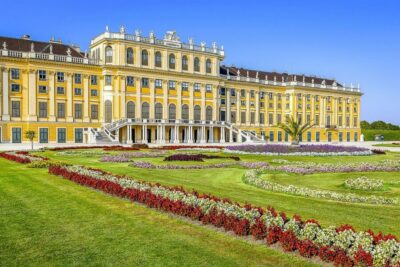
Schönbrunn Palace & Gardens Skip-the-Line Tour
Read our review →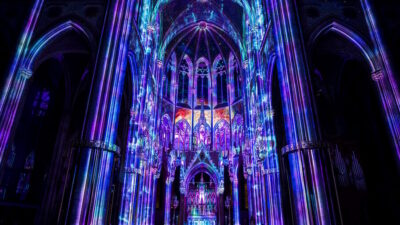
Light of Creation Votive Church Immersive Light Show
Read our review →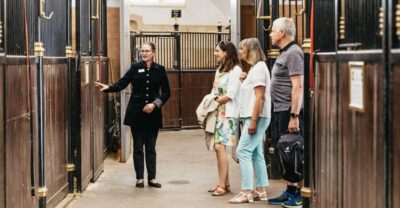
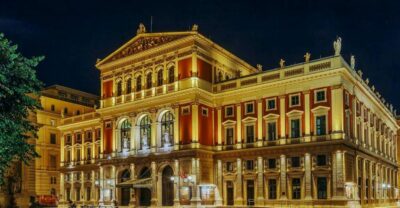
Classical Concert in the World-Famous Musikverein
Read our review →